Activism & Politics

Organizers, politicians, and movement builders who fought for justice and changed systems.

45 entries

Scroll to see where you are.

Haiti

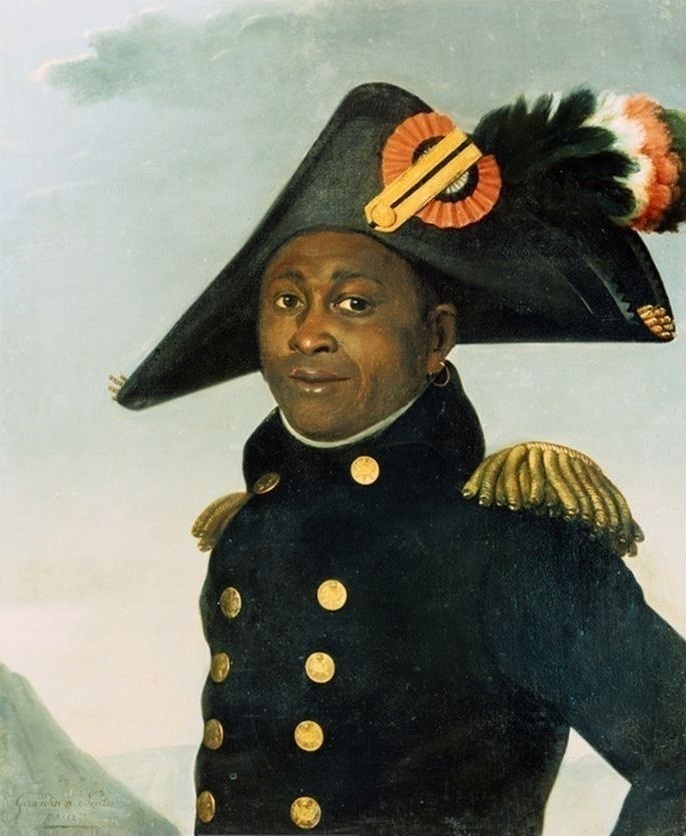
Toussaint Louverture

Toussaint Louverture rose from captivity on Saint-Domingue plantations to command revolutionary armies after 1791, stitching together formerly enslaved fighters, gens de couleur, and tactical alliances against Spanish and British invasions while keeping France guessing about final sovereignty. His campaigns secured abolition on the ground years before Paris reconciled itself to the fact.


By 1801 he governed the colony as de facto head of state, promulgating a constitution that asserted autonomy while still naming France—an ambiguity Napoleon answered with invasion.


French capture in 1802 and his death in custody did not roll back emancipation; Jean-Jacques Dessalines declared independence in 1804, making Haiti the hemisphere’s second independent nation and the first to abolish slavery in its founding law—proof that Black military and civic leadership could defeat the leading empires of the age even as Europe tried to quarantine the example.
Saint-Domingue / France

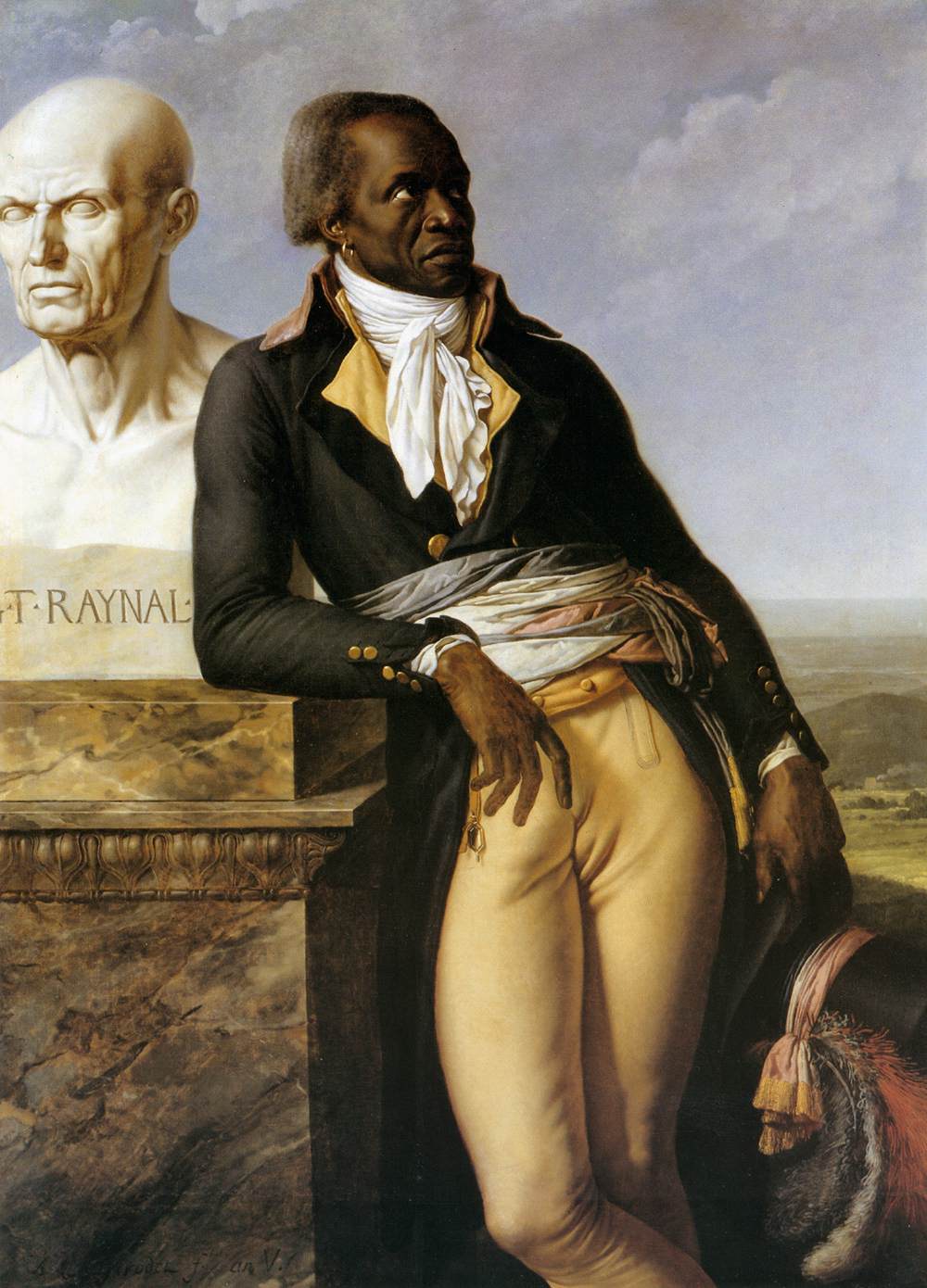
Jean-Baptiste Belley

Belley was a formerly enslaved man born in Senegal who was elected to the French National Convention in 1793 as one of three deputies from Saint-Domingue and the first Black man to sit in a European legislative body. He voted for the law of 16 Pluviôse (February 4, 1794) abolishing slavery in all French colonies - a vote in which he was one of only a handful of deputies with direct personal experience of enslavement. The abolition was reversed by Napoleon in 1802; Belley was imprisoned and died in captivity in 1805.


His election and his vote document that the French revolutionary institutions produced a moment of formal Black political inclusion that was deliberately reversed within a decade, establishing the pattern of formal emancipation followed by re-enslavement or its functional equivalent that would repeat in different forms throughout the Atlantic world.

USA

Sojourner Truth

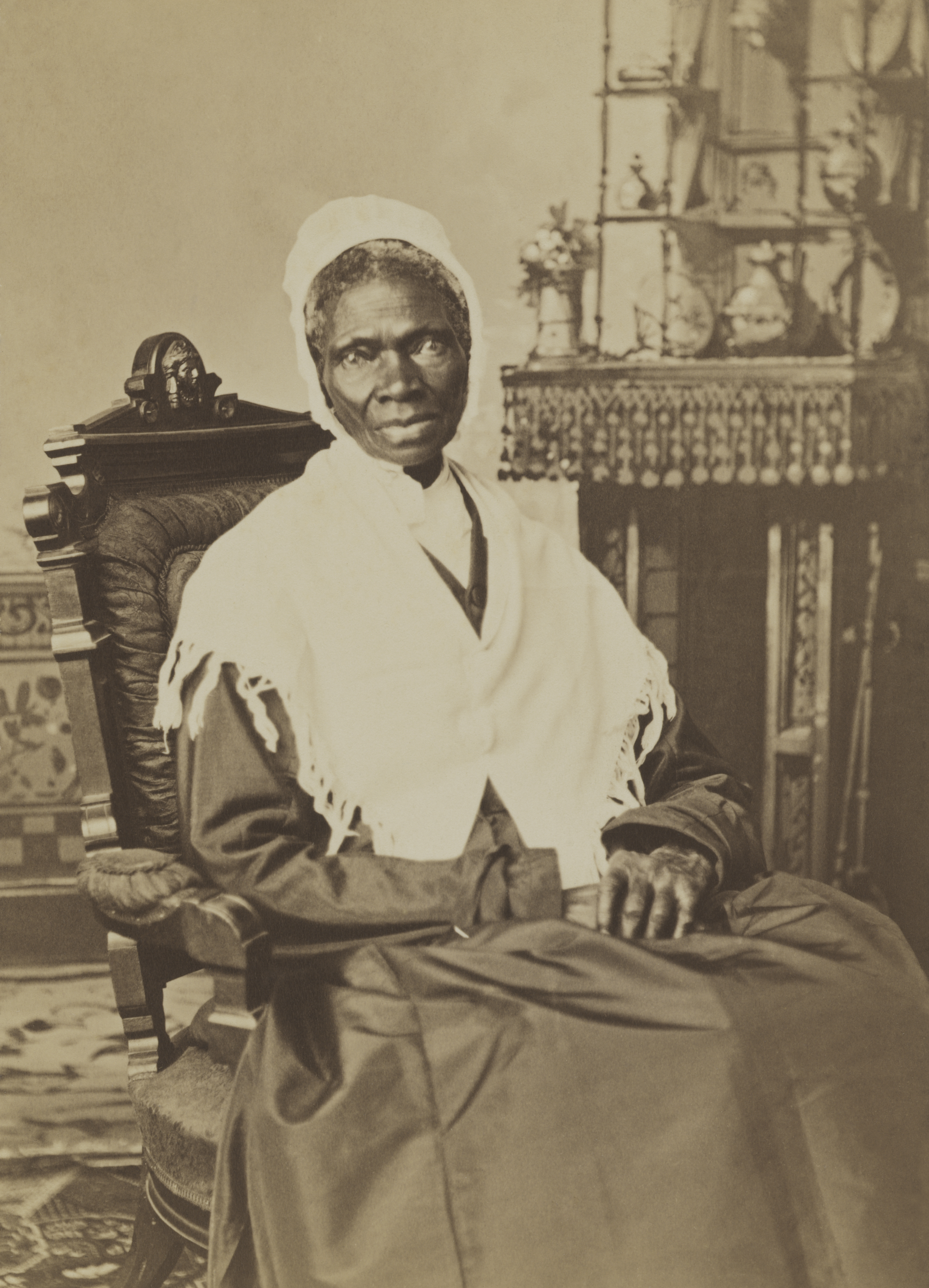
Truth escaped enslavement in 1826, successfully sued in New York courts for the return of her son Peter - who had been illegally sold to Alabama - in 1828, and became one of the most effective abolitionist orators of the antebellum period. Her “Ain’t I a Woman?” speech at the 1851 Women’s Rights Convention in Akron, Ohio, as reported by Frances Gage, challenged the suffrage movement’s equation of “woman” with white women, an exclusion that Truth named publicly from within the movement.


She dictated (being unable to write) her autobiography, “The Narrative of Sojourner Truth” (1850), to Olive Gilbert. During the Civil War she recruited Black troops for the Union Army and met with President Lincoln. Her legal action to recover her son was the first documented civil rights lawsuit brought by a Black woman in American courts.

USA

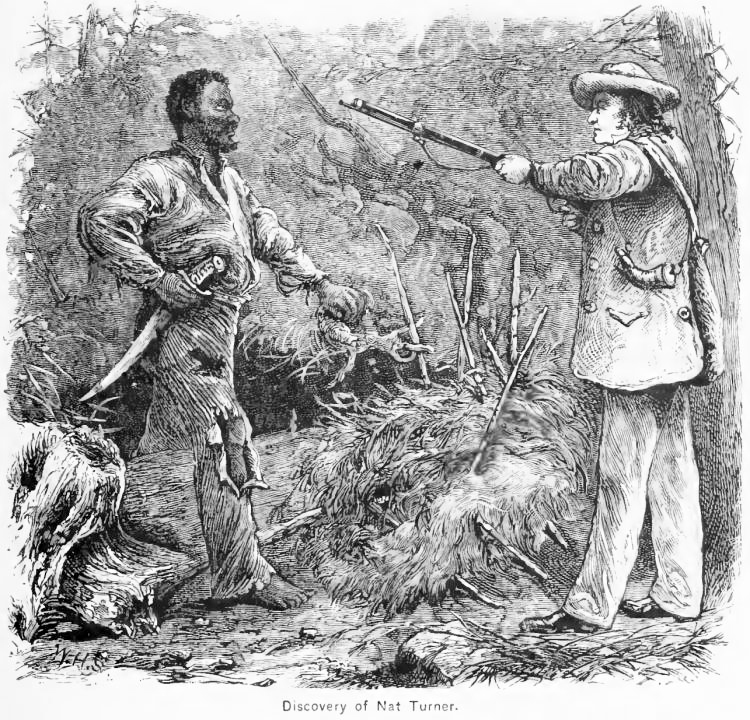
Nat Turner

Turner led an insurrection in Southampton County, Virginia, in August 1831 in which fifty-five white people were killed (the most lethal slave revolt in the history of the USA). Turner had organized a small group of trusted men and acted on what he described as divine instruction. He was captured after two months in hiding, tried, and hanged.


The legislative response in Virginia and across the South included bans on Black literacy, restrictions on Black religious assembly, and the expulsion of free Black people from several states. The Virginia legislature debated gradual emancipation in the immediate aftermath, an acknowledgment that Turner’s action had changed the political calculus, before rejecting it and moving instead to intensify the legal apparatus of control. His “Confessions,” as recorded by Thomas Gray, remains the primary documentary source for his account of the uprising.

USA

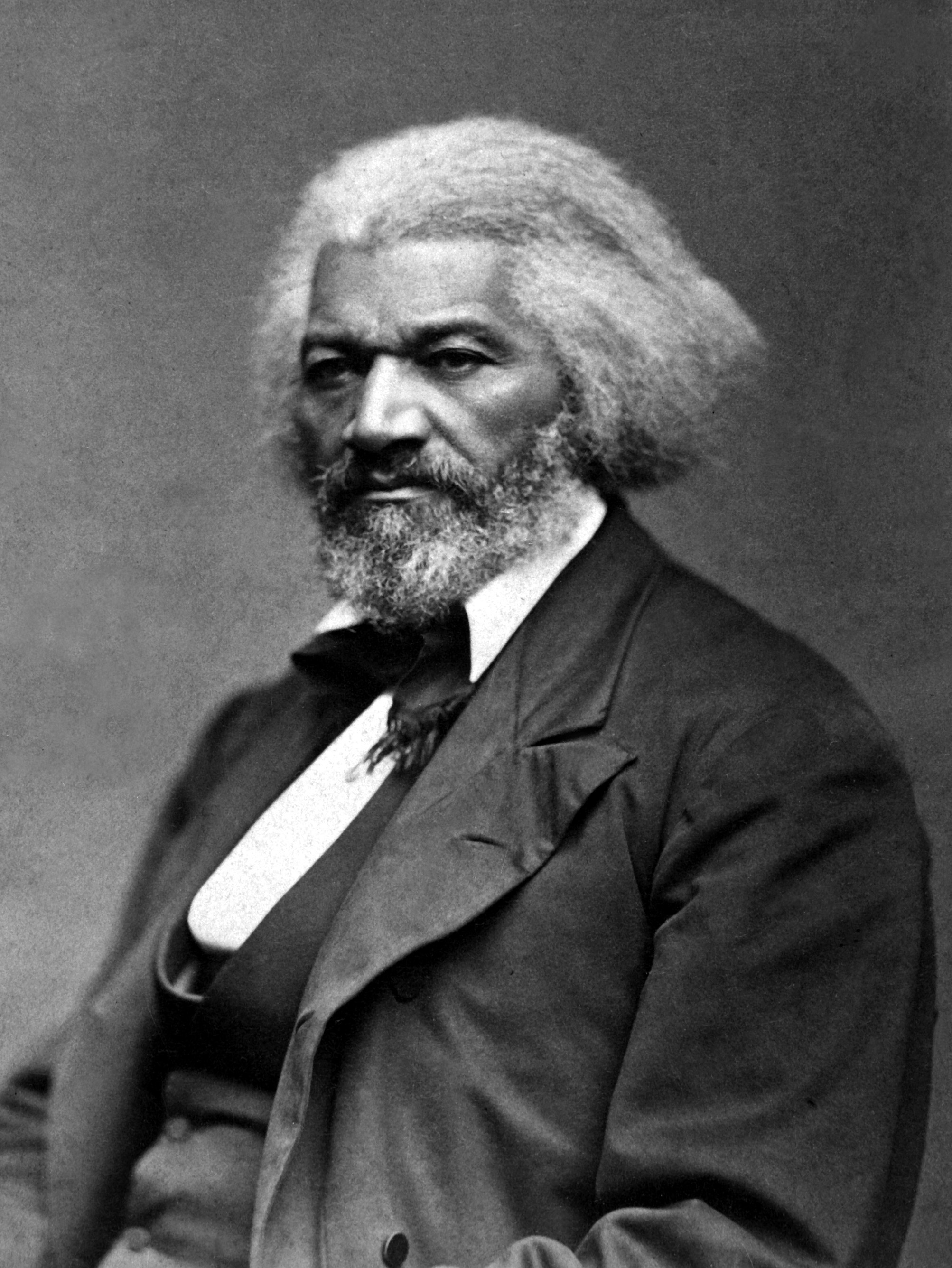
Frederick Douglass

Douglass escaped enslavement in 1838 and became the most prominent Black abolitionist in the United States and internationally, publishing his autobiography (1845), founding the North Star newspaper (1847), and advising President Lincoln on the strategic importance of enlisting Black soldiers. He supported the Republican Party during Reconstruction and was appointed U.S. Marshal for the District of Columbia (1877) and Recorder of Deeds for D.C. (1881), and Minister/Consul General to Haiti (1889–1891).


In his later years he publicly criticized the Republican Party’s abandonment of Black Southerners after the Compromise of 1877, writing that the party had sold Black people’s political rights to secure the presidency. His autobiography went through three substantially expanded editions across his lifetime, each adding political analysis that his earlier position had not permitted him to publish.

USA

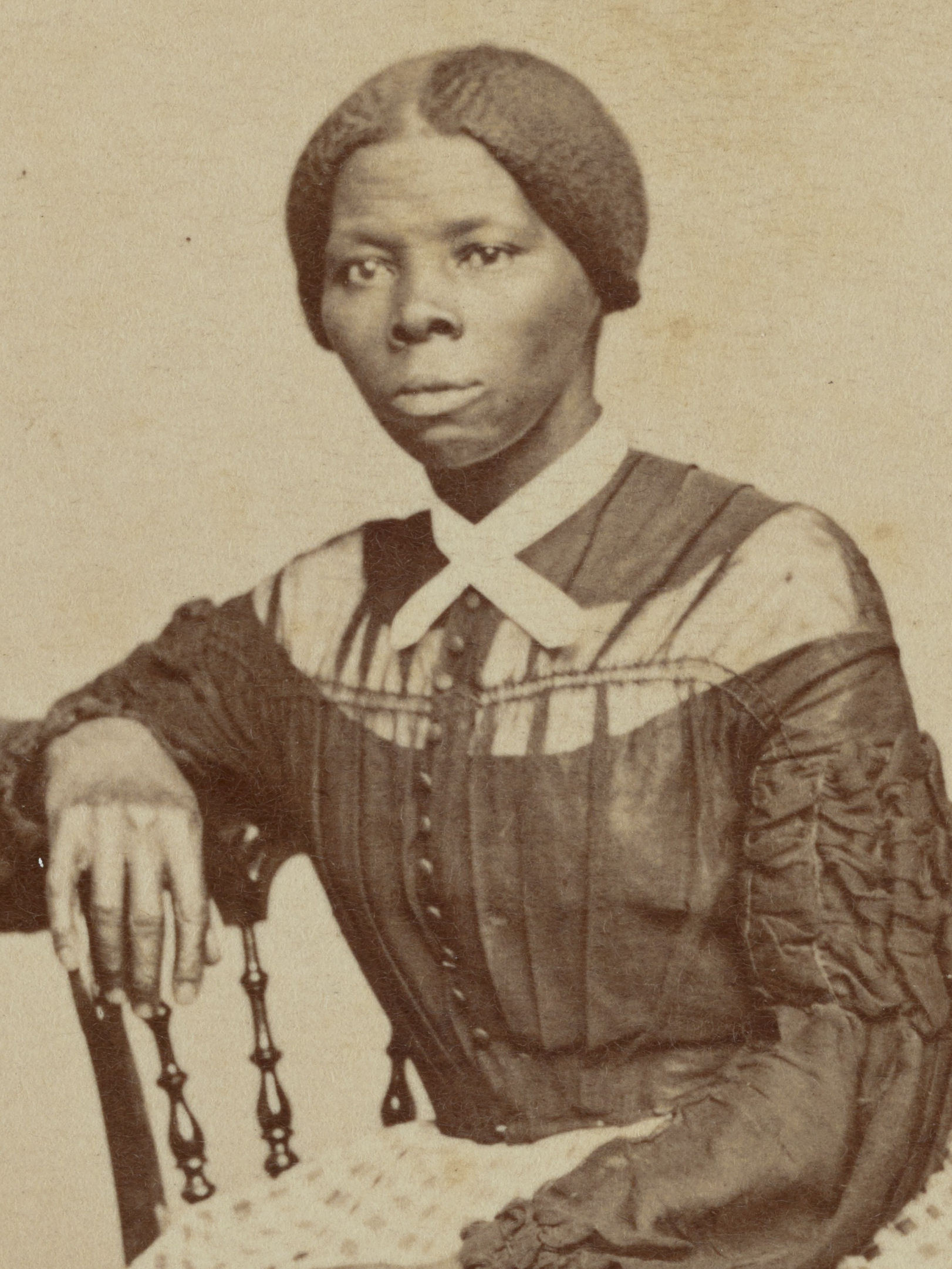
Harriet Tubman

Tubman escaped enslavement in Maryland in 1849 and made approximately thirteen subsequent trips back into slave territory to liberate approximately seventy other enslaved people via the Underground Railroad - a network of safe houses and routes whose operation constituted a systematic violation of federal law under the Fugitive Slave Act of 1850. During the Civil War she served the Union Army as a spy and scout, and in June 1863 she guided Colonel James Montgomery’s raid on the Combahee River in South Carolina, which liberated approximately 700 enslaved people - the only military operation in American history planned and led by a woman.


Congress authorized a pension for her in 1899, thirty-four years after the war’s end; she had been denied it repeatedly in the interim. The Treasury Department announced in 2016 that her image would replace Andrew Jackson on the $20 bill; the change was delayed by the Trump administration and remains pending as of 2026.

USA

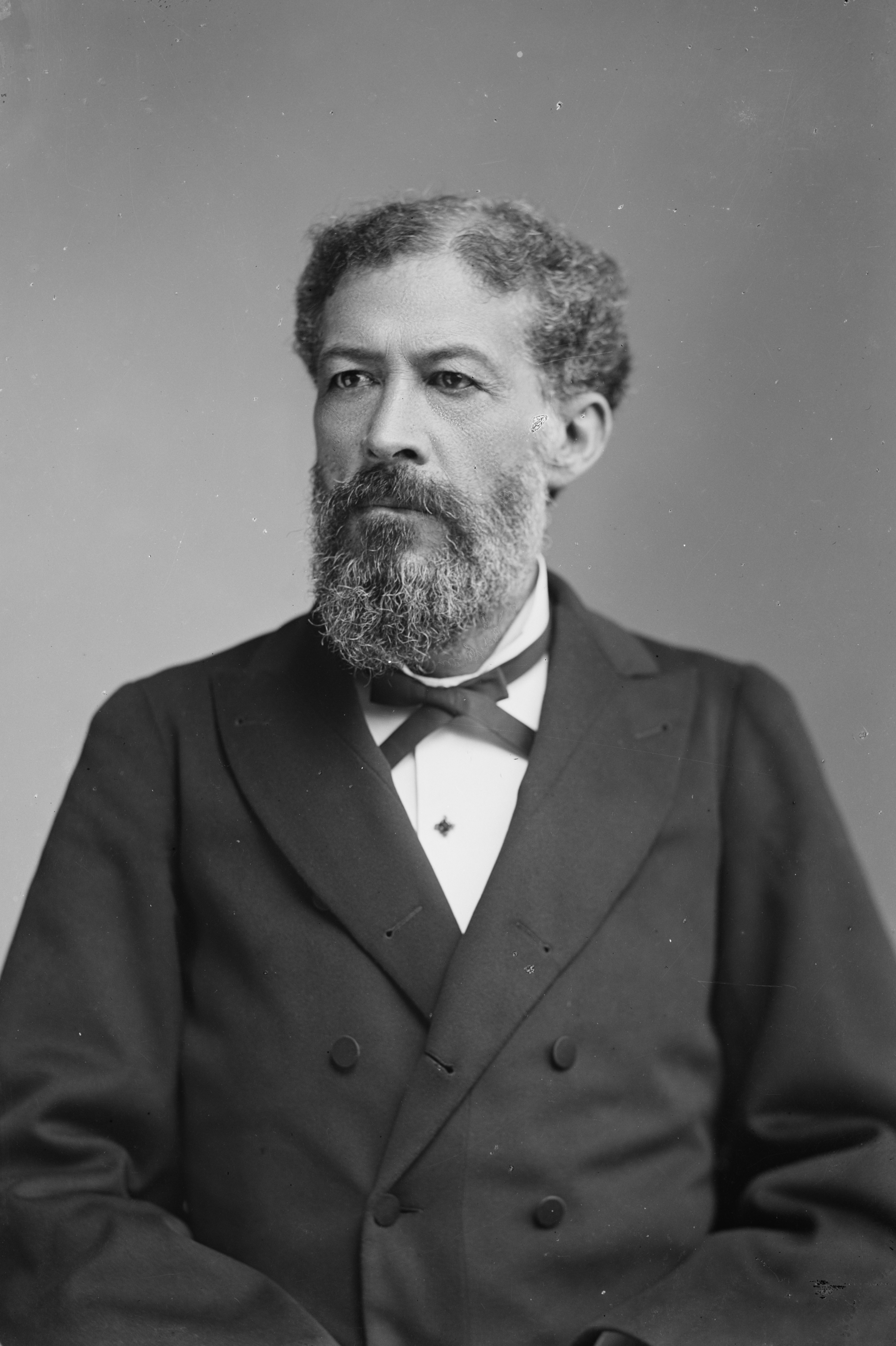
John Mercer Langston

Langston was elected town clerk of Brownhelm Township, Ohio in 1855, documented as the first Black American elected to public office in the United States. He served as dean of Howard University’s law school, helped recruit Black regiments for the Union Army during the Civil War, and was elected to Congress from Virginia in 1890 - a seat he won after the Virginia legislature’s attempt to have his opponent declared the winner was overturned by the House.


He served only the final months of the term after the seating dispute delayed his entry; the structural use of post-election legal challenges to prevent Black electoral victories from taking effect was a documented feature of post-Reconstruction Southern politics.

USA

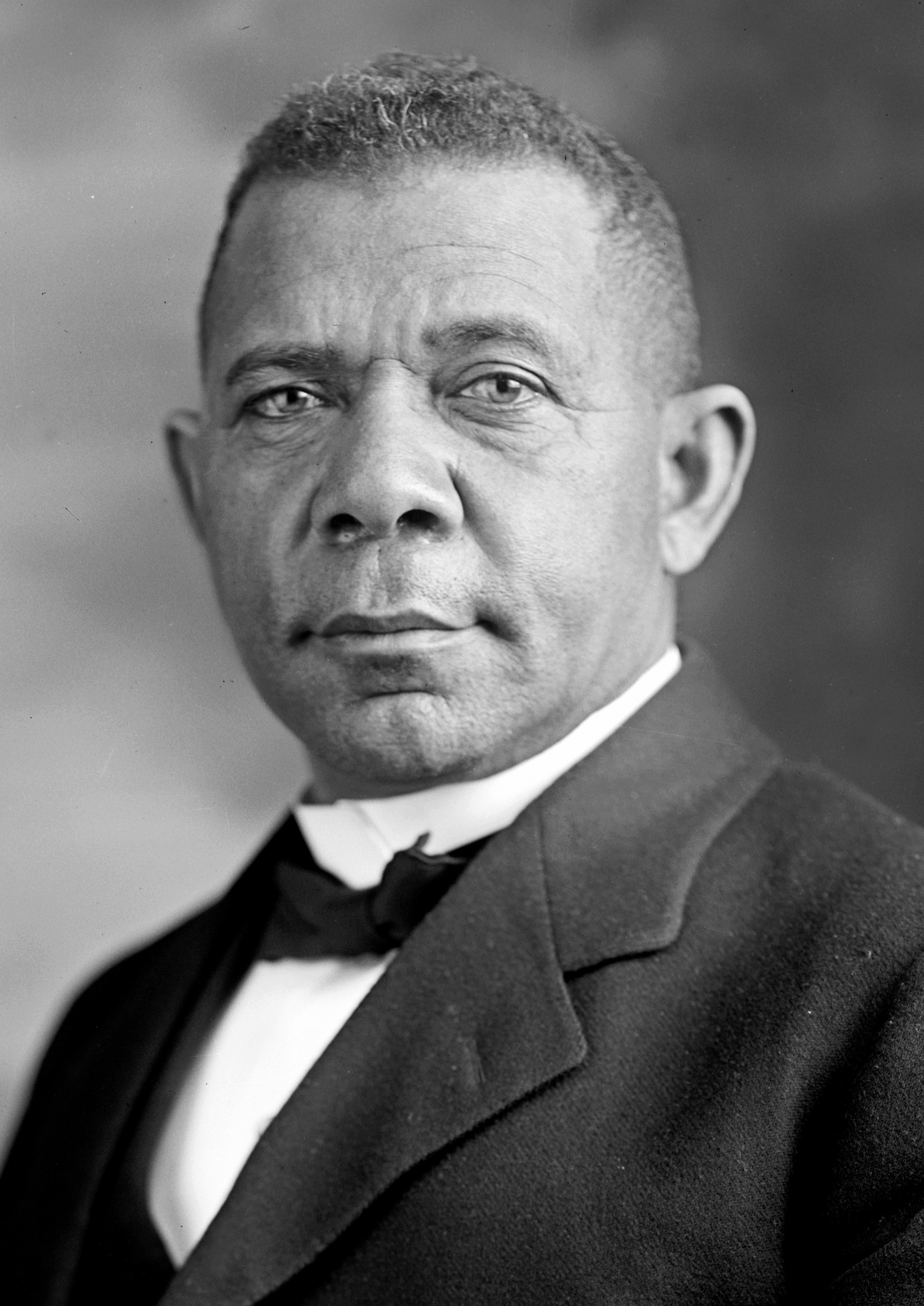
Booker T. Washington

Washington’s 1895 Atlanta Compromise speech, in which he accepted political disenfranchisement and social segregation in exchange for economic opportunity, became the dominant framework for Black civic strategy in the South for two decades (a position that has been framed both as pragmatic accommodation under conditions of racial terror and as a capitulation that legitimized segregation).


He controlled the “Tuskegee Machine,” a network of patronage, press relationships, and political influence that shaped Black political appointments and public funding during the Roosevelt and Taft administrations. He simultaneously funded and directed legal challenges to disenfranchisement and peonage laws under his own name, challenging the publicly accommodationist position with private legal action (a documented contradiction between his public political stance and private organizing activity). His death in 1915 preceded the Great Migration and the political realignments that would render the Atlanta Compromise framework obsolete.

USA

Ida B. Wells

Wells conducted systematic investigative journalism on lynching in the United States beginning in 1892, publishing “Southern Horrors: Lynch Law in All Its Phases” (1892) and “A Red Record” (1895), which documented that lynching was used as a mechanism of political and economic control rather than as a response to crime. Her Memphis newspaper office was destroyed by a white mob in 1892 after she published an editorial challenging the rape-accusation justification for lynching; she was run out of Memphis under threat of death.


She was excluded from the planning committee of the NAACP at its 1909 founding despite having done more than any other individual to create the political conditions for its existence (an exclusion that reflected both racial and gender politics within the reform movement). Her anti-lynching campaign influenced federal legislation proposed repeatedly between 1900 and 1950 that the Senate refused to pass, with Southern senators filibustering anti-lynching bills at least seven times.

USA

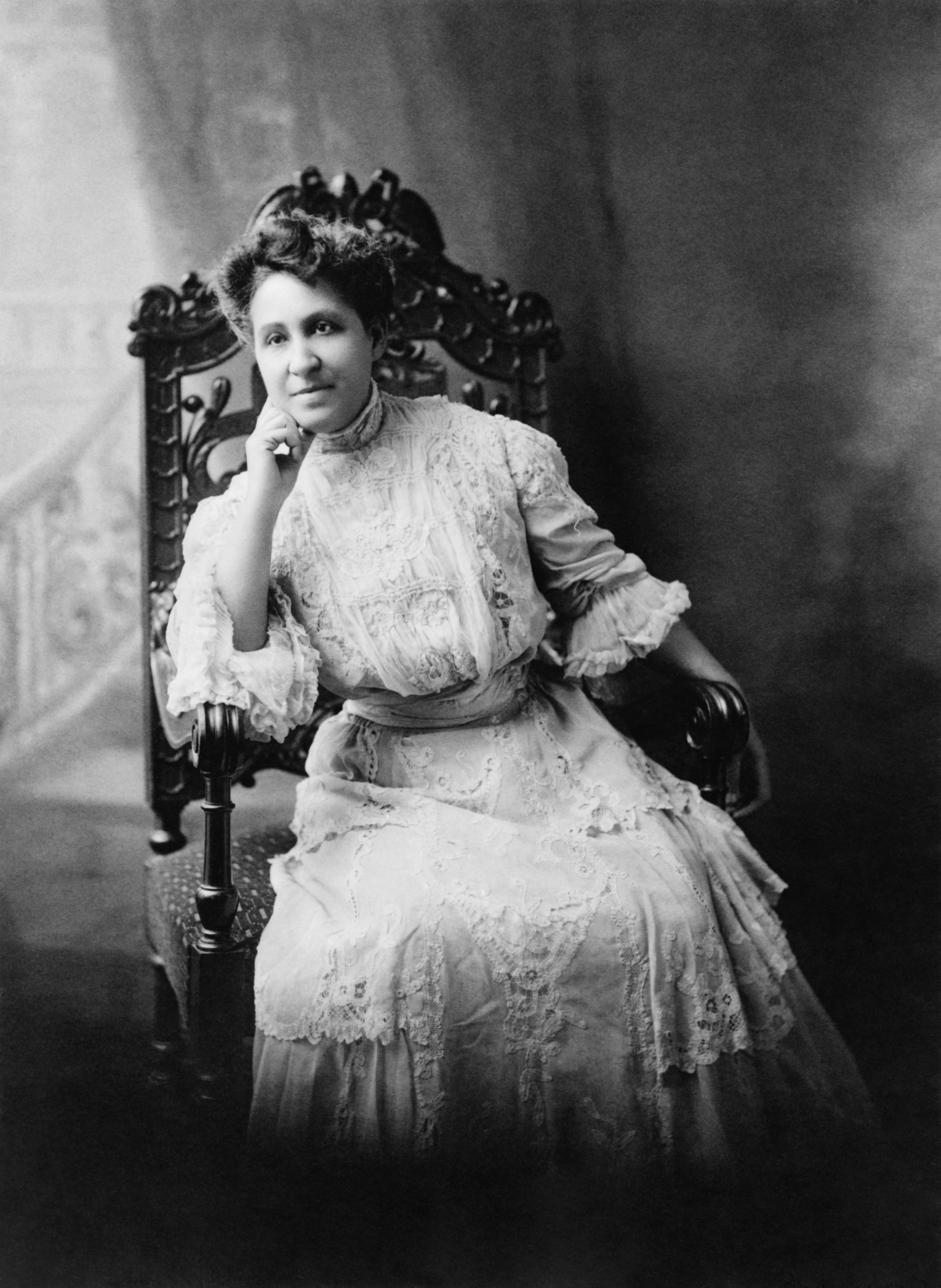
Mary Church Terrell

Terrell co-founded the National Association of Colored Women (NACW) in 1896 and led it through a period in which Black women built parallel civic institutions - clubs, schools, hospitals, and mutual aid organizations - that the white civic infrastructure excluded them from. The NACW’s motto, “Lifting as We Climb,” reflected a civic philosophy of collective advancement through institutional building. Terrell, at age eighty-six, was a plaintiff in the case that desegregated Washington D.C. restaurants under the Reconstruction-era Civil Rights Act of 1872, a law that had never been repealed: District of Columbia v. John R. Thompson Co. (1953).


Her life’s work spanned from the era of Reconstruction to the eve of Brown v. Board of Education, documenting the continuity of Black women’s civic organizing across a period during which formal political participation was largely denied.

USA

Mary McLeod Bethune

Bethune founded the National Council of Negro Women in 1935 and served as director of the Division of Negro Affairs in the National Youth Administration under Roosevelt - the highest federal position held by a Black woman to that date. She was part of Roosevelt’s “Black Cabinet,” an informal group of Black federal advisors whose existence was never formally acknowledged by the administration. She attended the founding conference of the United Nations in 1945 as an observer for the NAACP - one of the few Black women present at the creation of the postwar international order.


The Black Cabinet’s influence on New Deal policy was constrained by the political need to maintain Southern Democratic support for the Roosevelt coalition; the structural limit of advisory roles without legislative power was a condition Bethune navigated throughout her federal service.

Saint Ann''s Bay, Jamaica

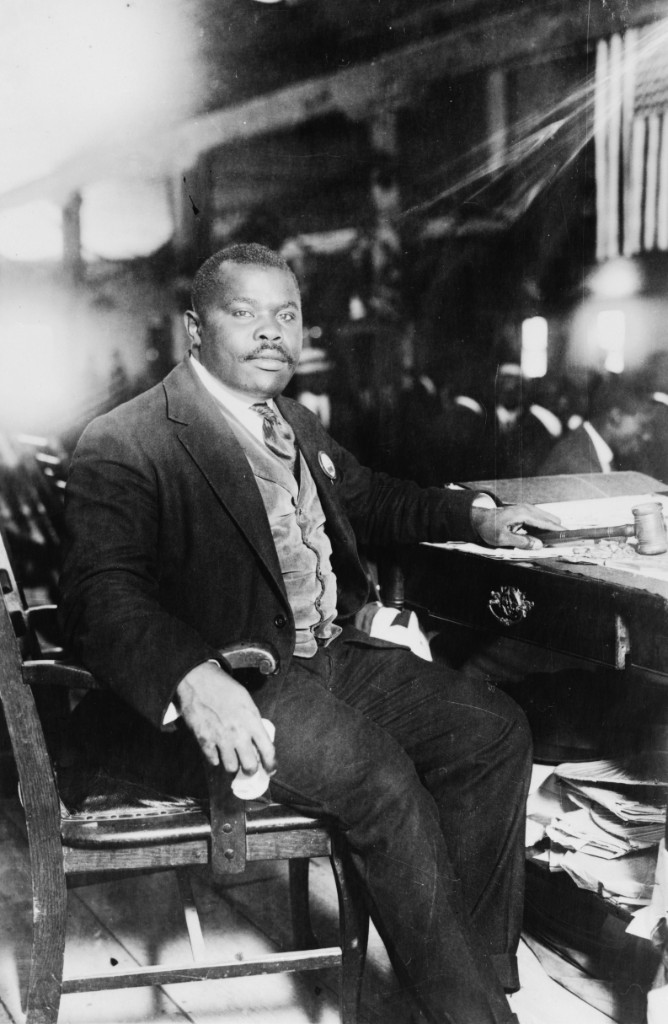
Marcus Garvey

Garvey founded the Universal Negro Improvement Association in Jamaica in 1914 and built it into the largest Black mass organization in history, with chapters across the United States, the Caribbean, Central America, and Africa by the early 1920s, claiming four million members. His political program (Black economic self-determination, Pan-African solidarity, and return to Africa) represented the most significant Black nationalist political movement of the twentieth century.


The U.S. government under J. Edgar Hoover surveilled him from 1919; he was prosecuted for mail fraud in 1923 in a prosecution critics documented as politically motivated; he was convicted, imprisoned, and deported to Jamaica in 1927. His ideas directly influenced Kwame Nkrumah, Nelson Mandela, Malcolm X, and the Rastafarian movement. The political organization he built was destroyed by his imprisonment and deportation; no successor organization achieved equivalent scale.


Marcus Garvey developed a theological framework in which pan-Africanism was not merely a political but a cosmological programme — arguing in speeches and writings that Black people were a divinely chosen people whose redemption required the physical and spiritual reclamation of Africa. His instruction “Look to Africa for the crowning of a Black King; he shall be the Redeemer” was interpreted as prophecy by Leonard Howell and others who identified Haile Selassie’s 1930 coronation as its fulfilment, directly generating the cosmological framework of Rastafari. Garvey’s theological synthesis — drawing on Ethiopian cosmology (the Ethiopia of Psalms 68:31), Black nationalism, and redemptive history — constituted an original contribution to Black diasporic religious thought that shaped the entire 20th century of African and Caribbean cosmology.

USA

Charles Hamilton Houston

Houston served as vice dean and then dean of Howard University School of Law from 1929 to 1935, transforming it into an accredited institution and deliberately training lawyers for the specific purpose of dismantling the legal machinery of segregation. His strategy - which he called “social engineering” - involved identifying the weakest points in the Plessy v. Ferguson “separate but equal” doctrine and building a sequence of cases that would establish precedents sufficient to overturn it.


He personally argued cases before the Supreme Court challenging inequality in education and transportation. He died in 1950 before Brown v. Board of Education was decided; Thurgood Marshall, whom he trained, argued the case. Marshall said: “We wouldn’t have been anyplace without Charlie Houston.” Houston’s deliberate, two-decade legal campaign is the structural basis for Brown; the decision did not emerge spontaneously from judicial conscience but from planned legal strategy.
South Africa

Albert Luthuli

Luthuli served as president of the African National Congress from 1952 to 1967 and was awarded the Nobel Peace Prize in 1960 (the first African to receive it) for his nonviolent resistance to apartheid. The apartheid government refused him a passport to travel to Oslo to receive the prize; he was given a ten-day exit permit.


He was banned repeatedly by the South African government, which restricted his movement to his farm in Groutville. His commitment to nonviolent resistance was superseded within the ANC by the decision to form Umkhonto we Sizwe in 1961, a decision Mandela and others made partly because Luthuli’s nonviolent strategy had not produced change. He died in 1967, hit by a train near his farm in circumstances that were never fully investigated; sabotage was suspected by ANC contemporaries but not established.

USA

Ella Baker

Baker served as director of branches of the NAACP, executive director of the SCLC, and organizing mentor of SNCC, consistently prioritizing local organizing and collective leadership over charismatic individual leadership (a structural philosophy she maintained against SCLC’s male hierarchical model). She argued that movements sustained by individual charisma rather than organized constituencies were structurally fragile: “Strong people don’t need strong leaders.” Her insistence that SNCC remain autonomous from SCLC’s control was a political intervention in the structure of the civil rights movement.


She has received substantially less institutional recognition than the male leaders of the organizations she built, a disparity that multiple scholars have documented as a function of gender as well as generational politics within the movement.

USA

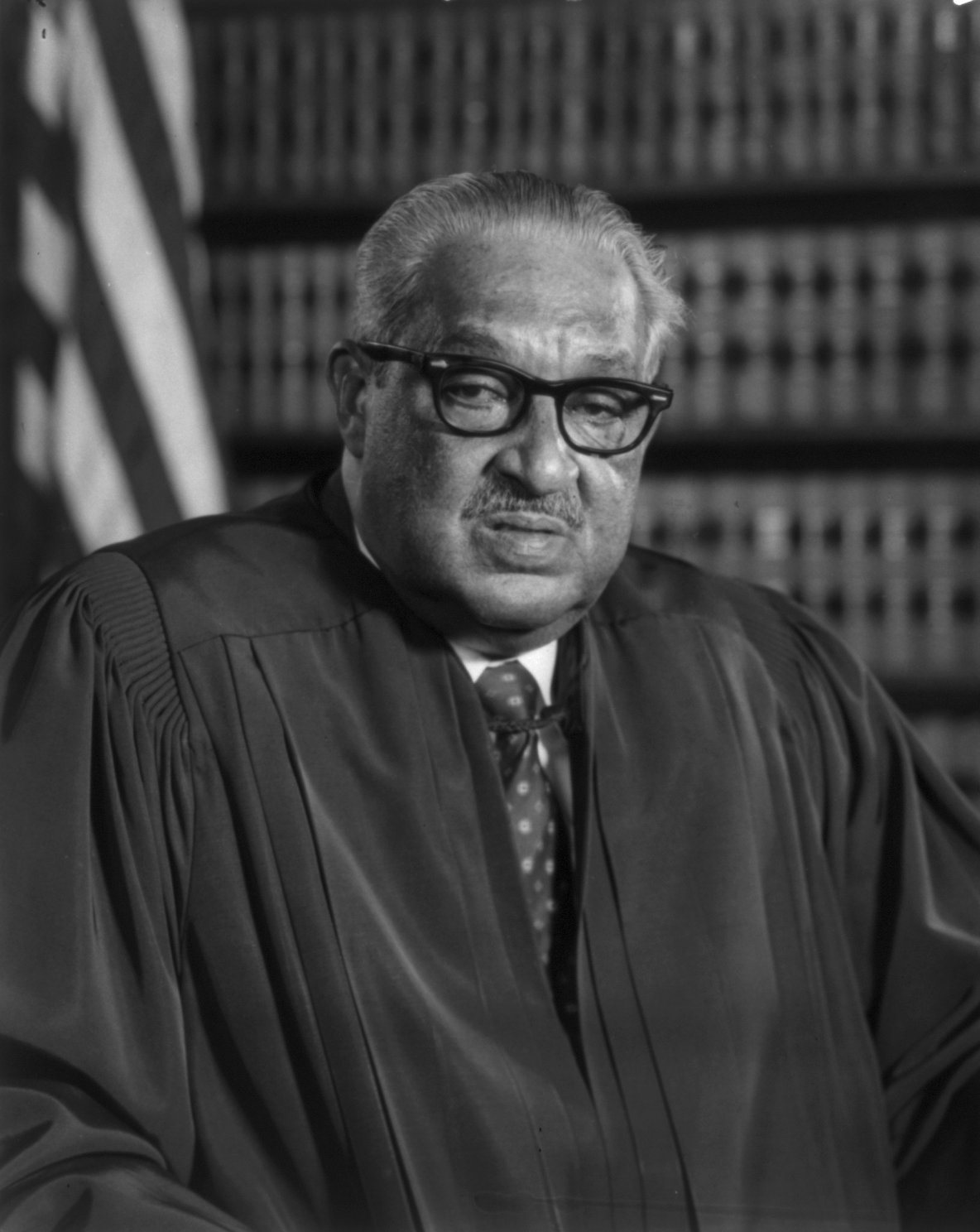
Thurgood Marshall

Marshall served as director-counsel of the NAACP Legal Defense Fund from 1940 to 1961, personally arguing thirty-two cases before the Supreme Court and winning twenty-nine. The capstone was Brown v. Board of Education (1954), which overturned Plessy v. Ferguson’s “separate but equal” doctrine. He was appointed to the U.S. Court of Appeals for the Second Circuit by Kennedy in 1961, as Solicitor General by Johnson in 1965, and as Associate Justice of the Supreme Court in 1967 (the first Black justice).


His dissents in Regents of the University of California v. Bakke (1978), City of Memphis v. Greene (1981), and McCleskey v. Kemp (1987) document a consistent position: that the Court’s jurisprudence was systematically failing to enforce the constitutional rights its rulings nominally protected. His dissent in McCleskey (in which the Court declined to find racial discrimination in the application of the death penalty despite documented statistical evidence) stated that the majority’s reasoning “reduces to a fear that too many applications would have to be remedied.”

USA

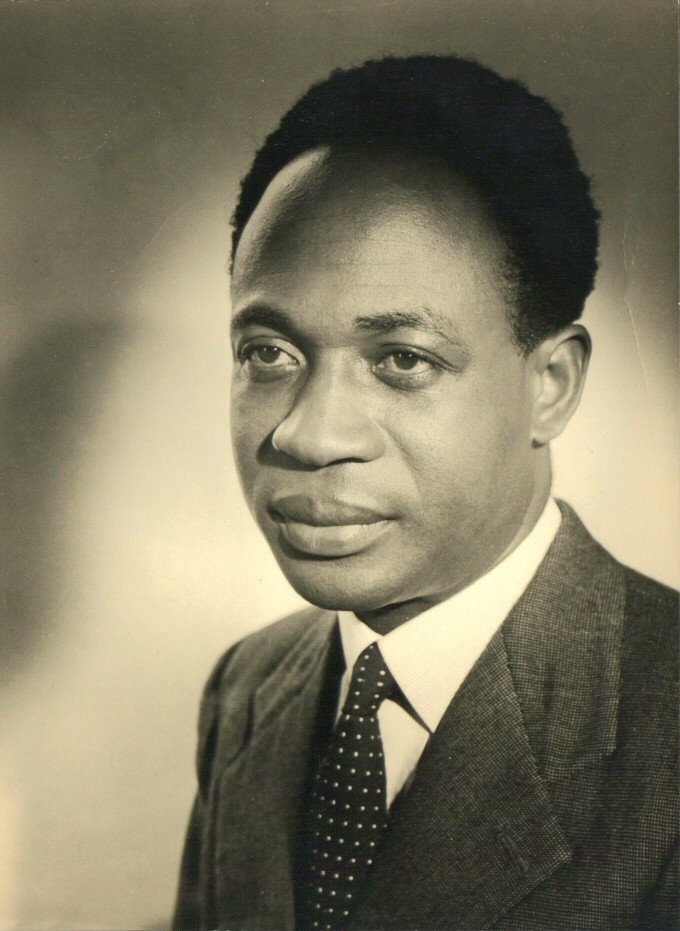
Kwame Nkrumah

Nkrumah led Ghana to independence in 1957, the first sub-Saharan African country to gain independence from colonial rule, and convened the first Conference of Independent African States in Accra in 1958. He hosted liberation movements from across Africa, supported the Congo’s Lumumba government, advocated for a United States of Africa with a continental government and military, and published “Neo-Colonialism: The Last Stage of Imperialism” (1965), which documented how formal independence without economic sovereignty perpetuated colonial extraction.


He was deposed in a military coup on February 24, 1966, while on a diplomatic mission to Hanoi; declassified CIA documents confirm CIA support for the coup plotters. He died in exile in Conakry, Guinea, in 1972. The coup destroyed the most ambitious Pan-African political project of the post-independence era and directly served American Cold War interests in preventing a socialist Pan-African bloc.

Trinidad and Tobago

Eric Williams

Williams published “Capitalism and Slavery” in 1944, arguing that the abolition of the slave trade was driven primarily by economic rather than moral factors (that slavery became uneconomic before it became politically untenable), a thesis that reoriented historical analysis of abolition. He founded the People’s National Movement in 1956 and became prime minister of Trinidad and Tobago at independence in 1962. He led Trinidad and Tobago’s negotiation of control over its oil industry, nationalizing British Petroleum’s Trinidad operations in 1969.


His political project combined Black nationalism, Caribbean regionalism, and resource nationalism in a framework that influenced Caribbean independence movements broadly. His “Massa Day Done” speech (1961) articulated the end of colonial deference as a political and psychological program. He remained prime minister until his death in 1981; his later years were marked by the corruption and authoritarianism that his own political framework had not built structural defenses against.

USA

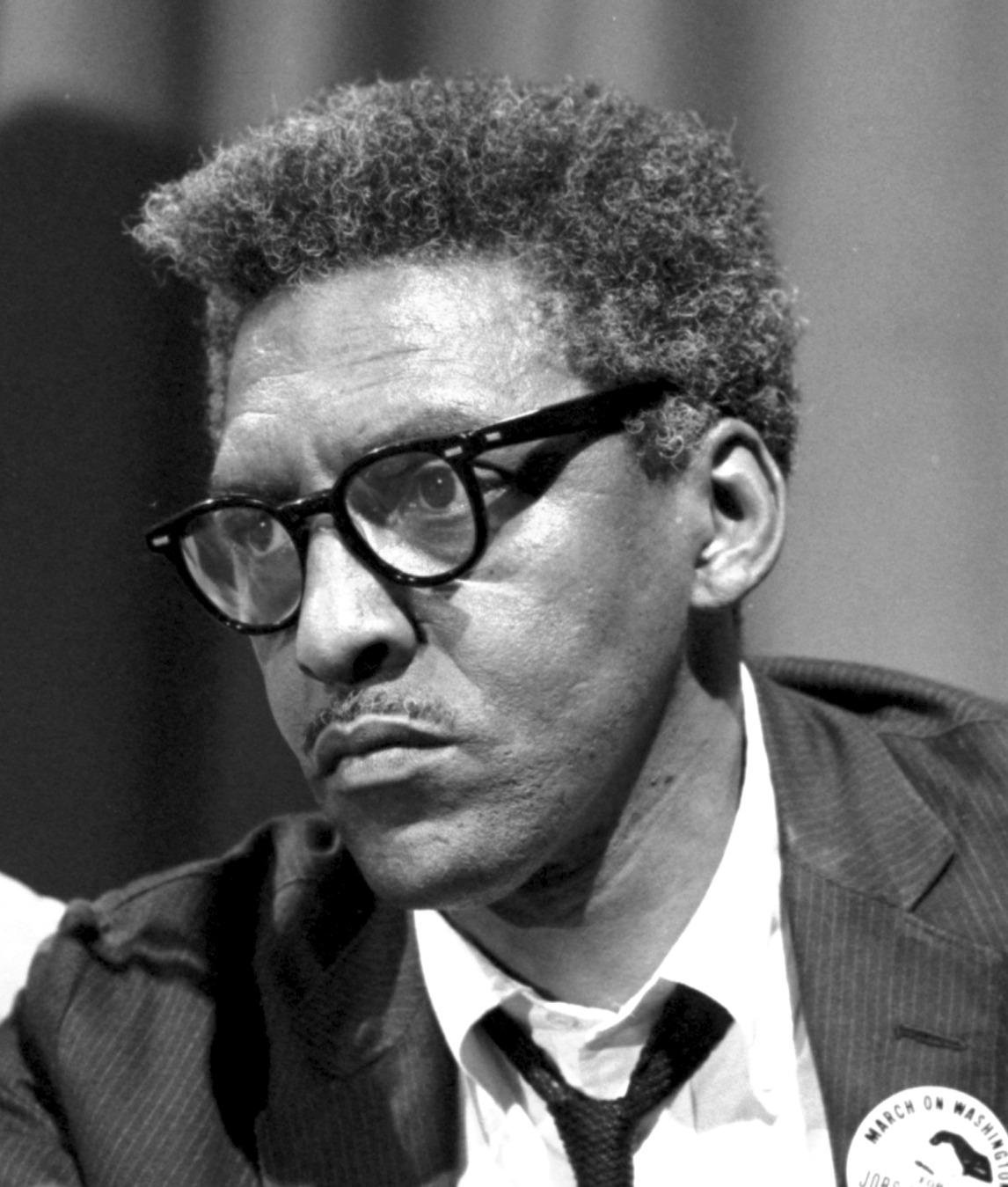
Bayard Rustin

Rustin was the primary organizer of the 1963 March on Washington and had been the principal strategist behind the Montgomery Bus Boycott, introducing Martin Luther King Jr. to Gandhian nonviolent strategy. He was gay, and his homosexuality was used repeatedly as a political weapon against him and against the organizations he was associated with: Congressman Adam Clayton Powell Jr. threatened to spread false rumors about a sexual relationship between Rustin and King if Rustin was given a public role at the 1963 March; he was accordingly kept out of public view while doing the organizational work.


The SCLC and NAACP’s decisions to marginalize Rustin rather than defend him reflected both homophobia and political calculation. He received the Presidential Medal of Freedom posthumously in 2013. His organizational achievements were systematically attributed to the male leaders whose public faces he elevated, documenting the specific intersection of racism and homophobia in determining whose political labor receives institutional recognition.

Martinique

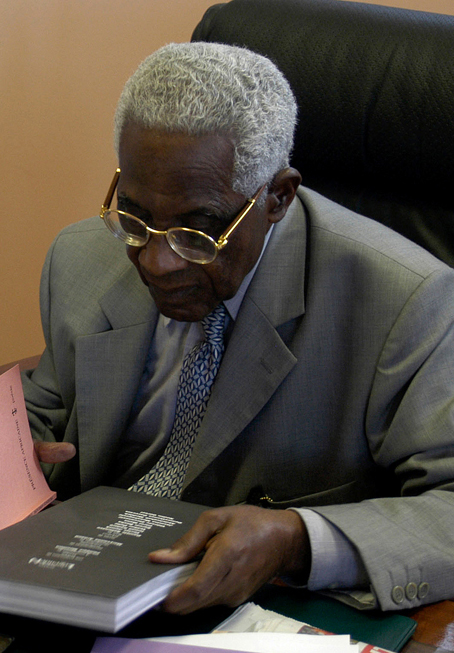
Aimé Césaire

Césaire co-founded the Négritude movement with Léopold Sédar Senghor and Léon-Gontran Damas as students in Paris in the 1930s, asserting the cultural value of African and African-descended identity against the French colonial policy of assimilation. He was elected mayor of Fort-de-France, Martinique, in 1945 - a position he held until 2001 - and simultaneously elected to the French Assemblée Nationale, where he served until 2011. His “Discourse on Colonialism” (1950) documented colonialism as a process of mutual barbarization - dehumanizing both colonized and colonizer.


He resigned from the French Communist Party in 1956 in a public letter to Party secretary Maurice Thorez, arguing that the Party’s universalism had failed to address colonialism’s specificity. He engineered Martinique’s departmentalization as a French overseas department in 1946, a decision he later expressed ambivalence about, having traded formal independence for material security - a structural compromise that Martinican independence advocates have contested since.

USA

Rosa Parks

Refused to give up her bus seat to a white passenger in Montgomery, Alabama, on December 1, 1955, an act of deliberate civil disobedience that sparked the Montgomery Bus Boycott (a 381-day campaign that forced the desegregation of Montgomery’s buses and reshaped the trajectory of the American civil rights movement).


She was a trained activist and secretary of the local NAACP chapter; the widespread story that she was a tired seamstress acting on impulse is a mischaracterization.

Brazil

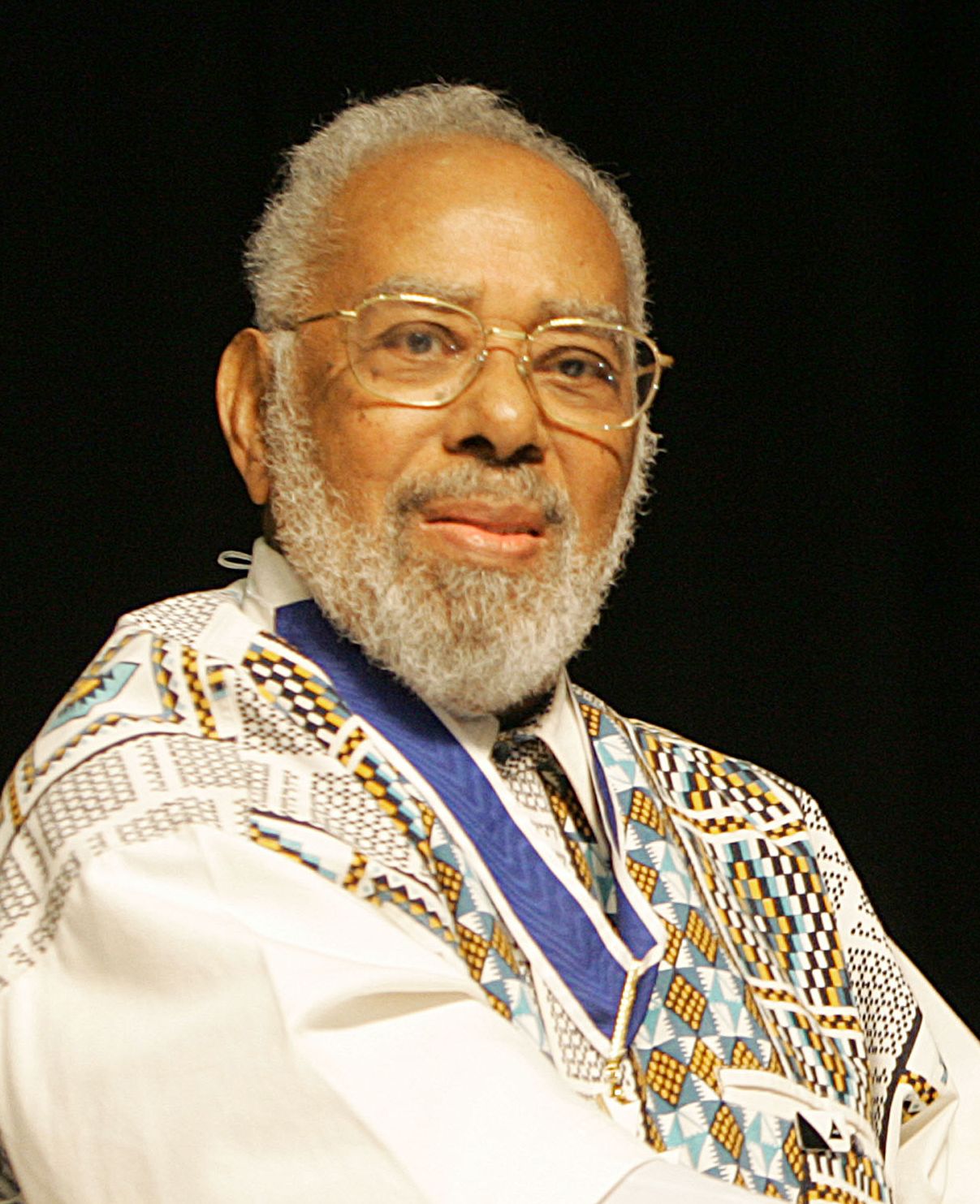
Abdias do Nascimento

Nascimento founded the Experimental Black Theatre in Rio de Janeiro in 1944, was exiled following the 1964 military coup, and returned to Brazil in 1978, subsequently serving as federal deputy and senator, where he introduced legislation for quilombola land rights and reparations for slavery.


His concept of “Quilombismo” (drawing on the maroon communities (quilombos) established by escaped enslved Africans as a model for Afro-Brazilian political organization) became foundational to Afro-Brazilian political theory. He documented anti-Black racism in Brazil at a time when the official ideology of “racial democracy” made its acknowledgment politically contested. He died in 2011 at age ninety-seven; the Brazilian Constitution’s provisions for quilombola land rights, enacted in 1988, reflected organizing he had led for decades.

South Africa

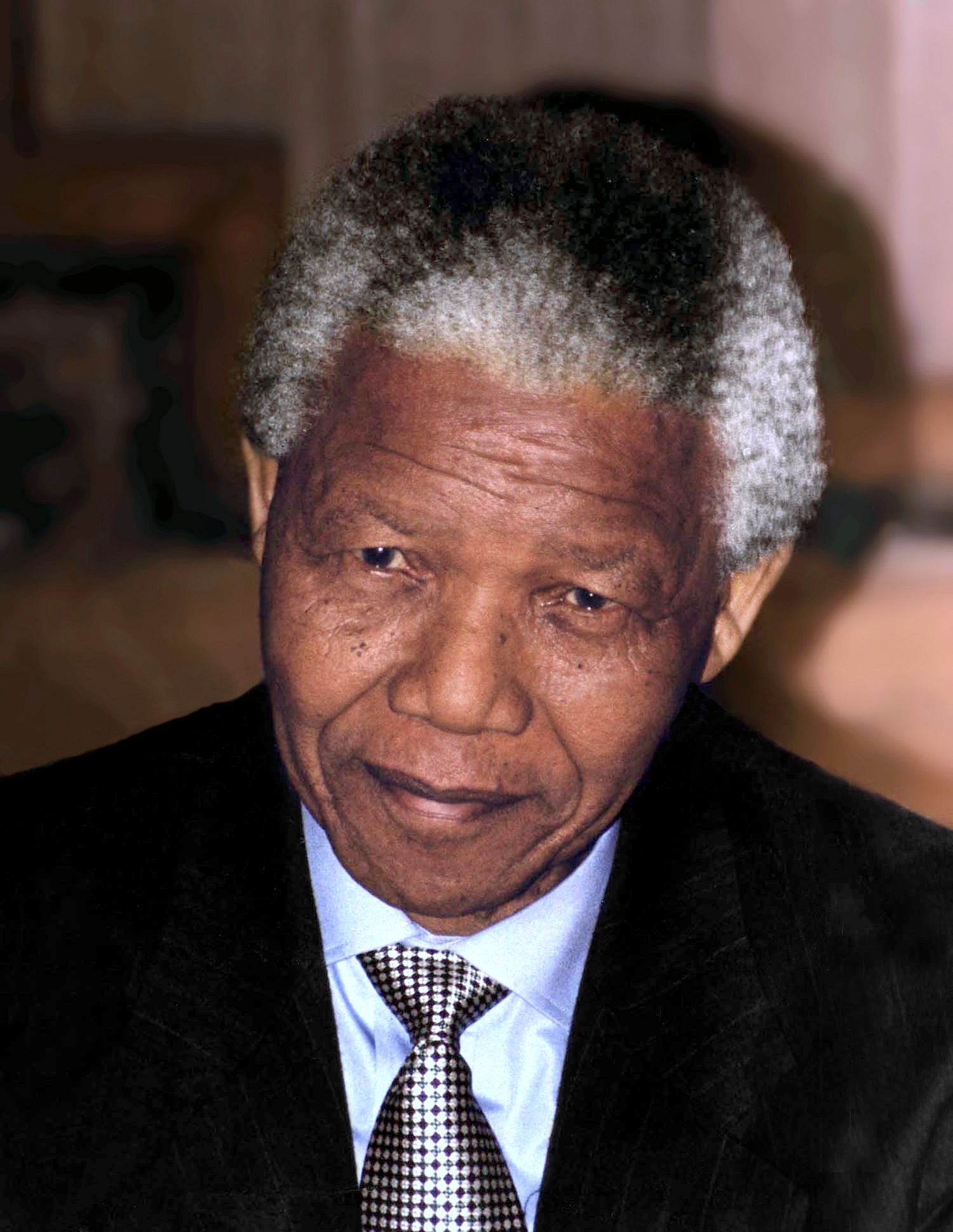
Nelson Mandela

Nelson Mandela helped build the African National Congress’s underground capacity after the Sharpeville era, then spent twenty-seven years in prison for sabotage charges tied to the armed struggle against apartheid. His refusal to accept exile offers, and his later willingness to negotiate with the National Party leadership, made him the public face of both principled defiance and strategic compromise.


Elected South Africa’s first Black head of state in 1994, he prioritized a negotiated transition—disbanding white minority rule while trying to keep security forces, capital, and civil institutions from collapse.


The Truth and Reconciliation Commission framed accountability as public testimony rather than mass trials, a choice praised for reducing civil war risk and criticized for leaving economic inequality largely intact; Mandela’s global stature thereafter turned him into a contested symbol of forgiveness, nation-building, and the limits of reconciliation without redistribution.

Tanzania

Julius Nyerere

Nyerere served as president of Tanzania from independence in 1961 to 1985, implementing the Arusha Declaration (1967) and ujamaa (familyhood) socialism, which nationalized major industries and organized rural populations into communal villages. The villagization program was later recognized by Nyerere himself as partially coercive and economically unsuccessful. He hosted the ANC, SWAPO, ZANU, ZAPU, FRELIMO, and other African liberation movements in Dar es Salaam, making Tanzania the primary logistical base for southern African liberation. He chaired the South Commission (1987–1990), which produced “The Challenge to the South” - a program for South-South economic cooperation.


He mediated multiple African conflicts and resigned voluntarily from the presidency in 1985, an act of voluntary democratic transfer that was unusual in post-independence Africa. His political legacy is contested: ujamaa failed economically while succeeding in creating national unity across 120 ethnic groups.

Guinea-Bissau / Cape Verde

Amílcar Cabral

Cabral founded the Partido Africano da Independência da Guiné e Cabo Verde (PAIGC) in 1956 and led a guerrilla campaign against Portuguese colonial rule that by 1972 controlled two-thirds of Guinea-Bissau’s territory. His theoretical writings on culture and national liberation - arguing that culture was both the product and the weapon of liberation - constituted a political philosophy that influenced liberation movements across Africa.


He was assassinated in Conakry, Guinea, on January 20, 1973, eight months before Guinea-Bissau declared independence; Portuguese intelligence involvement has been documented. Cape Verde achieved independence in 1975. Cabral never held political office; he was killed before independence came. His writings, including “Return to the Source” and “Revolution in Guinea,” were influential in African liberation movements and in African American political theory during the 1970s.

Jamaica

Michael Manley

Manley served as Prime Minister of Jamaica from 1972 to 1980 and again from 1989 to 1992, implementing a democratic socialist program in his first term that included minimum wage legislation, free secondary education, maternity leave, worker participation in management, and a bauxite levy that increased Jamaica’s revenue from its primary export. The CIA’s documented involvement in destabilizing his government, supporting opposition parties and facilitating the flow of weapons to politically affiliated gangs, has been documented in declassified materials and journalistic investigations.


The IMF structural adjustment loans Jamaica accepted after the oil crisis of the late 1970s required austerity measures that reversed many of his social programs, a structural constraint that was independent of Manley’s political intentions. His career documented the limits of democratic socialist programs in small, resource-dependent economies subject to both external political destabilization and international financial conditionality.

USA

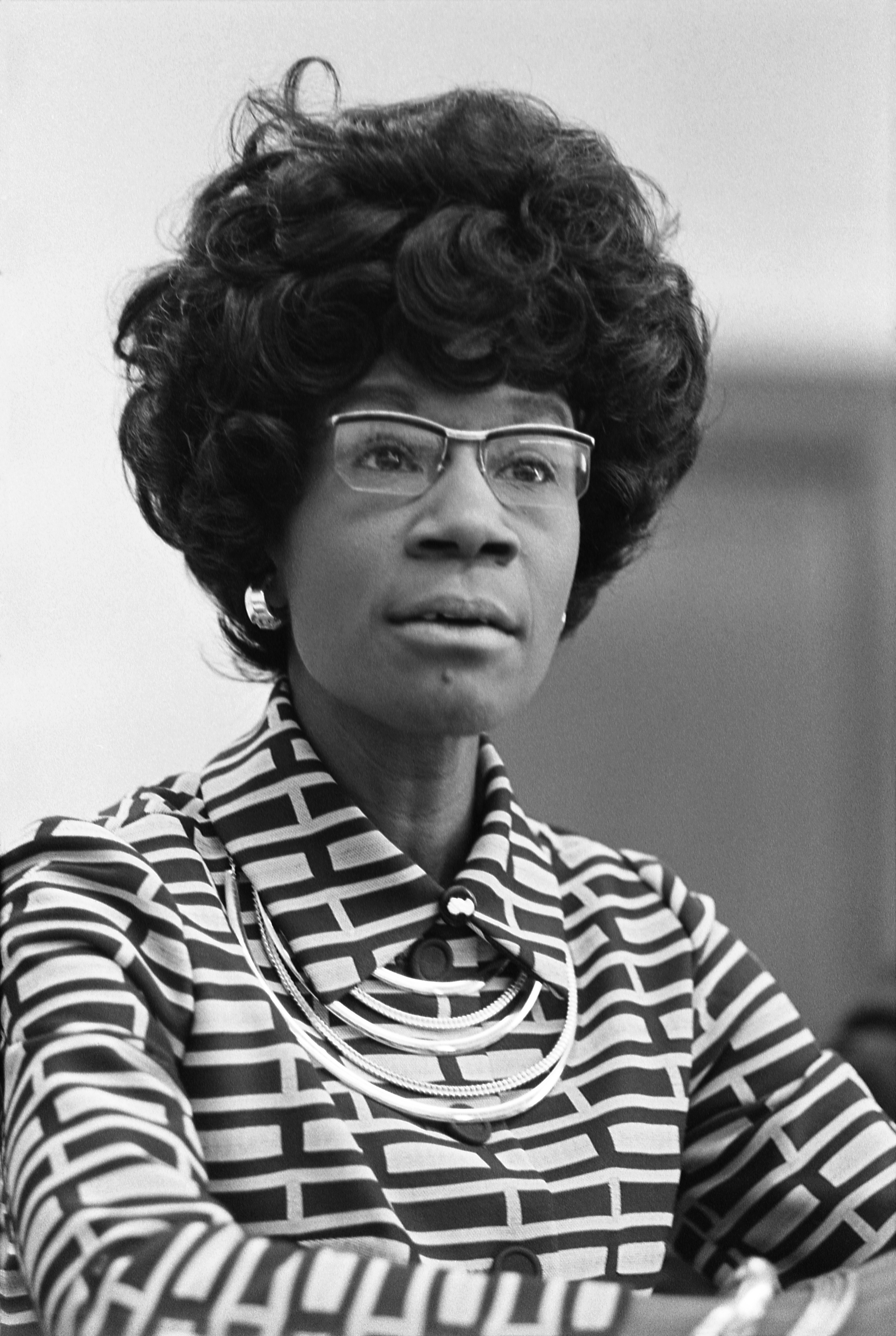
Shirley Chisholm

Chisholm was elected to the U.S. House of Representatives from Brooklyn’s 12th congressional district in 1968, the first Black woman elected to Congress. She served seven terms, was assigned to the House Agriculture Committee despite representing an urban district - an assignment she interpreted as deliberate marginalization and publicly challenged - and was reassigned to the Veterans Affairs and then Education and Labor committees after protest.


In 1972 she ran for the Democratic presidential nomination, the first Black American and first woman to seek a major party’s presidential nomination, winning 152 delegate votes. She received virtually no support from established civil rights organizations, whose male leadership considered her candidacy counterproductive. She has stated that she faced more discrimination as a woman than as a Black person in politics - a statement that documented the intersection of race and gender in political exclusion.

USA

Malcolm X

Malcolm X served as a minister and national spokesman for the Nation of Islam from 1954 until his public split with Elijah Muhammad in March 1964, following his suspension after comments on the Kennedy assassination and his private discovery of Muhammad’s extramarital affairs. He founded the Organization of Afro-American Unity in June 1964, modeled on the Organization of African Unity, and made two trips to Africa seeking recognition of African-American civil rights as a matter of international human rights before the United Nations - a strategy that, if successful, would have subjected the United States to international accountability mechanisms it had evaded.


He was assassinated on February 21, 1965, at the Audubon Ballroom in New York by members of the Nation of Islam; the FBI and NYPD had informants in the room and had been warned of specific assassination threats and did not act on them. New York State in 2021 granted posthumous pardons to two of three men convicted of his murder, acknowledging that the evidence against them was insufficient.

Democratic Republic of Congo (Zaire)

Patrice Lumumba

Lumumba was elected the first Prime Minister of the independent Republic of Congo in June 1960 following Belgian decolonization. He was dismissed by President Kasavubu in September 1960, arrested in December, and assassinated in January 1961. Belgian parliamentary investigations and declassified CIA documents have established that both Belgium and the United States were involved in his removal and assassination: Belgium directly, and the CIA through a parallel plot that may not have been operationally necessary because Belgian and Congolese actors had already acted.


The United Nations force present in the Congo did not protect him; UN Secretary-General Dag Hammarskjöld’s role has been documented as one of non-intervention. Belgian Foreign Minister Louis Michel formally apologized for Belgium’s role in 2002. His assassination removed the Congo’s only nationally elected leader and created the conditions for Mobutu Sese Seko’s three-decade kleptocracy, directly shaping the DRC’s trajectory to the present.

USA

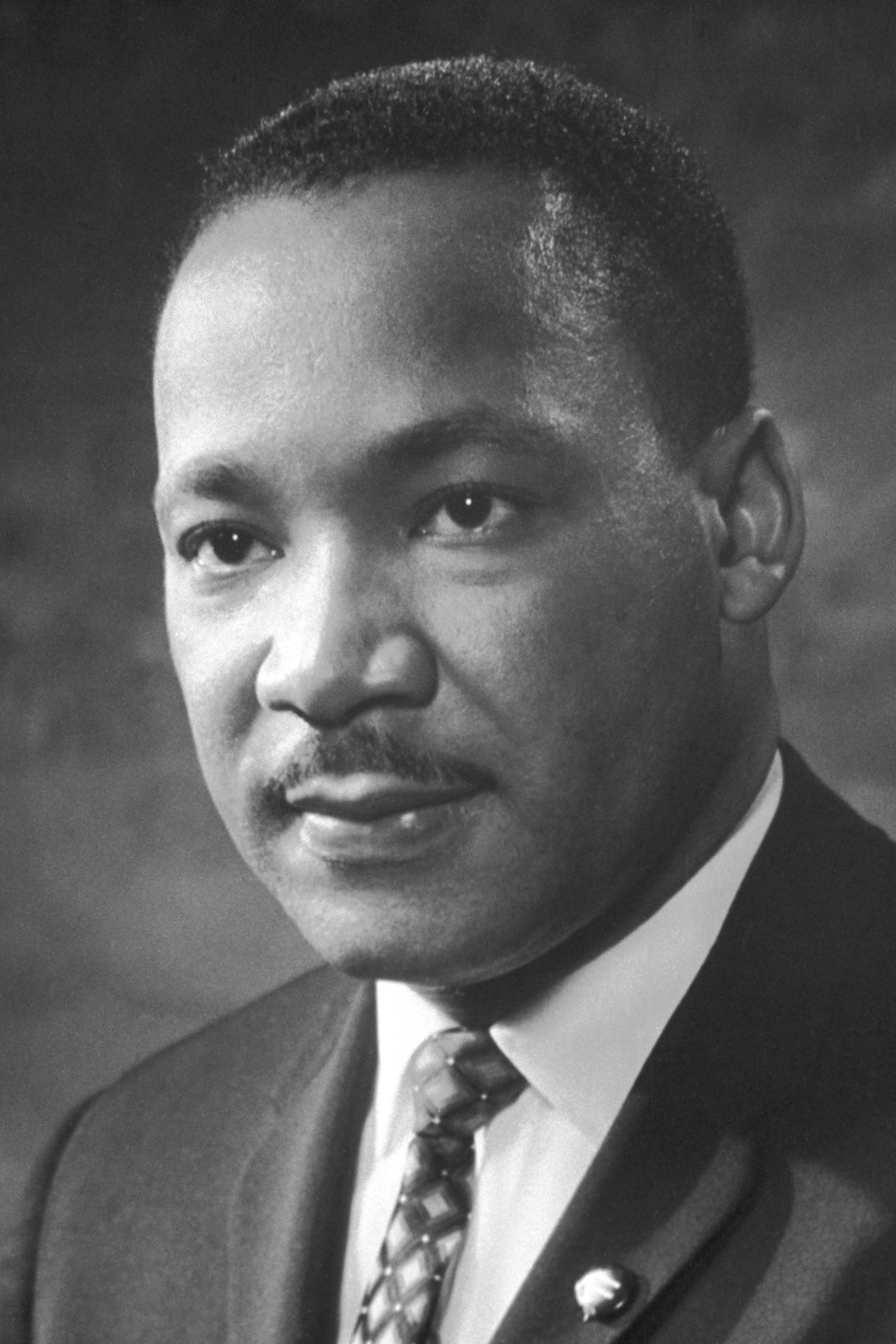
Martin Luther King Jr.

King served as president of the Southern Christian Leadership Conference from its founding in 1957 until his assassination in 1968, leading campaigns in Birmingham (1963), the March on Washington (1963), Selma (1965), Chicago (1966), and the Poor People’s Campaign (1968). The FBI surveilled him from 1957, and Director J. Edgar Hoover designated him “the most dangerous Negro in America” in 1964. The FBI’s COINTELPRO operation against King included wiretapping, attempted blackmail using recordings of extramarital sexual activity, and a letter sent to King in 1964 suggesting he commit suicide - documented in Church Committee hearings.


The Senate Intelligence Committee’s 1976 report concluded that the FBI’s conduct was unconstitutional. King was assassinated in Memphis on April 4, 1968; James Earl Ray was convicted of the murder. A 1999 civil trial found Memphis police and other parties liable for conspiring in the assassination, but the Justice Department declined to reopen the criminal case.

South Africa

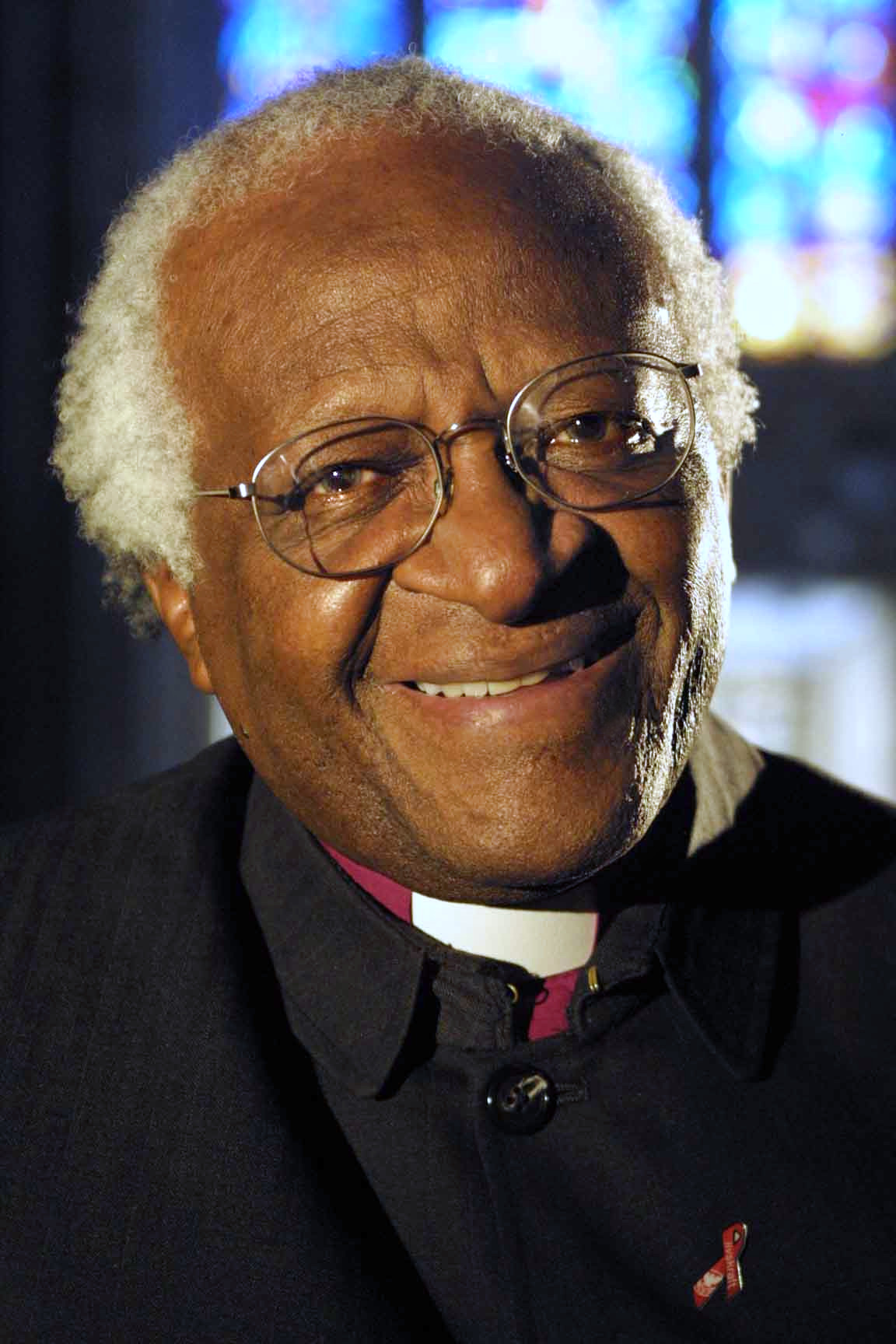
Desmond Tutu

Tutu was awarded the Nobel Peace Prize in 1984 for his opposition to apartheid and served as Archbishop of Cape Town from 1986 to 1996. As chair of the Truth and Reconciliation Commission (1996–1998), he presided over a process in which perpetrators of apartheid-era human rights violations could receive amnesty in exchange for full public disclosure. The TRC documented over 21,000 victim statements and granted amnesty in 1,500 cases.


The Commission’s structure (which prioritized truth and reconciliation over prosecution) has been criticized by victims’ groups for failing to deliver justice; the ANC government declined to prosecute those who did not receive amnesty. Tutu subsequently advocated for Palestinian rights, calling Israeli treatment of Palestinians analogous to apartheid, and criticized the ANC government’s corruption and failure to address economic inequality.

Mozambique

Samora Machel

Machel led Frelimo (Front for the Liberation of Mozambique) to independence from Portugal in 1975 and became Mozambique’s first president, implementing a Marxist program of nationalization and social development while fighting a South African-backed insurgency (RENAMO) that destabilized the country throughout his presidency. He signed the Nkomati Accord with South Africa in 1984 - agreeing to stop supporting the ANC in exchange for South African cessation of RENAMO support, an agreement South Africa violated while Mozambique complied.


He died in a plane crash on October 19, 1986, at Mbuzini, South Africa, in circumstances that a South African inquest attributed to pilot error; investigators including a Soviet team found evidence consistent with deliberate interference with navigation systems. South Africa’s apartheid government has never been formally charged with responsibility.

USA

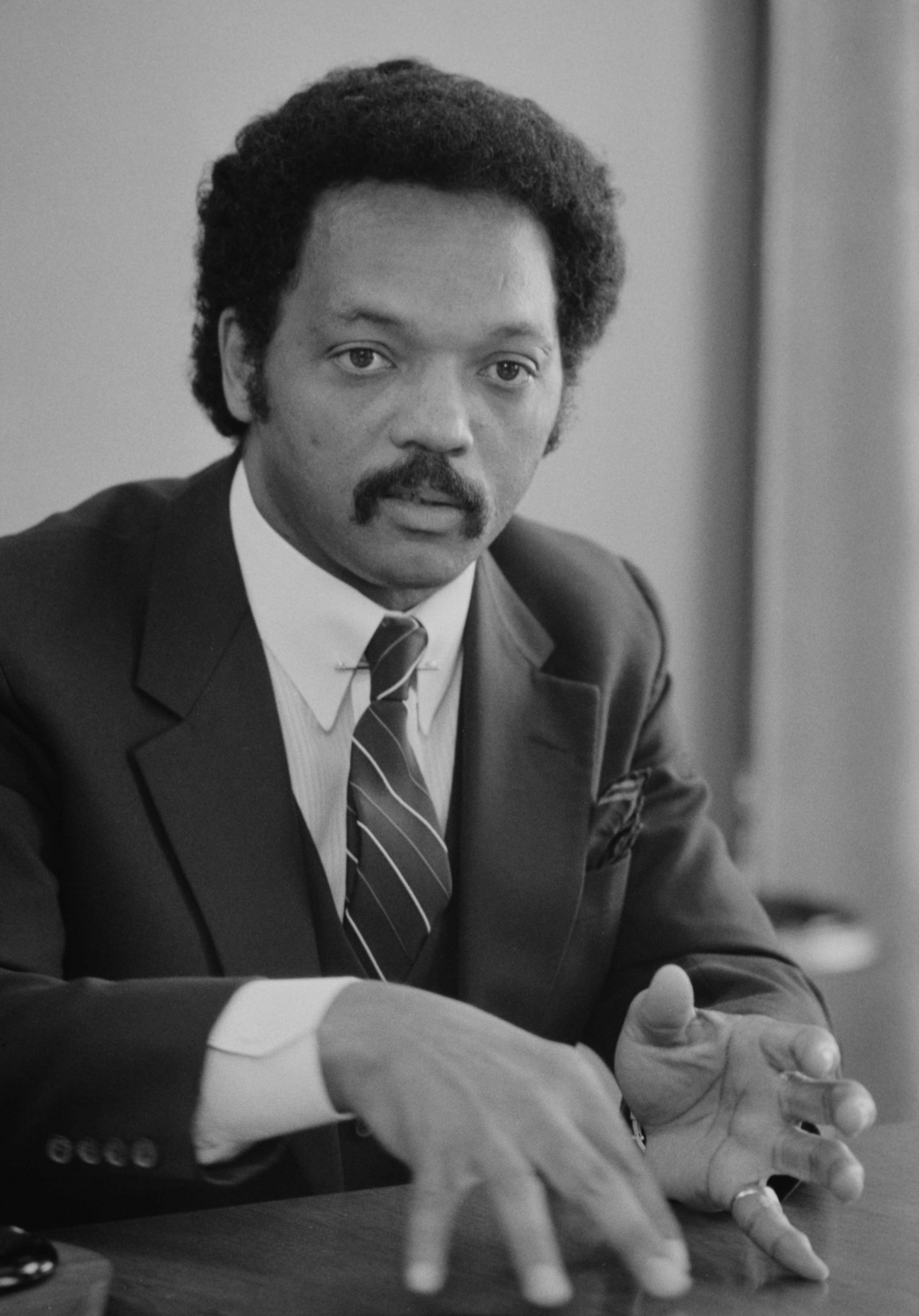
Jesse Jackson

Jackson ran for the Democratic presidential nomination in 1984 and 1988, winning approximately 3.5 million votes in 1984 and 7 million in 1988 - the most successful Black presidential campaign in American history until Obama’s 2008 run. His Rainbow Coalition - which built a multiracial working-class electoral coalition including Black voters, Latino voters, Native Americans, labor unions, LGBTQ activists, and progressive whites - represented the most significant attempt to transform the Democratic Party’s internal power structure through electoral organizing since the MFDP’s 1964 challenge.


The 1988 campaign won eleven states and 1,218 delegates; Jackson’s treatment at the 1988 Democratic convention, where his coalition’s platform demands were systematically rejected, documented the limits of delegate arithmetic as a lever for party transformation when the party establishment controls the convention process. The superdelegate system, introduced in 1984 partly in response to Jackson’s challenge, was explicitly designed to give party insiders control over nomination outcomes.

Trinidad / USA / Guinea

Kwame Ture (Stokely Carmichael)

Carmichael was chairman of SNCC from 1966 to 1967 and articulated the slogan “Black Power” at a June 1966 rally in Mississippi - a phrase that crystallized a political analysis: that integration into a white-controlled political system without independent Black institutional power would not produce racial equality. He joined the Black Panther Party in 1967, resigned in 1969 over political disagreements, moved to Guinea in 1969, worked with Sékou Touré and Kwame Nkrumah (in exile), and spent the rest of his life organizing for Pan-African unity.


The FBI surveilled him in Africa and used intelligence-sharing arrangements with African security services to monitor his organizing; he died in Guinea in 1998. His articulation of Black Power as a structural critique of integration politics without institutional power was more influential internationally - in the Caribbean, Africa, and among Black British activists - than the sanitized version that entered American mainstream discourse.

Guyana

Walter Rodney

Rodney published “How Europe Underdeveloped Africa” in 1972, a systematic political-economic analysis of how colonial extraction had structurally impoverished Africa and enriched Europe (establishing the conceptual framework for understanding African underdevelopment as the product of deliberate policy rather than internal failure). He was banned from Jamaica in 1968 after organizing among Rastafarians and poor urban Jamaicans.


He founded the Working People’s Alliance in Guyana in 1974, a multiracial socialist party. He was assassinated in Georgetown, Guyana, on June 13, 1980, by a bomb; a Guyanese commission of inquiry in 2016 found that the assassination was ordered by President Forbes Burnham’s government. The theoretical framework of “How Europe Underdeveloped Africa” became foundational to African political thought and to academic political economy of development.

Brazil

Benedita da Silva

Da Silva was the first Black woman elected to the Brazilian Senate (1994) and served as governor of Rio de Janeiro State in 2002. Born in a Rio favela, she has documented her political career as operating within a Brazilian political system that produces structural obstacles to Afro-Brazilian political representation - obstacles she has named explicitly in contrast to the Brazilian racial democracy ideology.


She has advocated for quilombola land rights, affirmative action in Brazilian universities, and policies addressing the specific conditions of Afro-Brazilian women. Her career spans a period in which Brazil introduced racial quotas for university admissions and federal employment - policies that were legally challenged and whose implementation required sustained political defense against constitutional arguments rooted in the racial democracy narrative.

USA

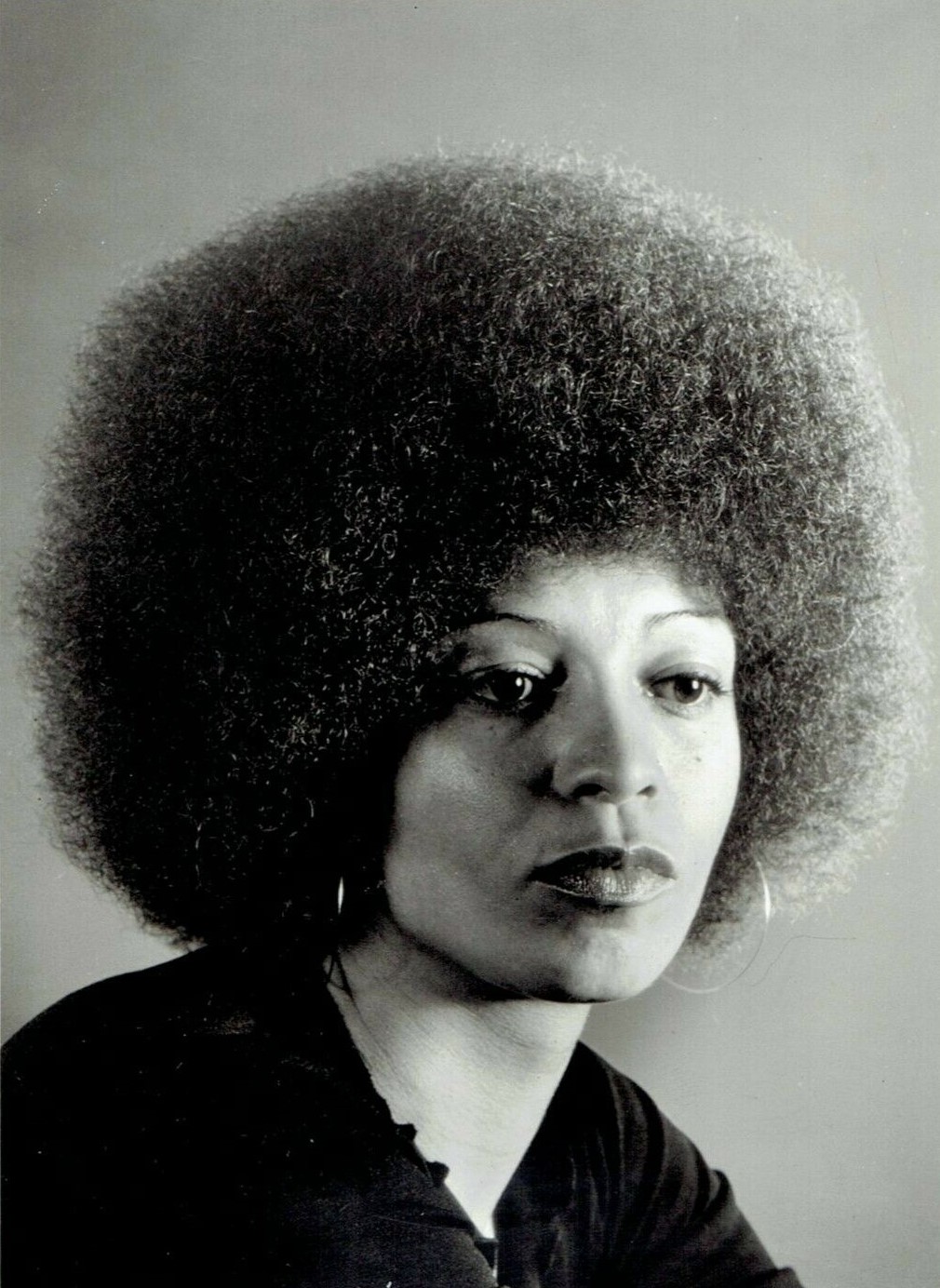
Angela Davis

Davis was a member of the Communist Party USA and the Black Panther Party’s political associates and was placed on the FBI’s Ten Most Wanted list in 1970 in connection with the August 1970 Marin County Courthouse shootings, in which guns registered in her name were used. She was acquitted by an all-white jury in 1972 of all charges. Her campaign to free political prisoners, her subsequent scholarship on the prison-industrial complex (including “Are Prisons Obsolete?” (2003)) and her abolitionist framework, which argues that prisons function as a racial and economic control mechanism, have established the intellectual basis for the contemporary prison abolition movement.


Her analysis of mass incarceration as a continuation of racial caste by institutional means preceded by two decades the mainstream reception of that framework in Michelle Alexander’s “The New Jim Crow” (2010).

Grenada

Maurice Bishop

Bishop led the New Jewel Movement to power in Grenada in 1979 in a coup that replaced the government of Eric Gairy and implemented a program of free healthcare, adult literacy, and cooperative agriculture. The Reagan administration identified the Grenada revolution as a Soviet and Cuban proxy and embargoed it. Bishop was placed under house arrest by hardliners within his own party in October 1983, freed by a popular crowd, and executed by his former colleagues on October 19, 1983. The United States invaded Grenada on October 25, 1983 - four days after Bishop’s execution - citing the safety of American medical students, though invasion plans predated the internal conflict.


The UN General Assembly voted 108 to 9 condemning the invasion as a violation of international law; the United States vetoed the equivalent Security Council resolution. The Grenada revolution was the most significant attempt at social democratic transformation in the anglophone Caribbean and was destroyed from within before the external invasion arrived.

USA

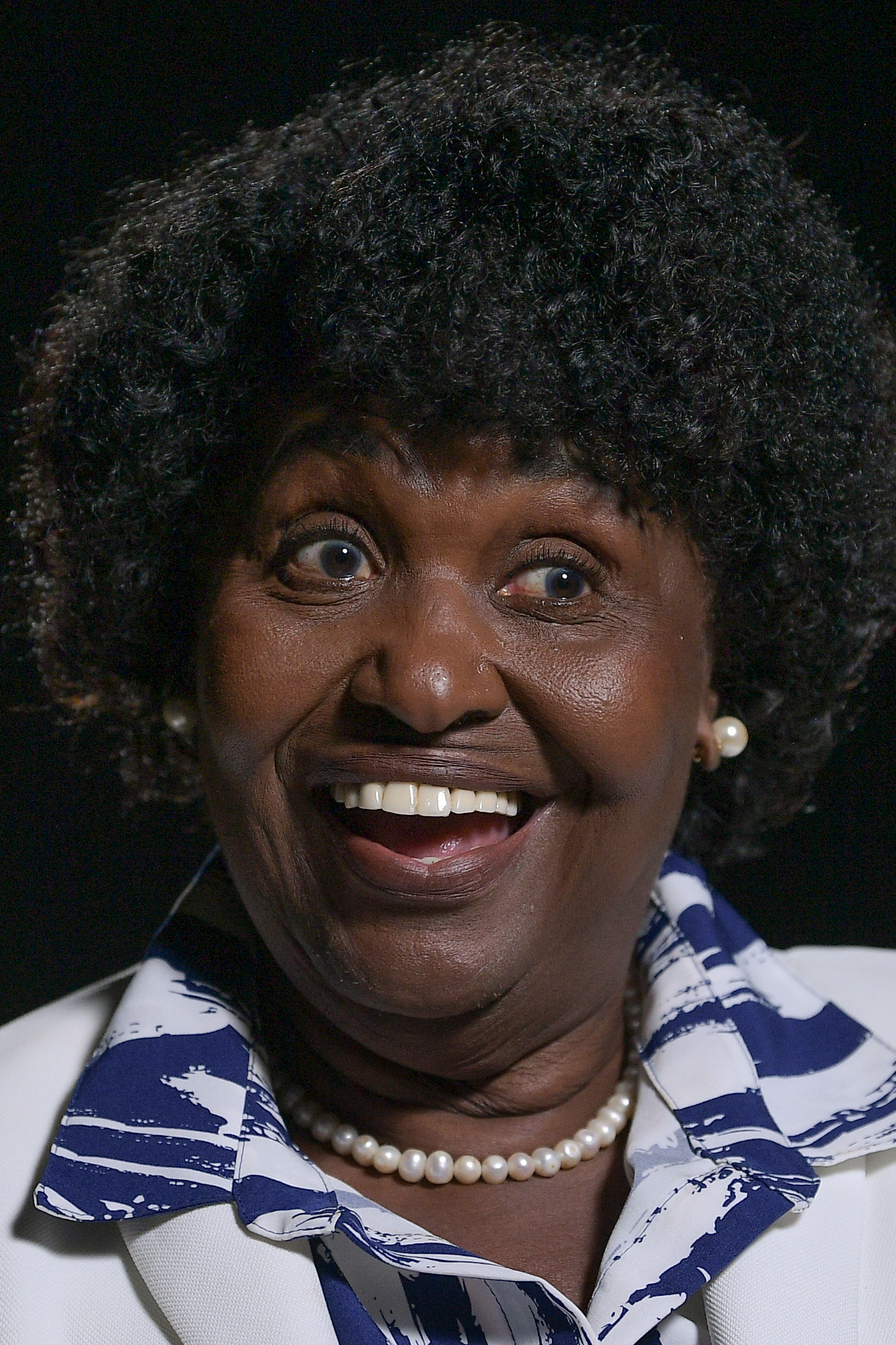
Carol Moseley Braun

Braun was elected U.S. Senator from Illinois in 1992, the first Black woman elected to the Senate. She served one term. Her defeat in 1998 followed a controversy over her management of her mother’s Medicaid funds and her meeting with Nigerian military dictator Sani Abacha despite State Department objections. She ran for the Democratic presidential nomination in 2004.


Her single term in the Senate documented a structural pattern: Black women elected to high-profile positions face a quality of institutional and media scrutiny (and a narrowness of the acceptable error margin) that white male counterparts do not encounter. The Senate did not have another Black woman member until Kamala Harris’s election in 2016.

Burkina Faso

Thomas Sankara

Sankara took power in Burkina Faso in 1983 and implemented a program of rapid social transformation: renaming the country from Upper Volta to Burkina Faso (“Land of Upright People”), mass vaccination campaigns, reforestation programs, women’s rights legislation that banned female genital mutilation and forced marriage, and a refusal of IMF structural adjustment loans on the grounds that conditionality served creditor interests over Burkinabè development.


In 1987, at an OAU meeting, he argued that African nations should collectively refuse to repay colonial-era debts. He was assassinated on October 15, 1987, in a coup led by his former ally Blaise Compaoré; a Burkinabè court found in 2022 that Compaoré was responsible and sentenced him in absentia to life imprisonment. French intelligence involvement has been documented in Burkinabè court proceedings. He is one of the few African heads of state documented to have reduced rather than increased personal wealth while in office.

UK (of Ghanaian/Scottish descent)

Paul Boateng

Boateng was elected to Parliament in 1987 alongside Diane Abbott and Bernie Grant, one of the first Black MPs in modern British history. He served as the first Black British cabinet minister, as Chief Secretary to the Treasury from 2002 to 2005, and subsequently as British High Commissioner to South Africa. His career documented the trajectory of Black British political integration into the mainstream of a party and a state whose policies on race, immigration, and policing were shaped by constituencies whose interests were often in direct tension with those of Black British communities.


His public positioning became progressively less explicitly identified with Black political interests as his career advanced (a trajectory that critics argued reflected the structural incentives of institutional advancement within a predominantly white political system).

French Guiana

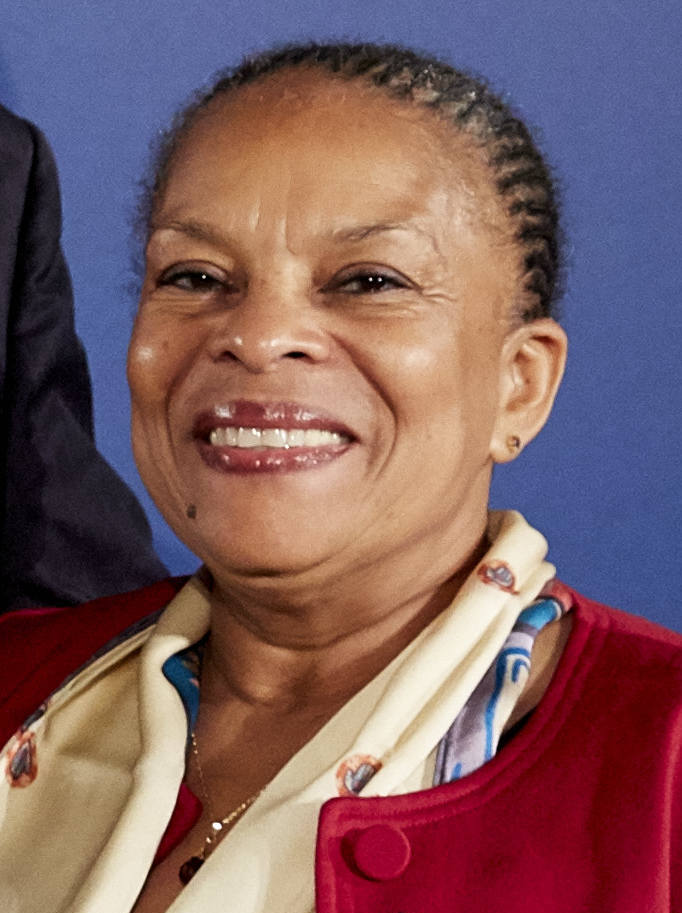
Christiane Taubira

Taubira, born in French Guiana, was elected to the French National Assembly in 1993 and served as France’s Minister of Justice from 2012 to 2016. She was the primary author of the Taubira Law (2001), which declared the transatlantic slave trade and slavery a crime against humanity under French law (the first national law in the world to do so). As Justice Minister she piloted the legalization of same-sex marriage through the National Assembly in 2013.


She resigned in January 2016 in protest against a government proposal to strip French citizenship from dual nationals convicted of terrorist offenses (a policy she argued would create two categories of French citizen with different rights). She was depicted in a French magazine as a monkey; the editors were prosecuted for racial insult. She was a candidate in the 2022 French presidential election. Her career documented the specific conditions of a Black woman who holds formal institutional power within a state whose racial politics she consistently named, and the mechanisms of media degradation directed at her in response.

UK (of Jamaican descent)

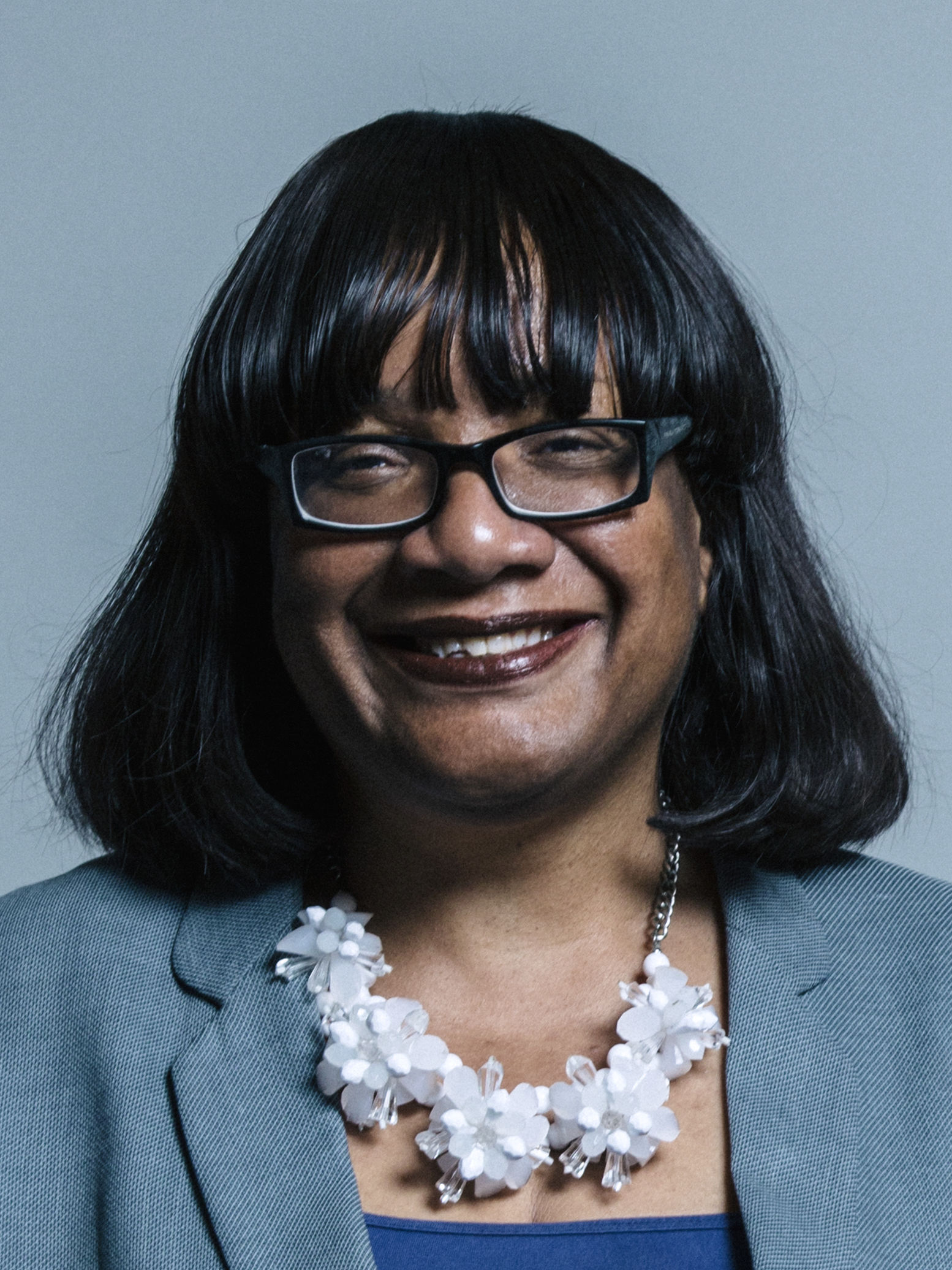
Diane Abbott

Abbott was elected to the UK Parliament as MP for Hackney North and Stoke Newington in 1987, the first Black woman elected to the House of Commons. She has served continuously since. A 2017 analysis found she received nearly half of all abusive tweets sent to female MPs during the 2017 election campaign. In 2023–24, she was suspended by the Labour Party following a leaked letter in which she drew a comparison between anti-Irish, anti-Traveller, and anti-Jewish discrimination and anti-Black discrimination (a suspension that lasted over a year while equivalent cases involving white MPs were resolved more quickly); the party subsequently reinstated her.


Her career has documented the specific intersection of racism and misogyny directed at Black women in British political life, an intersection that formal equal opportunity frameworks have consistently failed to address as combined, intersecting harms.

USA

Kamala Harris

Harris served as District Attorney of San Francisco (2004–2011), Attorney General of California (2011–2017), and U.S. Senator from California (2017–2021). She was elected Vice President of the United States in November 2020 - the first woman, first Black person, and first South Asian person to hold the office. She succeeded to the role of Democratic presidential nominee in July 2024 when President Biden withdrew from the race, becoming the first Black woman nominated for the presidency by a major party. She was defeated by Donald Trump in the November 2024 election, winning the popular vote in some projections but losing the Electoral College.


Her political career has documented both the accessibility of high office to Black women under specific conditions and the structural obstacles that remain: she faced sustained questioning of her qualifications from within her own party that was not applied to white male candidates with comparable or lesser credentials.

Brazil

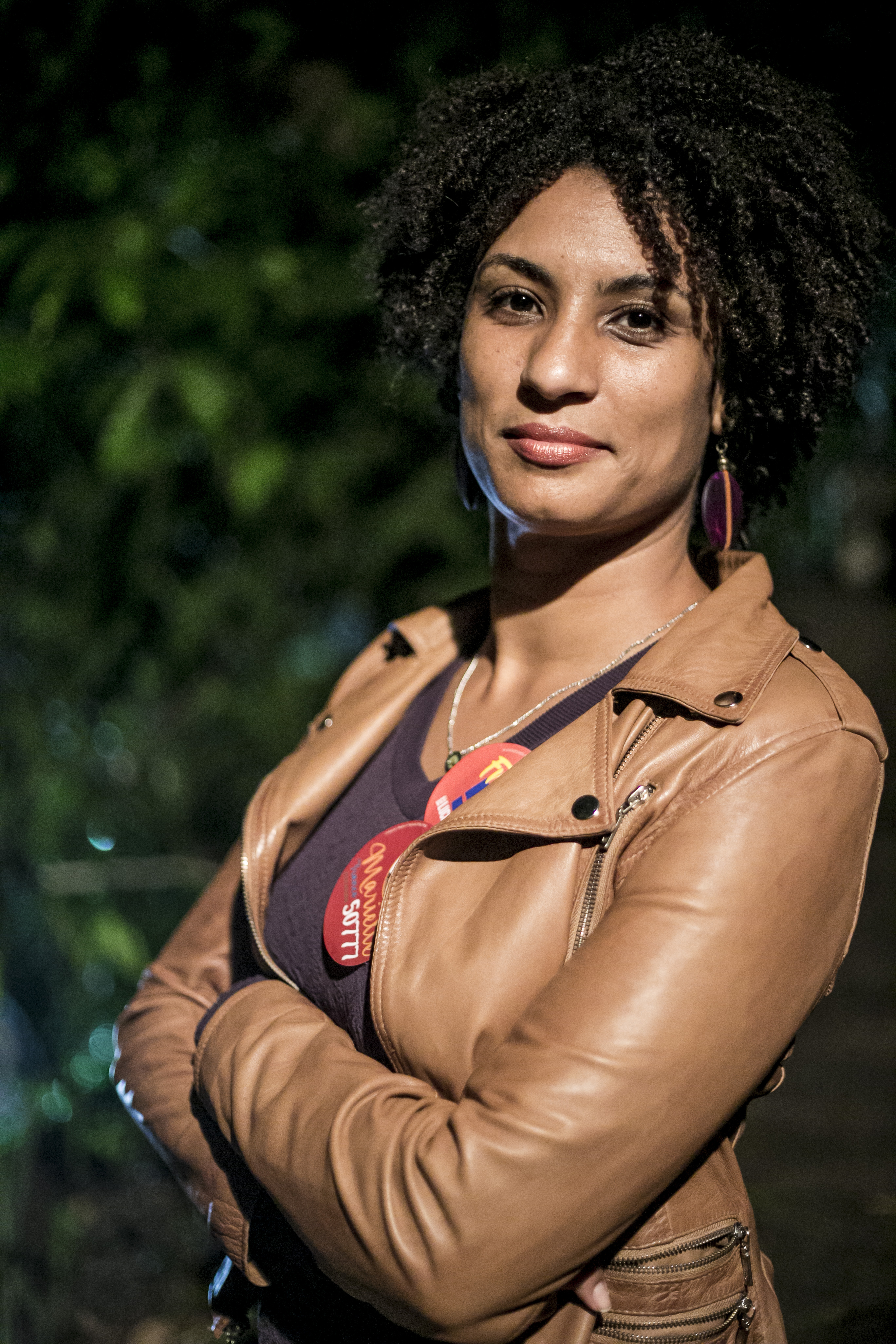
Marielle Franco

Franco was elected to the Rio de Janeiro City Council in 2016, representing the PSOL (Socialism and Liberty Party), as an openly Black, gay, and favela-born woman (a political profile that directly challenged the social categories that Brazilian politics historically excluded from institutional representation). She advocated for LGBTQ+ rights, police accountability, and favela residents’ rights.


She was assassinated on March 14, 2018, in Rio de Janeiro, along with her driver Anderson Gomes. The investigation eventually identified former Rio de Janeiro state deputy Chiquinho Brazão and his brother Domingos Brazão as the alleged masterminds; former Rio civil police chief Rivaldo Barbosa was also charged. A former Bolsonaro associate, Élcio de Queiroz, was convicted as the driver of the car from which the shots were fired. The case’s slow resolution (five years to identify alleged masterminds) reflected the institutional protection extended to those with political and police connections in Rio’s political culture.

Who are we missing? Suggest an entry