Sports

Athletes, coaches, and organizers who broke barriers and redefined competition.

60 entries

Scroll to see where you are.

West Africa / Hausa states (present-day Nigeria, Niger, Chad)

Dambe Practitioners (collective)

Dambe is a Hausa striking art in which the dominant hand is wrapped in cord and used as a “spear” while the lead hand guards; kicks and grappling are permitted. Historically practiced by butchers’ guilds and tied to harvest and war preparation cycles, it was a fully institutionalized martial tradition with traveling circuits, recognized champions, and formal rules predating European colonization. Colonial documentation consistently misclassified Dambe as “ritual combat” rather than sport, a framing that denied its practitioners the category of athlete and served to delegitimize African athletic institutions as equivalent to European ones.


Contemporary Dambe has been professionalized with televised bouts, but without the structural investment that would accompany equivalent European combat sports.

Senegal

Laamb Wrestling Practitioners (collective)

Laamb (lamb) is the traditional wrestling form of Senegal, rooted in Serer and Wolof ceremonial life, functioning simultaneously as sport, ritual, spiritual practice, and public entertainment. Bouts were embedded in harvest festivals and rites of passage, with champions accorded social status comparable to political leaders.


The tradition constitutes a complete athletic institution - with training regimens, weight categories, protective amulets (gris-gris), and crowd-supported economies - predating European contact and surviving colonization without European institutional mediation. Its continuity through colonialism into a professionalized modern form (in which top wrestlers earn more than any Senegalese footballer) represents one of the most durable African athletic institutions on the continent.

South Africa (Zulu, Xhosa, Ndebele, Swazi peoples)

Nguni Stick Fighting Practitioners (collective)

Nguni stick fighting (izinduku / udonga) is a formalized martial art in which combatants use one stick to strike and another to block, practiced by young men across Zulu, Xhosa, and related southern African societies. Training was systematic, with recognized masters, formal bouts at community gatherings, and rules governing permissible targets - a complete pedagogical chain comparable to other codified combat sports, but embedded in communal rites and seasonal public life rather than in colonial sporting federations.


Colonial ethnography often recorded it as “tribal ritual” rather than athletic discipline, a classification that placed it outside the category of sport and thus outside the protections, funding, and international recognition accorded to European athletic forms. That framing was not neutral description; it helped justify surveillance, dismissal of injury risk as culturally expected, and denial of institutional standing to African practitioners as athletes.


The practice was suppressed under apartheid as a form of dangerous assembly, then partially revived in post-apartheid South Africa as heritage sport, tournament spectacle, and community education. Its history illustrates how racialized empire and apartheid law could criminalize indigenous athletic institutions while importing and celebrating European boxing and rugby under the language of modern sport.

Brazil (African-descended enslaved population)

Capoeira Practitioners (collective)

Capoeira was developed by enslaved Africans in Brazil as a martial art disguised as dance, allowing combat training to continue under the surveillance of enslavers who might tolerate performance but would suppress organized fighting practice. Its specific African origins are debated - Angolan, Congolese, and Yoruba elements have all been identified - but its development within Brazilian slavery is documented. Brazilian law criminalized capoeira practice in 1890, two years after abolition, specifically targeting Black urban populations; practitioners were arrested, deported, and in some cases killed.


Criminalization lasted until the 1930s when Mestre Bimba formalized a school with government approval, a process that required capoeira to be disciplined into a legible national form before the state would permit it - a structural condition of survival through assimilation.

USA / UK

Tom Molineaux

Molineaux, formerly enslaved in Virginia, arrived in England around 1809 and fought Tom Cribb for the bare-knuckle world heavyweight championship twice - in 1810 and 1811. In the 1810 bout, Molineaux led for much of the fight; historians have documented that the match was allowed to continue beyond a legitimate stoppage through crowd interference, and that Molineaux’s corner was physically prevented from attending to him between rounds. Cribb won both contests, and the British press celebrated the outcome in explicitly racial terms, framing Cribb’s victory as a defense of national and racial honor.


Molineaux died in Ireland in 1818, penniless, after a career managed by others who retained most of his earnings - a pattern of financial extraction from Black athletic labour that would recur for the next two centuries.

USA

Isaac Murphy

Murphy won the Kentucky Derby in 1884, 1890, and 1891, the first jockey to win it three times, and held a career win rate of approximately 44% - a figure that has not been matched in the history of American thoroughbred racing. In the 1870s and 1880s, Black jockeys dominated American racing; of the fifteen jockeys who rode in the inaugural 1875 Kentucky Derby, thirteen were Black.


As the sport’s economics shifted and white jockey associations organized to exclude Black riders, Murphy and his peers were systematically pushed out through rigged licensing, physical intimidation, and the refusal of stable owners to engage Black riders. Murphy died in 1896 in poverty, having earned significant prize money that was absorbed by stable owners and managers. Racing’s subsequent institutional history erased his statistical dominance from its standard narratives for over a century.

USA

Jack Johnson

Johnson became the first Black world heavyweight boxing champion in 1908, defeating Tommy Burns in Sydney, Australia - a bout Burns agreed to only after being offered an extraordinary financial guarantee, because no American promoter would sanction the match. His championship triggered an organized search for a “Great White Hope” to reclaim the title, which produced the 1910 Johnson-Jeffries bout in Reno, Nevada, after which race riots across the United States killed at least twenty-six Black people.


Johnson was prosecuted under the Mann Act in 1913 for transporting a white woman across state lines; the prosecution was explicitly racially motivated, targeting his relationships with white women. He was convicted, fled the country, lost his title abroad in 1915, returned to serve his sentence, and died in a car accident in 1946. Congress passed a resolution in 2009 urging a presidential pardon; it was granted posthumously by Donald Trump in 2018.

USA

Marshall "Major" Taylor

Taylor won the world sprint cycling championship in 1899 and held multiple world records, competing internationally when American venues and associations refused him entry. The League of American Wheelmen banned Black members in 1894; Taylor was excluded from tracks in the American South and routinely subjected to physical obstruction during races - opponents would box him in or grab his jersey. He competed extensively in Europe and Australia, where he was received with larger crowds and fairer competition, though not without racial condescension.


His autobiography, “The Fastest Bicycle Rider in the World” (1928), documents in his own words the specific mechanisms of exclusion he encountered in American cycling. He died in 1932 in Chicago’s charity ward, his competitive earnings having been exhausted.

USA

Negro Baseball Players (collective)

Before the Negro Leagues were formally organized, Black baseball players competed in semi-professional circuits, integrated teams, and traveling exhibitions while being excluded from the National League after 1887, when a “gentleman’s agreement” among team owners formalized their exclusion without a written rule. Players including Bud Fowler and Frank Grant were documented as having been physically spiked by white base runners attempting to injure them off the field - a tolerated practice that reflected the terms of Black participation: permitted only until white players organized against it.


This pre-League period established the structural condition - Black athletic excellence existing in a system designed to extract its economic value while refusing its practitioners competitive equality or institutional protection.

USA

Fritz Pollard

Pollard played in the American Professional Football Association (precursor to the NFL) beginning in 1919 and became co-head coach of the Akron Pros in 1920, making him the first Black head coach of a professional American football team. He played in an era when the league had no explicit racial exclusion policy, and several Black players competed alongside him.


In 1933, NFL owners informally agreed to exclude Black players entirely - no written rule was adopted, but no Black player appeared in the NFL from 1933 to 1946. Pollard’s coaching existence was erased from the NFL’s institutional history until advocacy in the 1990s produced belated acknowledgment. The exclusion was reversed only when the Los Angeles Rams were pressured by the city of Los Angeles as a condition of using the publicly funded Memorial Coliseum in 1946.

USA

Ora Washington

Ora Washington won eight American Tennis Association (ATA) singles titles between 1929 and 1937 and was simultaneously a dominant figure in Black women’s basketball during the same period. The ATA was the parallel competitive structure Black players built because the United States Lawn Tennis Association excluded them from sanctioned national events; Washington’s titles therefore measure sustained excellence in the only arena where the sport’s gatekeepers would allow her to compete.


She was never permitted to enter the tournaments and venues that would have forced direct comparison with white contemporaries on the record books white institutions preserved. By the time Althea Gibson integrated those events in the 1950s, Washington’s prime competitive years had already been written out of the mainstream archive as “separate” rather than as part of a single national tennis history.


Her basketball career has been even less systematically documented than her tennis career, despite contemporaries describing her as one of the finest players of her era. Washington’s biography is therefore as much about erasure as about statistics: what survives is evidence of dominance produced under segregation and preserved mainly in Black newspapers, club memory, and fragmentary statistics rather than in the centralized national narratives that shaped who counts as a legend.

USA

Satchel Paige

Paige pitched in the Negro Leagues from 1926 and was widely regarded by players and managers who faced him - including white major leaguers who faced him in barnstorming games - as among the most skilled pitchers in baseball’s history during his prime years. He was excluded from Major League Baseball by the color line throughout those prime years. He joined the Cleveland Indians in 1948 at approximately age forty-two, helping them win the American League pennant.


The MLB statistics attributed to him represent only the last years of his career. He was inducted into the Baseball Hall of Fame in 1971, initially in a segregated “Negro Leagues wing” - a compromise that placed Black players’ achievements in a separate institutional category before public pressure forced full integration of the Hall’s recognition.

USA

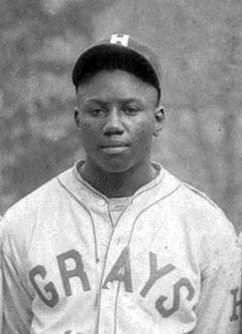
Josh Gibson

Gibson was a catcher in the Negro Leagues whose documented performance, including home run totals that, by multiple statistical reconstructions, exceeded Babe Ruth’s, was never evaluated on equal institutional terms because MLB exclusion prevented direct comparison.


He died in January 1947, three months before Jackie Robinson integrated MLB, of a stroke at thirty-five. Contemporaries including Walter Johnson publicly stated Gibson was the most gifted catcher they had seen. His exclusion from MLB means that the institutional record of American baseball’s greatest hitters does not include him because the institution that maintains that record excluded him from participation. He was inducted into the Baseball Hall of Fame in 1972.

USA

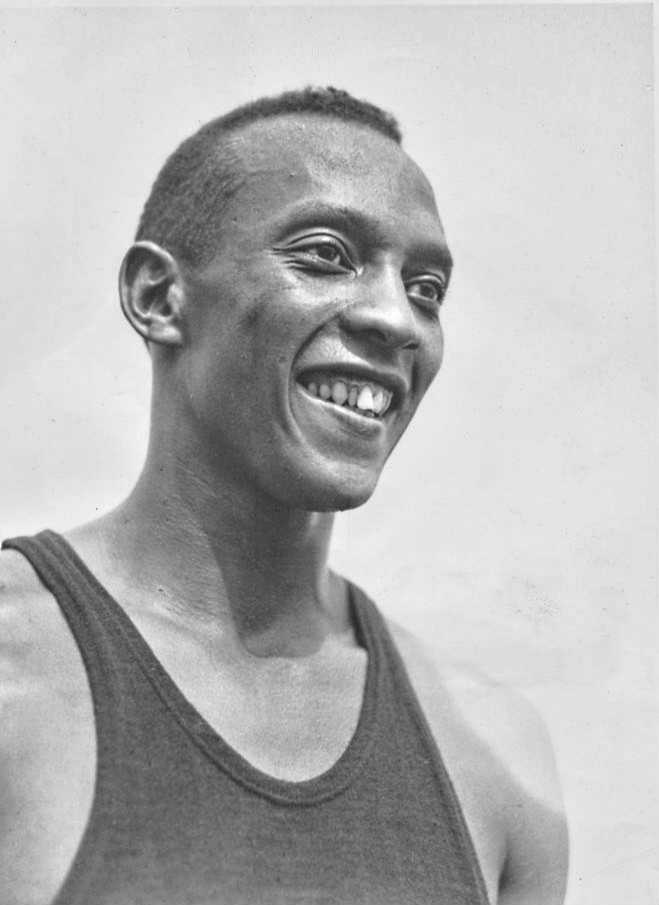
Jesse Owens

Jesse Owens won four gold medals at the 1936 Berlin Olympics - 100m, 200m, long jump, and 4×100m relay - in front of a regime that had made racial ideology central to its public spectacle. His performances did not dismantle Nazi racism, but they made its claims of innate superiority impossible to narrate honestly in the stadium, and they became one of the most cited athletic refutations of racial hierarchy in modern Olympic memory.


His victories remain among the most significant achievements in track and field history because they were measured under global scrutiny at a moment when Black excellence was both hyper-visible and politically dangerous. Owens’s technical range - sprint speed, curve running, long jump mechanics, and relay exchange precision - also demonstrated the breadth of skill required to win across disciplines in a single Games.


He returned to a segregated United States where President Franklin Roosevelt did not invite him to the White House with white Olympic teammates, and where commercial opportunity did not match his fame. The contrast between international celebration and domestic second-class citizenship framed much of his later life and has been widely discussed as a case study in how American institutions celebrated Black athletic labor while withholding full civic recognition.

Brazil

Leônidas da Silva and the Brazilian Black Football Tradition

Leônidas da Silva, the “Black Diamond,” was Brazil’s dominant player of the 1930s and is credited with popularizing or developing the bicycle kick; he was the top scorer at the 1938 World Cup. The Brazilian football system during this period operated a racial hierarchy in which darker-skinned players were disproportionately used in physically demanding roles and lighter-skinned or white players were preferentially placed in creative and leadership positions - a structure documented by sociologist Roger Bastide and challenged by the success of players like Leônidas, Pelé, and later Zico’s contemporaries.


The persistence of under-representation of Black Brazilians in coaching and administrative roles in the Confederação Brasileira de Futebol documents that the integration of Black players into the game did not produce integration of the institutional structures that governed it.

USA

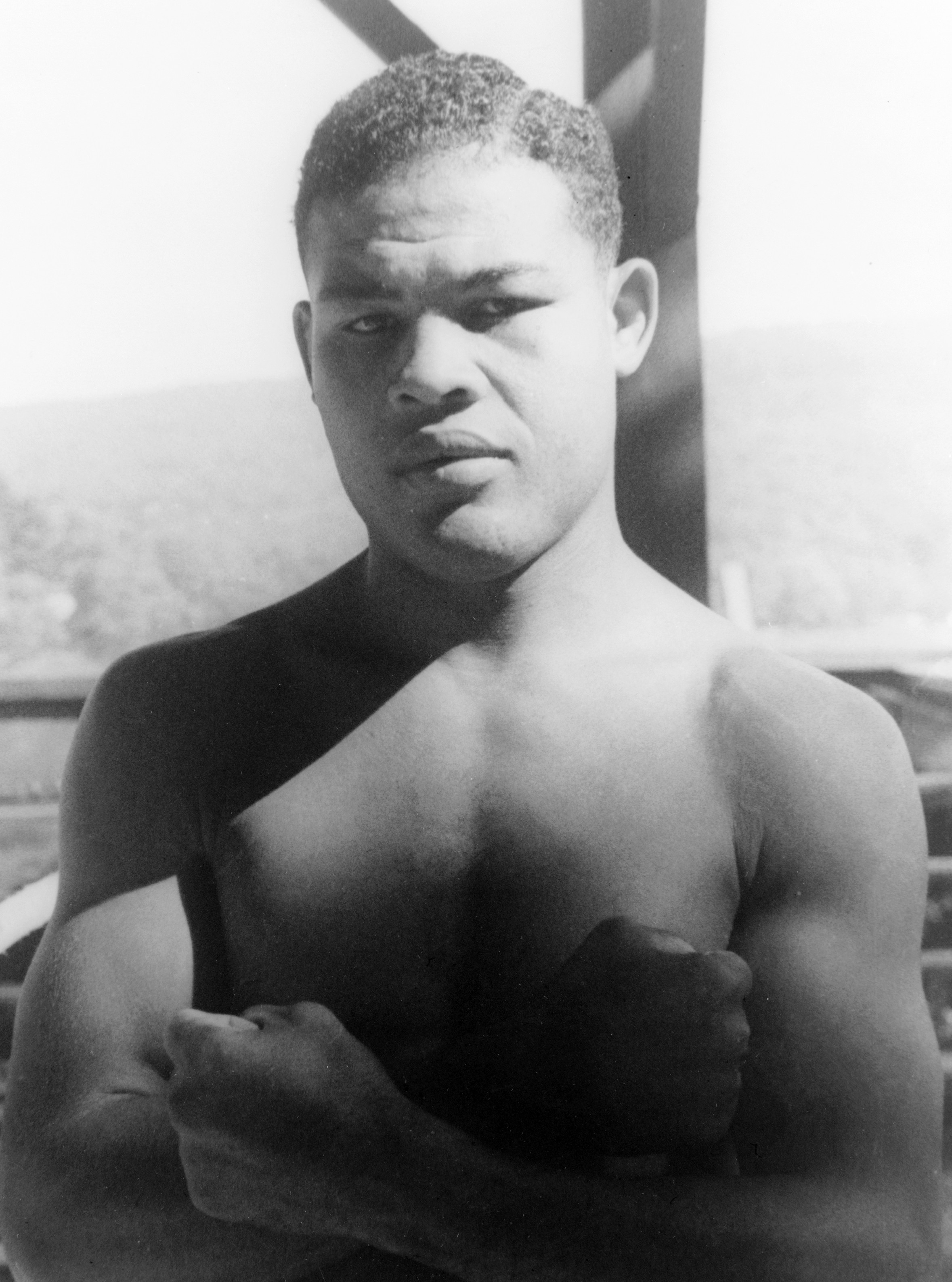
Joe Louis

Louis held the world heavyweight boxing championship from 1937 to 1949, the longest reign in the division’s history, with twenty-five successful title defenses. During World War II, he donated two purses to military relief funds and enlisted in the Army, where he was used extensively for propaganda and morale purposes.


The U.S. government subsequently pursued him for income taxes on the donated purses and on income earned during his active championship years, leading to a tax debt that compounded through his retirement years. The government that used his image and labor for war purposes made no provision for the tax obligations that service created. He died in 1981, his finances having never fully recovered. His manager, Mike Jacobs (white), retained the standard promotional share that left Louis with a fraction of the revenue his performances generated.

USA

Jackie Robinson

Robinson integrated Major League Baseball with the Brooklyn Dodgers on April 15, 1947, under conditions negotiated by Branch Rickey that explicitly required Robinson to absorb racial abuse - physical, verbal, and institutional - without public response, a constraint placed on no white player. The conditions of his recruitment included an agreement to perform dignity under dehumanization as the price of access. Robinson testified before the House Un-American Activities Committee in 1949, initially appearing to distance himself from Paul Robeson’s political positions - testimony he later characterized as a mistake.


In later life, he broke publicly with the Republican Party, which he had supported, writing that he had been naive about its racial politics. Retired number 42 across all of MLB in 1997 marks the date but not the conditions of what integration required of the person who performed it.

USA

Wendell Scott and Black NASCAR History

Scott competed in NASCAR’s premier series from 1961 to 1973, the only Black driver to do so during that period. He won a race at Jacksonville in 1963 but the trophy was initially awarded to the white runner-up; NASCAR corrected the result hours later but Scott never received the trophy in victory lane. He was unable to attract sponsorship equivalent to white drivers of comparable performance, as corporate sponsors were unwilling to associate their brands with a Black driver marketing to predominantly white Southern audiences.


No Black driver has competed regularly at NASCAR’s top level since Scott’s retirement, with the exception of Bubba Wallace beginning in 2018. The structural exclusion from sponsorship, which determines team budgets, equipment quality, and competitive viability, has been the primary mechanism of exclusion in the post-Scott era.

USA

Alice Coachman

Alice Coachman became the first Black woman from any country to win an Olympic gold medal, clearing 1.68 meters in the high jump at the 1948 London Olympics. She had already won ten consecutive American Tennis Association (ATA) national outdoor high jump titles before the Games, documenting a sustained dominance in Black-organized competition that mainstream white institutions did not record with the same attention they gave segregated white circuits.


She grew up in rural Georgia under Jim Crow, barred from public athletic facilities and training by running barefoot on dirt roads and improvising hurdles from rope and sticks. That training path was not an anecdote of individual grit alone; it reflected the structural denial of facilities, coaching, and travel support that shaped how Black women athletes had to build excellence outside the resources white competitors took for granted.


Her hometown of Albany, Georgia, held a parade for her return but did not allow her to speak at the segregated event - a public celebration that still enforced racial hierarchy. Coachman’s gold medal made visible what segregated sport had tried to keep invisible: that Black women were already producing world-class performances when given a lane to the Olympic stage.

USA

Mal Whitfield

Whitfield won Olympic gold medals in the 800m at the 1948 and 1952 Olympics, was a decorated Air Force veteran of the Korean War, and afterward spent decades coaching athletics programs across Africa under State Department sponsorship - helping to build the infrastructure of East African distance running. His coaching work in Kenya, Ethiopia, and across the continent was instrumental in the development of competitive distance running programs, yet it was conducted in a period when the United States used Black athletes as diplomatic instruments of Cold War cultural competition while those same athletes faced legal segregation at home.


The contradiction between Whitfield’s deployment as an American representative abroad and his status as a second-class citizen domestically was a structural feature of Cold War sports diplomacy.

USA

Althea Gibson

Gibson became the first Black player admitted to United States Lawn Tennis Association events in 1950 only after the American Tennis Association and journalist Alease Gibson campaigned publicly for her inclusion - the USLTA did not act on its own initiative. She won the French Open in 1956, Wimbledon and the US Open in 1957 and 1958, and the Associated Press Female Athlete of the Year award in both years. She received no endorsement contracts during her career because no sponsor would put a Black woman’s image on a mainstream American consumer product.


Following retirement from tennis she played the LPGA golf tour, and in both sports she died in poverty, having earned from her athletic excellence only the prize money that the amateur rules of her era permitted - far less than the commercial value her presence generated for the institutions that held her tournaments.

Ethiopia

Abebe Bikila

Bikila won the Olympic marathon at the 1960 Rome Games running barefoot - not as a deliberate political statement, as some accounts have framed it, but because his supplied shoes caused blisters during training and he had trained without shoes. He was the first sub-Saharan African to win an Olympic gold medal. He repeated in Tokyo in 1964, with shoes, setting a world record, becoming the first person to win consecutive Olympic marathons.


His success was central to the Ethiopian Athletics Federation’s subsequent development of a systematic national distance-running program; it established the institutional model that Kenya and other East African nations would subsequently adopt. He was paralyzed in a car accident in 1969 and competed in the 1970 Paralympic archery event before his death in 1973.

USA

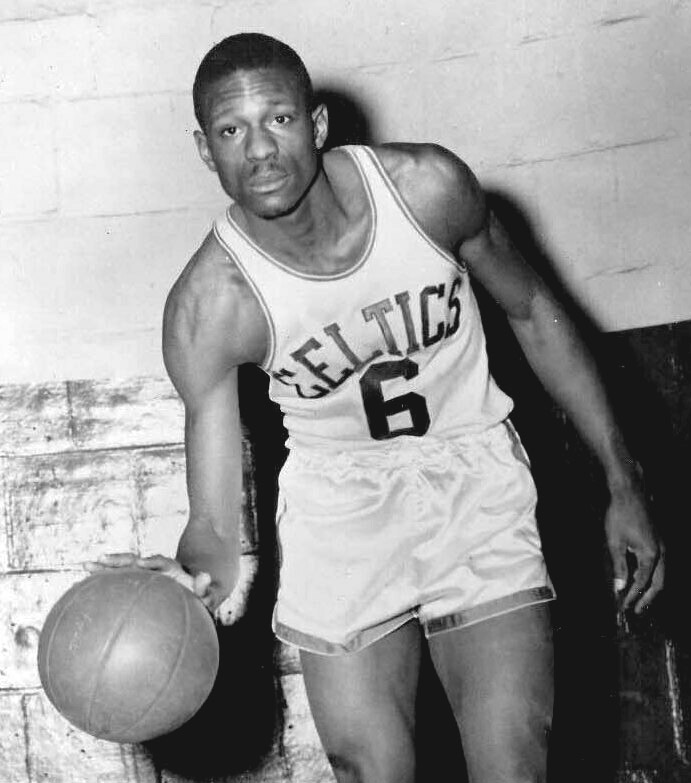
Bill Russell

Russell won eleven NBA championships in thirteen seasons with the Boston Celtics, a record unmatched in North American professional sport, while playing in a city he consistently described as among the most racist in the United States. His home in Reading, Massachusetts, was broken into and vandalized - his trophy case smashed, his beds defecated in - by white residents. The Celtics organization played in a city whose public housing, school, and labor systems were among the most formally segregated in the North, a condition Russell named publicly and repeatedly.


He became the first Black head coach of a major American professional sports team in 1966, coaching the Celtics to two additional championships. His refusal to participate in what he described as the performance of gratitude expected of Black champions made him a contested figure in sports media during and after his career.

USA

Lee Elder

Lee Elder became the first Black golfer to compete in the Masters Tournament at Augusta National in 1975, breaking a color line that had kept the tournament’s field entirely white since its founding in 1934. His qualification was not a gift of integration from a welcoming institution; it was the outcome of sustained performance on tour under sponsorship and access conditions far narrower than those available to white peers.


Augusta National admitted no Black members until 2012, when it admitted former U.S. Secretary of State Condoleezza Rice and businesswoman Darla Moore after years of public pressure, including a national campaign led by Martha Burk. For decades the club hosted the sport’s most commercially visible major while its membership policy treated Black wealth and Black citizenship as incompatible with full belonging in the institution that staged the event.


Elder’s participation therefore sits at the intersection of athletic labor and club governance: Black players generated audience and revenue for tournaments held at venues that excluded them as members. That structural arrangement outlasted Elder’s playing career and frames how historians read “progress” in American golf - as much about who controls gates and dues as about who can tee off on Thursday.

USA

Rafer Johnson

Johnson won the Olympic decathlon gold medal at the 1960 Rome Olympics and was selected by his teammates to carry the American flag during the opening ceremony - the first Black athlete to hold that role in U.S. Olympic history. He had won a silver medal at Melbourne in 1956. The decathlon gold in Rome came in a competition against his UCLA teammate C.K. Yang of Taiwan, with whom he trained.


Johnson was later present at the Ambassador Hotel in Los Angeles in 1968 when Robert F. Kennedy was assassinated and helped subdue the shooter. His institutional role in American athletics - as an establishment figure who navigated racial politics through personal excellence rather than public confrontation - contrasts with contemporaries who chose more visible resistance.

USA

Curt Flood

Flood, a center fielder for the St. Louis Cardinals, refused a trade to Philadelphia in 1969 and challenged MLB’s reserve clause in federal court, ultimately losing in the Supreme Court (1972) but establishing the legal and political framework that produced free agency. He wrote to Commissioner Kuhn: “After 12 years in the major leagues, I do not feel I am a piece of property to be bought and sold irrespective of my wishes.” He framed the reserve clause - which bound a player to his team indefinitely without requiring consent - in the language of labor rights and human dignity. He lost his career as a result and spent years in self-imposed exile in Europe.


Free agency was implemented in 1976; Flood did not benefit from it. The Players Association’s subsequent collective bargaining produced economic conditions he made possible and never enjoyed.

Brazil

Pelé (Edson Arantes do Nascimento)

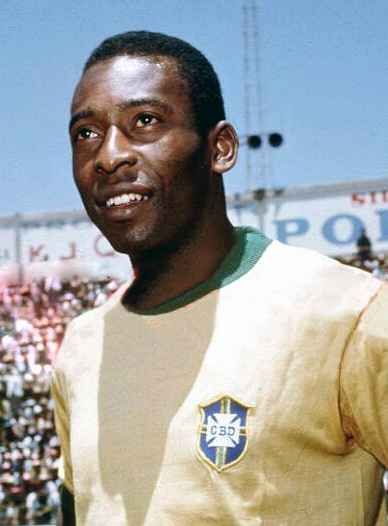
Pelé won three FIFA World Cups (1958, 1962, 1970) with Brazil and became the most commercially marketed footballer of his era. Brazilian football’s internal racial politics during this period positioned Black players disproportionately in attacking and creative roles while coaching, administrative, and executive positions in Brazilian football governance remained overwhelmingly white. The Brazilian Football Confederation’s record of employing Black executives, coaches, or administrators is distinct from its record of using Black athletes to generate revenue and national prestige.


His public persona was managed to minimize the political dimensions of his Blackness, and thus was marketed globally as a transcendent athletic figure rather than as a Black Brazilian; a construction that served Brazilian nationalism’s interest in projecting racial democracy rather than acknowledging its structural anti-Blackness.

USA

Wilma Rudolph

Rudolph won three sprint gold medals at the 1960 Rome Olympics - the first American woman to win three gold medals in a single Olympics - after surviving polio in childhood that required her to wear a brace until age twelve. Her return to Clarksville, Tennessee, prompted what was planned as a segregated parade; she refused to participate unless it was integrated, and Clarksville’s welcome parade became the first integrated public event in the city’s history. Her athletic program, the Tigerbelles at Tennessee State University under coach Ed Temple, produced multiple Olympic champions and operated on a budget structurally inferior to programs at predominantly white universities.

USA

Muhammad Ali (Cassius Clay)

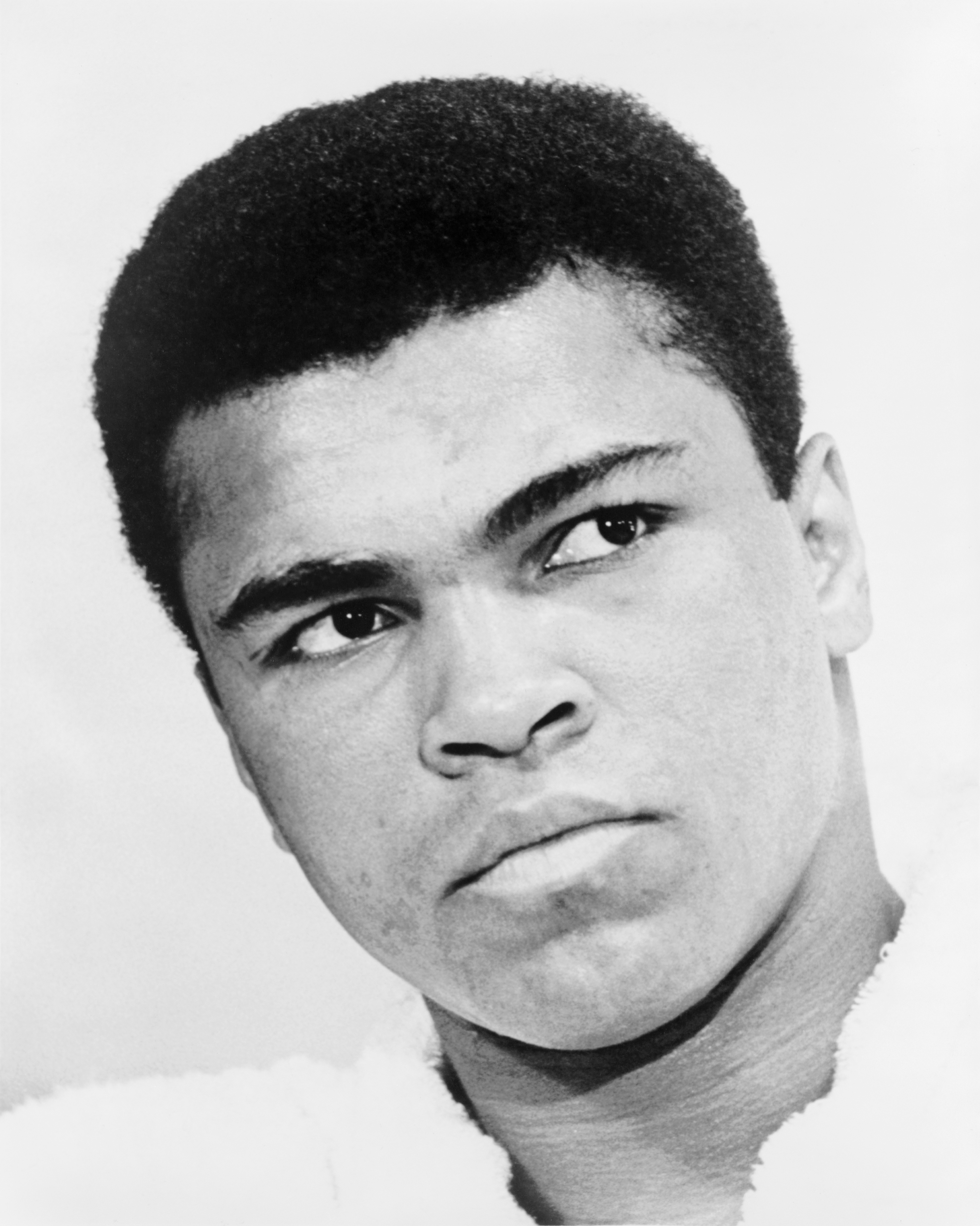
Ali won the Olympic light heavyweight gold medal in Rome in 1960, won the world heavyweight championship by defeating Sonny Liston in 1964, converted to Islam and changed his name, and refused military induction in 1967 on religious and political grounds - a refusal that cost him the championship, his boxing license, and his passport. The Supreme Court reversed his conviction unanimously in 1971.


The years from 1967 to 1970 represent the confiscation of the peak of his career by state action taken for political reasons. His willingness to articulate an analysis of American racism - “I ain’t got no quarrel with them Viet Cong,” - made him a target of federal surveillance and the subject of organized public hostility that required the Supreme Court to undo. His later career boxing, including the Thrilla in Manila and the Rumble in the Jungle, occurred after years of enforced inactivity; neurological damage from blows absorbed in those later bouts contributed to the Parkinson’s syndrome that defined his final decades.

USA

Arthur Ashe

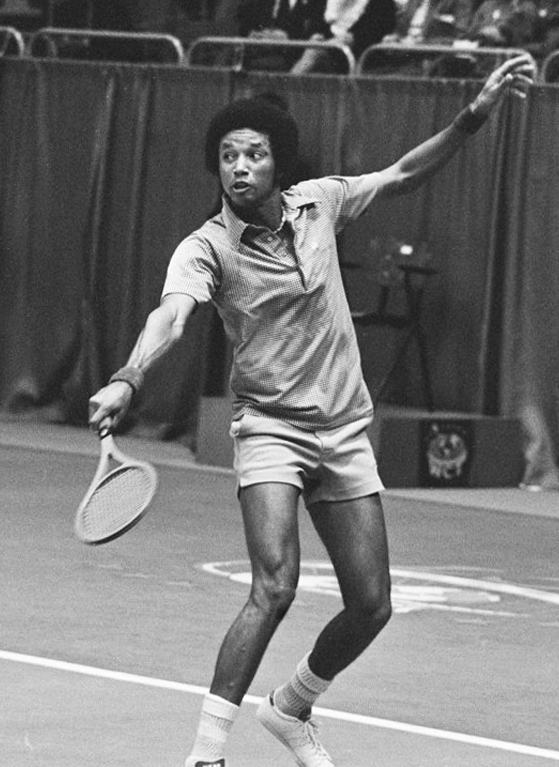
Ashe won the US Open in 1968 as an amateur - meaning he could not accept prize money - and Wimbledon in 1975; in each case he was the first Black man to win the singles title at that major championship. He was denied a visa to compete in the South African Open multiple times due to his anti-apartheid position and used those refusals to advocate for South Africa’s expulsion from international tennis.


He contracted HIV through a blood transfusion during heart surgery in 1983, kept his diagnosis private, and was forced to disclose it publicly in 1992 after USA Today informed him they intended to publish the information - a disclosure without his consent that he described as the greatest indignity of a life in which he had navigated systemic racism as a professional. He died in 1993. His book “A Hard Road to Glory” (1988) is a systematic documentary history of Black American athletic achievement.

USA

Wyomia Tyus

Tyus won the 100m at the 1964 Tokyo Olympics and repeated in 1968 Mexico City, becoming the first person - male or female - to successfully defend an Olympic sprint title. She dedicated her 1968 gold medal to Tommie Smith and John Carlos, who had been expelled from the Games. Despite this double achievement, she received substantially less media attention and no endorsement contracts equivalent to those offered to white female Olympic champions of comparable stature.


She has stated in interviews that the lack of commercial recognition was explicit and unambiguous. Her place in sprint history - as the first repeat Olympic 100m champion - was absent from standard sports histories for decades.

USA

Harlem Globetrotters (collective)

The Harlem Globetrotters, founded in 1926 and touring from a Chicago base despite the “Harlem” branding, served for decades as the primary institution in which Black basketball players could earn a professional livelihood in the United States. Their performance style, combining exhibition basketball with comedy and athleticism, was developed in part because the entertaining presentation made them acceptable to white audiences in a way that straight competition might not have been.


When the NBA integrated, the Globetrotters’ most competitive players were absorbed into NBA rosters, destroying the Globetrotters’ ability to compete seriously while the comedy-exhibition identity was retained as the institution’s permanent public character. The transition from competitive showcase to permanent exhibition represents the structural result of integration that absorbs labour without preserving the institutions that produced it.

UK (of Nigerian/Scottish descent)

Daley Thompson

Thompson won the Olympic decathlon in 1980 and 1984, setting four world records. He was the dominant figure in a multi-event discipline that requires mastery of ten track and field events and is considered among the most physically demanding in athletics. His reception in Britain was complicated by his visible resistance to the performance of gratitude expected of Black British athletes - he was frequently characterized in British sports media as arrogant or difficult, a characterization applied with particular consistency to Black athletes who declined to perform deference.


His career coincided with a period of intense racial violence in British cities, including the 1981 Brixton uprising, and he did not publicly align himself with Black British political movements - a position that itself represents a political choice made under structural conditions that offered Black athletes visibility only within narrow parameters.

USA

Florence Griffith Joyner (Flo-Jo)

Griffith Joyner set world records in the 100m (10.49 seconds) and 200m (21.34 seconds) at the 1988 U.S. Olympic Trials and Seoul Olympics that have not been broken as of 2026. She was subjected to persistent allegations of performance-enhancing drug use for which no positive test was ever documented; the allegations were widespread in athletics media during and after her career. She died of an epileptic seizure in 1998 at age thirty-eight.


The persistence of doping allegations without evidence against a Black female athlete who produced performances that white competitors could not approach represents a specific pattern: extraordinary Black athletic performance interpreted through suspicion rather than recognition. The world records stand.

USA

Carl Lewis

Lewis won four gold medals at the 1984 Los Angeles Olympics (100m, 200m, long jump, 4×100m relay), equaling Jesse Owens’s 1936 record. His subsequent career produced nine Olympic gold medals total - the most by any track and field athlete.


He was denied the commercial endorsement contracts his performance would have predicted: Converse, Nike’s competitor, passed on him; Nike’s own initial endorsement offer was below what his performance justified. Lewis has stated that American corporate sponsors were unwilling to build campaigns around a Black male athlete whose public persona did not conform to the aggressive/entertainment archetype that made Black male athletes commercially acceptable to white consumers. He was later given an endorsement structure by Nike, but the initial reluctance documented the filtering mechanism through which athletic excellence was converted - or not - into commercial value for Black athletes.

Caribbean (West Indies)

West Indies Cricket (Clive Lloyd and Frank Worrell era) (collective)

The West Indies cricket team functioned between roughly 1960 and 1995 as the primary institution of post-colonial Caribbean political identity, representing a political unit - the West Indies Federation - that had failed to become a nation-state. Frank Worrell became the first Black man to captain the West Indies on a full tour in 1960 (earlier tours had used a white captain despite having majority-Black squads), revealing that the previous arrangement had been a racial one maintained by the cricket board despite having no formal policy.


Clive Lloyd’s teams of the late 1970s and 1980s, which dominated international cricket for nearly a decade, were built on pace bowling and aggressive batting developed in an era when Lloyd navigated constant disputes with the West Indian Cricket Board over player pay and conditions. The players who joined Kerry Packer’s World Series Cricket in 1977 did so partly because the Board’s pay scale was exploitative relative to the commercial value their performances generated.


The era’s legacy is therefore inseparable from labor: Caribbean players translated post-colonial pride into on-field supremacy while repeatedly confronting boards and broadcasters over who captured the value that supremacy created. Later declines in West Indies men’s team rankings do not erase the period when the eleven functioned as the hemisphere’s most visible institution of Black collective excellence in a sport invented and long governed as an Anglo imperial game.

USA

Tommie Smith and John Carlos

Smith won the 200m at the 1968 Mexico City Olympics in world record time; Carlos won bronze. On the medal stand, both raised black-gloved fists during the American national anthem, bowed their heads, and wore no shoes - a composite gesture representing Black poverty, Black power, and Black unity. They were expelled from the Olympic Village within forty-eight hours by IOC president Avery Brundage, the same official who had refused to cancel the 1936 Berlin Games after Nazi racial legislation was enacted.


Australian silver medalist Peter Norman wore an OPHR badge in solidarity on the stand; the Australian Olympic Committee excluded Norman from the 1972 Munich team despite his qualifying for it, and his institutional treatment by Australian athletics authorities remained hostile until after his death in 2006. Smith and Carlos returned to the United States to death threats, loss of income, and decades in which their gesture was narrated by mainstream American sports media as an embarrassment rather than a political act.

UK

Kelly Holmes

Holmes won the 800m and 1500m at the 2004 Athens Olympics - the first British woman to win two gold medals at a single Olympics. She was appointed Dame Commander of the Order of the British Empire in 2005.


She publicly disclosed her sexuality and her history of self-harm during her athletic career in 2022, stating she had concealed both for fear of the consequences to her career and personal safety in a British military and sporting culture that was hostile to both. Her disclosure documented the compounded conditions under which Black British women athletes operated - managing race, gender, and sexuality in institutions whose tolerance for each had discrete and restrictive limits.

USA

Arthur Ashe's "A Hard Road to Glory"

Ashe spent years assembling “A Hard Road to Glory” (1988), a three-volume documentary history of Black American athletic achievement covering boxing, baseball, basketball, football, and individual sports. The project was motivated by Ashe’s recognition that no systematic institutional record existed - that the history of Black athletic excellence had been preserved in Black newspapers, oral tradition, and individual archives rather than in the mainstream sports institutions that had benefited from Black athletic labor.


The work established that the absence of a record was itself a political act by the institutions that controlled record-keeping, not evidence of absence of achievement.

Mozambique

Maria de Lurdes Mutola

Maria de Lurdes Mutola became one of the greatest 800-metre runners in track history, winning Olympic gold at Sydney 2000 and collecting multiple World Championship and World Indoor Championship titles across the 1990s and 2000s. She represented Mozambique at six Olympic Games, sustained elite form for nearly two decades, and remained internationally competitive far longer than most middle-distance athletes.


Mutola’s importance is not only in medals. Competing from Mozambique in an era when global athletics infrastructure and sponsorship were concentrated in Europe and North America, she built a career that expanded what athletes from Lusophone and Southern African contexts could expect on the world stage. Her consistency, tactical intelligence in championship racing, and long-term excellence made her a foundational figure in African women’s athletics and a model for athletes balancing national representation with global professional competition.

Ethiopia

Haile Gebrselassie

Gebrselassie set twenty-seven world records in distance running and won Olympic gold medals in the 10,000m at the 1996 Atlanta and 2000 Sydney Games. His development was supported by the Ethiopian national athletics program that Abebe Bikila’s 1960 success helped create.


His training was conducted at altitude in Addis Ababa using facilities that were substantially less resourced than those available to European and American competitors, making the performance margin he produced against better-resourced competitors a function of both individual excellence and systematic training discipline developed without equivalent institutional support.

Kenya

Tegla Loroupe

Loroupe was the first African woman to win the New York City Marathon (1994) and set world records in the women’s marathon. She competed during a period when Kenyan women’s distance running was just developing its international presence, facing both the structural obstacles facing women in Kenyan athletics (which was organized primarily around male runners) and the general absence of commercial support for women’s distance running relative to men’s.


She subsequently founded the Tegla Loroupe Peace Foundation and organized athletic events in conflict zones in East Africa, using sport as a peacebuilding instrument.

USA

Tiger Woods

Tiger Woods rewrote golf’s benchmarks for sustained excellence across professional golf: major championships measured in double figures, PGA Tour victories at a volume reached by only the sport’s legends, extended spells as world No. 1 while competitors rebuilt their swings to chase his athletic standard, and comeback wins deep into his forties including the 2019 Masters nearly eleven years after his last major title.


He won his first Masters in 1997 at age twenty-one by twelve strokes, shooting −18, at the time the largest winning margin in Masters history at Augusta National, a venue that historically excluded African American members throughout most of Woods’s formative years while hosting the game’s most storied championship. Augusta National admitted its first African American member in 1990; Woods competed for years against the backdrop of a club that epitomised golf’s segregation of wealth and access. Woods described his ancestry with the term Cablinasian, reflecting Black, Thai, Chinese, Indigenous American, and white heritage; U.S. media often collapsed that complexity according to prevailing racial narratives regardless of how he labelled himself.


His dominance broadened television audiences beyond golf’s traditional demographic during the late 1990s and early 2000s, enlarged purses and sponsor investment, drove international growth of the PGA Tour narrative, and made athletic conditioning and power-ball flight central to men’s professional expectation. Serious injuries and surgeries interrupted prime years yet his eventual return validated one of elite sport’s most watched second acts.

USA

Venus Williams

Venus Williams won seven Grand Slam singles titles (five at Wimbledon, two at the US Open), reached world No. 1 in singles, and with her sister Serena Williams captured fourteen Grand Slam women’s doubles titles. She won Olympic gold in singles at Sydney 2000 and Olympic gold in doubles with Serena at Sydney 2000, Beijing 2008, and London 2012, anchoring one of the most successful sibling partnerships in modern sport. Her game, built around explosive first-strike serving and aggressive court coverage on fast surfaces, helped define the power baseline era in women’s tennis.


Off the court she became a visible advocate for equal prize money at the Grand Slams, including a widely circulated 2006 open letter that framed Wimbledon and the French Open’s unequal payouts as indefensible for a sport that marketed itself as global and meritocratic. Wimbledon announced equal prize money for women and men in 2007; the French Open followed in the same cycle. That public campaign, led in part by Venus as the reigning Wimbledon champion, is widely credited with shifting how tennis institutions justified pay policy to sponsors, broadcasters, and the public.


Her openness about living with Sjögren’s syndrome after her 2011 diagnosis, and her return to deep runs at majors while managing a chronic illness, widened public conversation about athlete health, career longevity, and what elite performance can look like under long-term medical constraint. Across decades in the tour’s spotlight, Venus Williams helped change who was imagined at the center of tennis history: not only as a champion of titles, but as a figure who linked athletic achievement to labor rights, gender equity, and Black women’s authority in a sport built around white country-club networks.

USA

Serena Williams

Serena Williams won her first Grand Slam singles title at the 1999 US Open at age seventeen and finished with twenty-three Grand Slam singles titles, the most in the Open Era. She spent 319 weeks ranked world No. 1, won four Olympic gold medals, and remained a title contender across more than two decades in a sport that usually has short peaks. Her style of play, combining explosive serve power with elite movement and defensive recovery, changed the tactical baseline of women’s tennis and influenced a generation of players who trained to meet the physical standard she set.


Her impact also reached beyond results. Alongside Venus Williams, she helped force global tennis institutions to confront pay equity, media bias, and the treatment of Black women athletes in elite spaces historically shaped by white wealth and social networks. Her career became a public case study in how race, gender, and motherhood were discussed in sports coverage: she won while pregnant, returned after life-threatening childbirth complications, and continued competing at the highest level. Serena’s legacy is both statistical and structural - she did not only win titles, she changed what dominance in modern women’s tennis looks like and who is seen as central to the sport’s story.
Somalia / UK

Mo Farah

Farah won the 5,000m and 10,000m at both the 2012 London and 2016 Rio Olympics - four gold medals - as a British citizen who arrived in the United Kingdom from Somalia at age eight. In 2022 he publicly disclosed that he had been trafficked to the UK as a child, a disclosure that reframed his national narrative as a story of survival under conditions of human trafficking rather than the straightforward immigration success narrative that had surrounded his British identity.


His Somali birth name is Hussein Abdi Kahin; he was given the name Mohamed Farah by the family he was placed with. His citizenship and public celebration as a British hero occurred simultaneously with British immigration policy that was systematically hostile to Somali nationals - a structural contradiction between individual Black athletic celebration and collective treatment of the population from which the athlete came.

Kenya

Eliud Kipchoge

Kipchoge ran 1:59:40 for the marathon distance on October 12, 2019, in Vienna - the first human to complete the distance under two hours. The performance, conducted under controlled conditions with rotating pace-setters in a Nike-sponsored event called the INEOS 1:59 Challenge, did not qualify as an official world record under World Athletics rules because of the organized pacing assistance. His official world record stands at 2:01:09.


The Vienna performance was funded by a British multinational (INEOS, a petrochemical company owned by Jim Ratcliffe) and staged as a Nike product demonstration - two European commercial entities organized the conditions under which an East African athlete’s historic performance was achieved and commercially packaged. His development occurred in Kenya’s Rift Valley training infrastructure without the altitude chambers, biomechanical analysis equipment, or nutrition science resources standard in European and American distance running programs.

USA

LeBron James

James entered the NBA directly from high school in 2003, under a draft system that later moved to restrict direct entry, a restriction critics noted fell disproportionately on Black athletes from lower-income backgrounds for whom high school-to-pro was a rational economic choice given their families’ circumstances. His transition from player to business owner, including his media production company SpringHill Entertainment and ownership stakes in multiple enterprises - challenged the assumption that Black athletes should occupy the performer role while ownership remained white.


When Fox News host Laura Ingraham told him in 2018 to “shut up and dribble,” she articulated the structural expectation that Black athletic labour should remain within the category of performance and not extend to political or economic speech. His I Promise School in Akron, opened in 2018, provides free public school education, meals, uniforms, bicycles, and college tuition guarantees to Akron students - a privately funded intervention in a publicly funded system that had failed the same population.

Jamaica

Usain Bolt

Bolt won the 100m, 200m, and 4×100m relay at the 2008 Beijing Olympics, the 2012 London Olympics, and the 2016 Rio Olympics - nine Olympic gold medals in the three events, with world records in all three (9.58, 19.19, and with the Jamaican relay team). His dominance extended over a period during which drug testing in sprinting was the most intensive in athletics history, and he has never produced a positive test.


The Jamaica Athletics Administrative Association, which developed him, operated on budgets that were a fraction of those available to American and European athletics programs. His commercial profile was the largest in track and field history, producing endorsement revenues that went principally to global brands (Puma, Gatorade, Visa) rather than to Jamaican athletics infrastructure.

USA

Colin Kaepernick

Kaepernick began kneeling during the national anthem before NFL games in 2016 to protest police violence against Black Americans. He became a free agent after the 2016 season and was not signed by any NFL team, despite demonstrated competitive competence. In 2017, he filed a grievance against the NFL for collusion; the league settled for a reported amount in the range of $60–80 million (undisclosed) in 2019 without admitting wrongdoing.


The NFL subsequently implemented a national anthem policy, reversed it under criticism, and eventually publicly stated that it should have listened to players’ concerns earlier - a sequence that acknowledged the political suppression while not reinstating Kaepernick. He remains unsigned by any NFL team as of 2026. Nike made him the face of a 2018 advertising campaign - a commercial appropriation of his act of labor sacrifice that generated revenue for Nike without restoring his employment.

Canada (of Jamaican origin)

Ben Johnson

Johnson won the 100m at the 1988 Seoul Olympics in a world record and was stripped of the medal and record after testing positive for stanozolol. The subsequent investigation (the Dubin Inquiry) revealed that doping was widespread in elite sprinting and that Johnson’s positive test occurred in a context where many competitors, including some who benefited from his disqualification, were also doping.


Ben was made a singular symbol of athletic fraud in a competition in which multiple medalists were subsequently implicated in doping violations. The racial and national dimensions of his singular punishment - as a Jamaican-Canadian Black athlete - relative to the more diffuse treatment of white competitors’ violations have been documented by scholars of sport and race.

South Africa

Caster Semenya

Semenya won the 800m at the 2009 World Championships and was immediately subjected to “sex verification” testing by the IAAF - without her consent, without prior notification, and the initiation of the process was leaked to media before she had been informed. She is intersex, with naturally elevated testosterone levels. The IAAF subsequently implemented regulations requiring intersex female athletes with testosterone above a threshold to either medically suppress their testosterone or be ineligible to compete in female events, a regulation applied almost exclusively to African women runners. The Court of Arbitration for Sport initially upheld the regulations; the Swiss Federal Supreme Court temporarily suspended them. The European Court of Human Rights found in 2023 that Switzerland had violated the European Convention on Human Rights in the case.


The targeting of African women’s natural physiology as a competitive violation, while no equivalent inquiry has been applied to other anatomical variations that produce competitive advantage - has been extensively documented as racialized and gendered in its application.

USA

Bubba Wallace (William Byron "Bubba" Wallace Jr.)

Wallace has raced full-time in NASCAR’s premier Cup Series since 2018, becoming the first Black driver to hold that role since Wendell Scott in the early 1960s, after years of part-time starts and developmental series competition.


In 2020, following the murder of George Floyd, he successfully advocated for NASCAR to ban the Confederate flag from its events - an institutional change that a white driver requesting it would not have faced the same personal exposure to make. A noose was found in his garage stall at Talladega Superspeedway in June 2020; subsequent FBI investigation concluded it was a pull-rope that had been in place before his garage assignment, and was not placed as a threat. The response - which included public skepticism directed at Wallace about the incident - illustrated the conditions under which Black athletes who raise racial concerns are subjected to a burden of proof not applied to the concerns of white athletes.

USA

Gabby Douglas

Douglas won the individual all-around gold medal at the 2012 London Olympics, the first Black woman to win that event. She was a member of USA Gymnastics, the organization that employed Larry Nassar as its team physician during a period when he was sexually abusing athletes; Douglas was among the athletes subjected to his abuse. USA Gymnastics’s institutional failure - which persisted for decades while complaints were raised and ignored - affected Black athletes, white athletes, and others.


Douglas’s post-Olympic media coverage was distinguished by commentary on her hair and appearance rather than her performance, a differentiation in coverage applied to her and not to white teammates who won equivalent medals.

USA

Simone Manuel

Manuel won the 100m freestyle at the 2016 Rio Olympics, the first Black woman to win an individual Olympic swimming gold medal. She was diagnosed with overtraining syndrome before the 2021 Olympic Trials, a condition that resulted from a training load that her body could not sustain. Black women’s participation in competitive swimming in the United States has been structurally limited by decades of exclusion from public pools and private swim clubs under segregation - an exclusion whose effects on the pipeline of Black swimmers into elite competition have been measured and documented.


Manuel’s excellence occurred against this background of structural underdevelopment and despite the absence of the infrastructure that would have accelerated more Black swimmers’ access to elite-level competition.

Haiti / Japan / USA

Naomi Osaka

Osaka holds four Grand Slam singles titles and was the highest-paid female athlete in the world in 2019 and 2020. Born to a Haitian father and Japanese mother, her Blackness was received within Japanese media and public culture with significant complexity; she has described not being accepted as Japanese because of her appearance, while also being othered within American discourse as insufficiently Black. She withdrew from the 2021 French Open citing mental health, refusing mandatory press conferences; she was fined and threatened with disqualification.


The institutional response, treating mental health advocacy by a young Black woman as a commercial obligation violation rather than a health disclosure, was widely criticized. She has spoken publicly about the specific experience of being a Black woman in a sport whose institutional culture was built around the assumption of white femininity.

USA

Noah Lyles

Lyles won the 100m at the 2024 Paris Olympics by five-thousandths of a second - the closest Olympic 100m finish in history - and sparked a public debate before the Games when he said that the NBA champion is not the “world champion” because it only includes American teams. He has spoken publicly about his OCD, ADHD, asthma, and dyslexia, and about the use of medication for these conditions - disclosures that intersect with anti-doping discourse in ways he has navigated explicitly.


His performance at Paris occurred after he contracted COVID-19 during the Games and competed in the 200m final visibly ill, finishing fourth. His public persona, politically and personally outspoken, refusing the performance of humility that American sports culture frequently expects of Black athletes, produced media characterization similar to that applied to Ali, Russell, and Carlos in earlier decades.

USA

Simone Biles

Biles won four gold medals at the 2016 Rio Olympics and is documented as the most decorated American gymnast in history. She was one of over 150 athletes who submitted victim impact statements in the Larry Nassar criminal case, testifying that USA Gymnastics and the U.S. Olympic and Paralympic Committee knew or should have known of Nassar’s abuse and failed to act.


At the 2020 Tokyo Olympics (held 2021), she withdrew from the team final and individual all-around after experiencing a case of “the twisties” - a dangerous dissociation between spatial awareness and body control that constitutes a genuine athletic safety risk in the discipline. The media response included substantial commentary characterizing her withdrawal as weakness or mental fragility, applied to a Black woman who withdrew for documented safety reasons in an institution whose own negligence had subjected her to years of sexual abuse. She returned at the 2024 Paris Olympics, winning three gold medals and a silver.

USA

Sha'Carri Richardson

Sha’Carri Richardson emerged as one of the fastest sprinters of her generation, winning the 100 metres at the 2023 World Athletics Championships in Budapest and helping the United States win relay gold there. That title run capped a return to global finals form after the disruption of the Tokyo Olympic cycle, when she had qualified for the team but did not compete in the 100m at the Games.


Her comeback showed elite resilience under public scrutiny: she rebuilt race execution in rounds, handled championship pressure, and re-established herself at the top of global sprinting rather than being defined solely by a single missed Olympic opportunity.


Beyond medals, her visibility and candor about grief and mental health made her an important cultural figure for younger athletes, especially Black women in track and field, who saw both excellence and vulnerability represented at world-class level - a combination still rare in how sprinting markets its stars.

USA

WNBA Players' Political Activism (collective)

WNBA players have engaged in more sustained political activism - on gun violence, Black Lives Matter, LGBTQ+ rights, and voting rights - than athletes in any major American professional sports league. In 2020, Atlanta Dream players, led by Renee Montgomery, publicly endorsed the Senate campaign of Reverend Raphael Warnock against their own team’s co-owner, Kelly Loeffler, who had publicly opposed BLM and the league’s social justice campaigns. Warnock won; Loeffler sold the team.


The WNBA’s player activism has occurred in the context of a league in which players earn dramatically less than NBA counterparts - a pay disparity whose persistence reflects the devaluation of Black women’s athletic performance relative to Black men’s and white athletes’ performance in mainstream sports media and commercial attention.

Who are we missing? Suggest an entry