Fashion & Design

Designers, tailors, and stylists who created iconic looks, techniques, and movements.

93 entries

Scroll to see where you are.

Southern Africa (present-day South Africa, Namibia, Botswana, Zimbabwe)

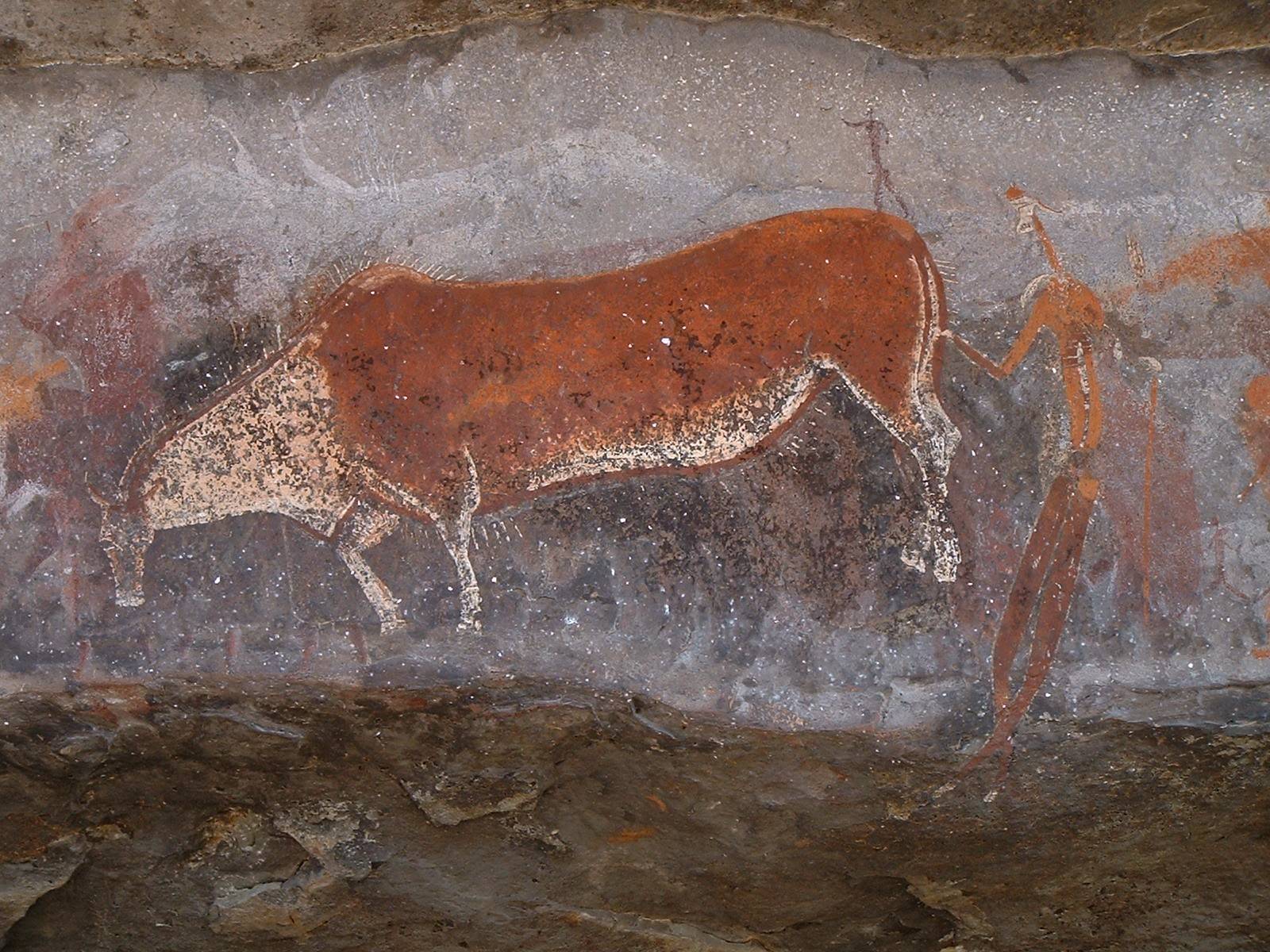
San Rock Artists

The San people of southern Africa produced the oldest continuous tradition of body adornment and patterned surface decoration in the world, including engraved ostrich eggshell beads dated to 27,000 BCE at Blombos Cave, South Africa — the earliest known personal ornament in the archaeological record.


Ochre body painting traditions documented at Blombos Cave extend to at least 100,000 BCE. These practices constitute the origin point of human decorative and design behaviour, predating any comparable European tradition by tens of thousands of years. Colonial anthropology classified these practices as “primitive” ritual rather than as design traditions, a categorisation that persisted in Western scholarship until the late 20th century.
Ancient Egypt

Ancient Egyptian Textile and Adornment Artisans

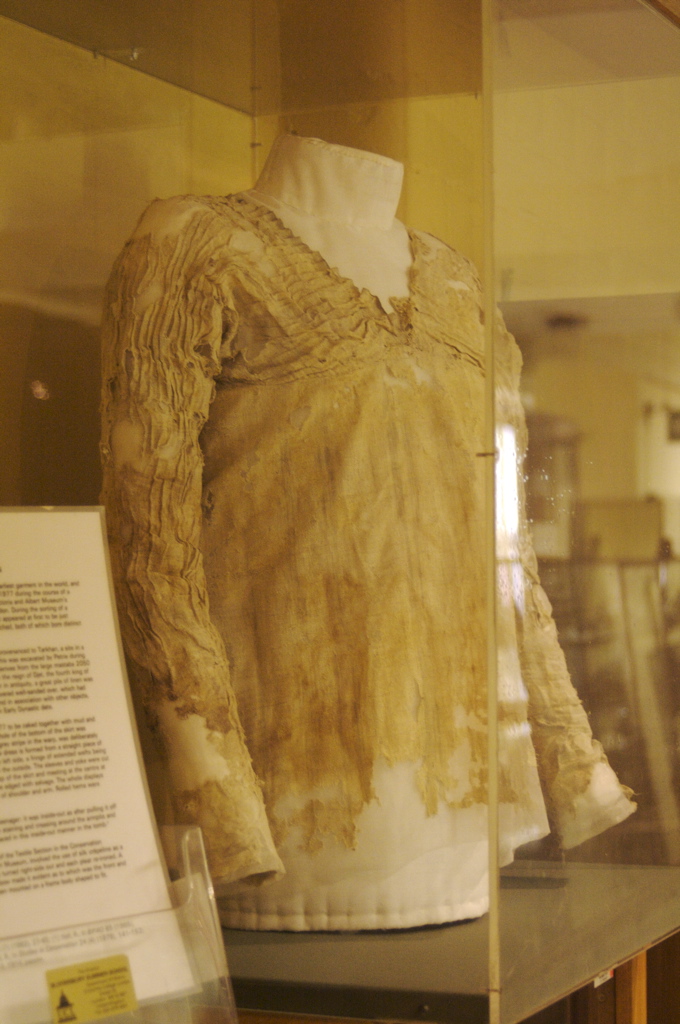
Weavers and artisans of Ancient Egypt developed fine linen production at thread counts exceeding 80 per centimetre (200 per inch), a fineness not matched in European textile manufacture until the Industrial Revolution, and produced pleated, draped garments of structural sophistication whose construction techniques remain partially unresolved in textile archaeology.


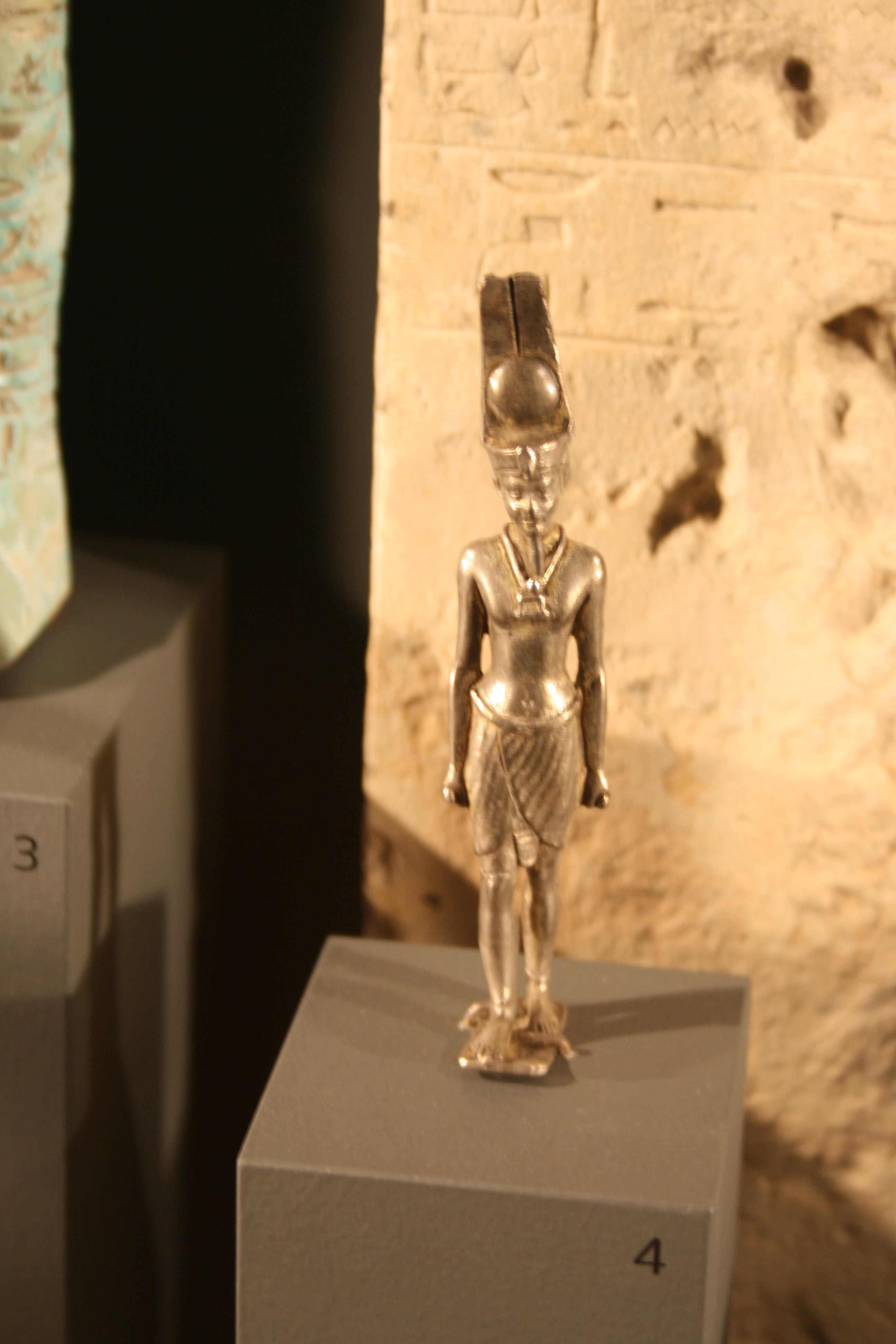
Egyptian jewellers developed the cloisonné technique, gold granulation at sub-millimetre scale, and faience glazing for personal adornment. The usekh collar, the sheath dress, the kalasiris, and the pleated linen robe were each formal design solutions to specific functional and social requirements. These textile and design traditions were the direct inheritance of Mediterranean and Near Eastern fashion for over 2,000 years.

Kingdom of Kush (present-day Sudan)

Nubian Textile and Adornment Artisans

Artisans of the Kingdom of Kush developed distinctive jewellery forms — including the amulet cap crown, elaborate gold and carnelian collars, and ram-headed amulets — that were technically distinct from Egyptian antecedents and influenced both the late Egyptian and early Meroitic decorative traditions.


Nubian textile traditions included wool weaving at a period when Egyptian practice was predominantly linen, and Nubian leather work was documented as a trade good sought by Egyptian courts. The Kushite decorative arts programme was systematically subordinated in colonial archaeology to the Egyptian tradition it partly preceded.

Johannesburg, South Africa

Cadelle Leather — Cynthia Sithole

Cynthia Sithole founded Cadelle Leather in Johannesburg, producing hand-crafted leather goods — bags, wallets, accessories — manufactured entirely in South Africa using locally sourced leather. Her business has been profiled as one of the most successful Black women-owned leather goods businesses in South Africa, operating in a sector dominated by international imports. She has trained multiple South African craftspeople in leather working and has used her platform to advocate for the development of South African manufacturing capacity in fashion accessories. Her label is part of the Made in Africa movement in South African fashion.

France / West Africa

Chloé Pissard

Chloé Pissard is a designer and researcher whose work systematically documents and archives the technical knowledge of West African textile artisans — weavers, dyers, embroiderers — as part of a design research practice that argues for the inclusion of African craft knowledge in global design education curricula. Her archive, built in collaboration with artisans in Senegal, Mali, and Côte d’Ivoire, is one of the most comprehensive documentation projects of West African textile design knowledge in existence.

Trinidad and Tobago / Canada

Deanna Radford

Deanna Radford was among the first Black Canadian designers to earn sustained institutional recognition, showing collections from the 1980s onward that braided Caribbean color, handwork, and tailoring literacy with Toronto’s garment district realities. She mentored younger Caribbean-Canadian designers and helped knit the city’s fragmented production scene into something closer to an ecosystem than a set of solo gigs.


Her insistence on patterning for varied body proportions and melanin-rich skin undertones anticipated conversations that luxury houses treated as marketing afterthoughts until the late 2010s.


Archiving her career matters because Canadian fashion histories still default to Montreal–Toronto Anglo-French lineages; Radford’s files show Black women directing aesthetics, labor ethics, and classroom pedagogy simultaneously.

Cameroon / USA

Kibonen

Kibonen (Nfi) founded her label in New York after studying at FIT, producing ready-to-wear collections using Cameroonian textiles — particularly toghu, the royal velvet of the Bamenda Highlands — in contemporary construction. She was among the first designers to use toghu in an international fashion context, bringing a specifically Cameroonian material design tradition into the global fashion vocabulary. Her label produces garments worn by prominent Black American women and has been profiled in media on African fashion design. Her work documents the ongoing expansion of African textile traditions into international fashion design outside the dominant West African (Ghanaian/Nigerian) axis.

UK (of Jamaican descent)

Leilani Ayinde

Leilani Ayinde founded the platform and archive Black Fashion Archive in London, building a systematic digital repository of Black British fashion history — designers, garments, imagery, and oral histories — that documents a tradition that has no institutional home in British fashion museums. Her archival work addresses the same gap that Lois Alexander Lane’s Black Fashion Museum addressed in the American context: the active institutional forgetting of Black fashion contribution in national fashion histories. The archive’s digital format and public accessibility make it a living research resource rather than a static collection.

Lagos, Nigeria / USA

Moshoodashola (Moshood)

Moshood founded his Brooklyn store and label in the 1990s, producing African print garments for a Brooklyn-based African diaspora community and becoming one of the first designers to make African fabric fashion commercially accessible in an American retail context. His Fulton Street store served as a cultural anchor for the Brooklyn African and Caribbean diaspora community for over two decades and trained multiple designers who subsequently founded their own labels. His work in making African textile traditions legible and accessible to diaspora communities in an American commercial context preceded by over a decade the mainstream fashion industry’s adoption of “African print” as a trend.

Nigeria

Nkwo Onwuka

Nkwo Onwuka founded her label NKWO in Lagos in 2008, developing a textile technique she calls “dakala cloth” — woven from strips of repurposed denim — that constitutes a specifically African sustainable textile innovation. Her work combines Nigerian weaving traditions with contemporary upcycling practice to produce a material design solution rooted in local resources. She was shortlisted for the International Woolmark Prize and has been included in international design exhibitions focused on sustainable fashion. Her dakala cloth technique is a documented original contribution to global sustainable textile design.

Johannesburg, South Africa

Stiaan Louw

Stiaan Louw studied at LISOF and founded his label in Johannesburg in the early 2000s, producing tailoring and occasion wear that draws on South African textile manufacturing capabilities and positions Johannesburg as a legitimate location for high-end fashion production. He has dressed South African public figures and political leaders and has been consistent in arguing for investment in the South African textile manufacturing infrastructure as both an economic and a design necessity. His work contributes to the institutional case for South Africa’s fashion industry at a moment when global fashion production is being reconsidered geographically.

Lagos, Nigeria / London, UK

Tokyo James

Tokyo James launched his label in London in 2015, producing menswear collections that draw on Nigerian fashion aesthetics — agbada silhouettes, aso-oke textures — reworked in contemporary tailoring. He won the BFC/GQ Designer Menswear Fund in 2021. His design vocabulary constitutes a formal proposition that Nigerian menswear traditions are a legitimate source for European fashion design methodology, not merely surface reference material. He has spoken consistently about the need for the British fashion industry to invest in designers whose reference points lie outside European fashion history and to stop treating non-European design traditions as trend rather than tradition.

Yoruba peoples (present-day Nigeria)

Adire Cloth Designers

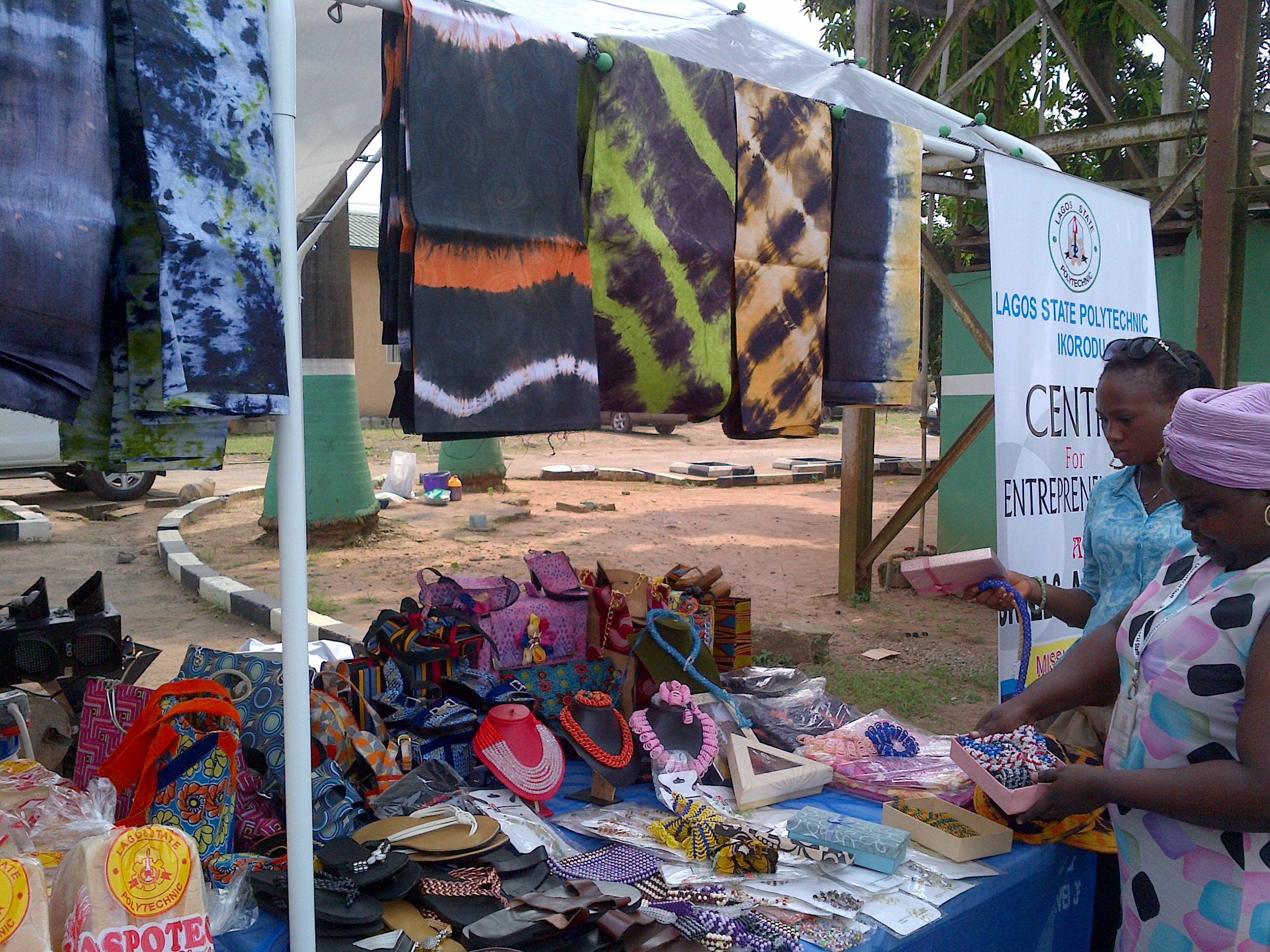
Adire — resist-dyed indigo cloth produced by Yoruba women — constitutes a design tradition with a documented vocabulary of over 100 named resist patterns, applied using starch-resist, tie-and-dye, and hand-painting techniques. The adire eleko technique, using cassava starch applied with feather or comb tools to produce fine-line geometric patterns, represents a level of graphic precision in textile design comparable to any contemporaneous tradition globally. The economic and design infrastructure of adire — including the specialist dyers’ guilds of Abeokuta — was disrupted by the introduction of imported machine-printed “African print” fabric in the colonial period, a fabric designed and manufactured in Europe for the West African market.

Kingdom of Benin (present-day Nigeria)

Benin Court Dress Designers

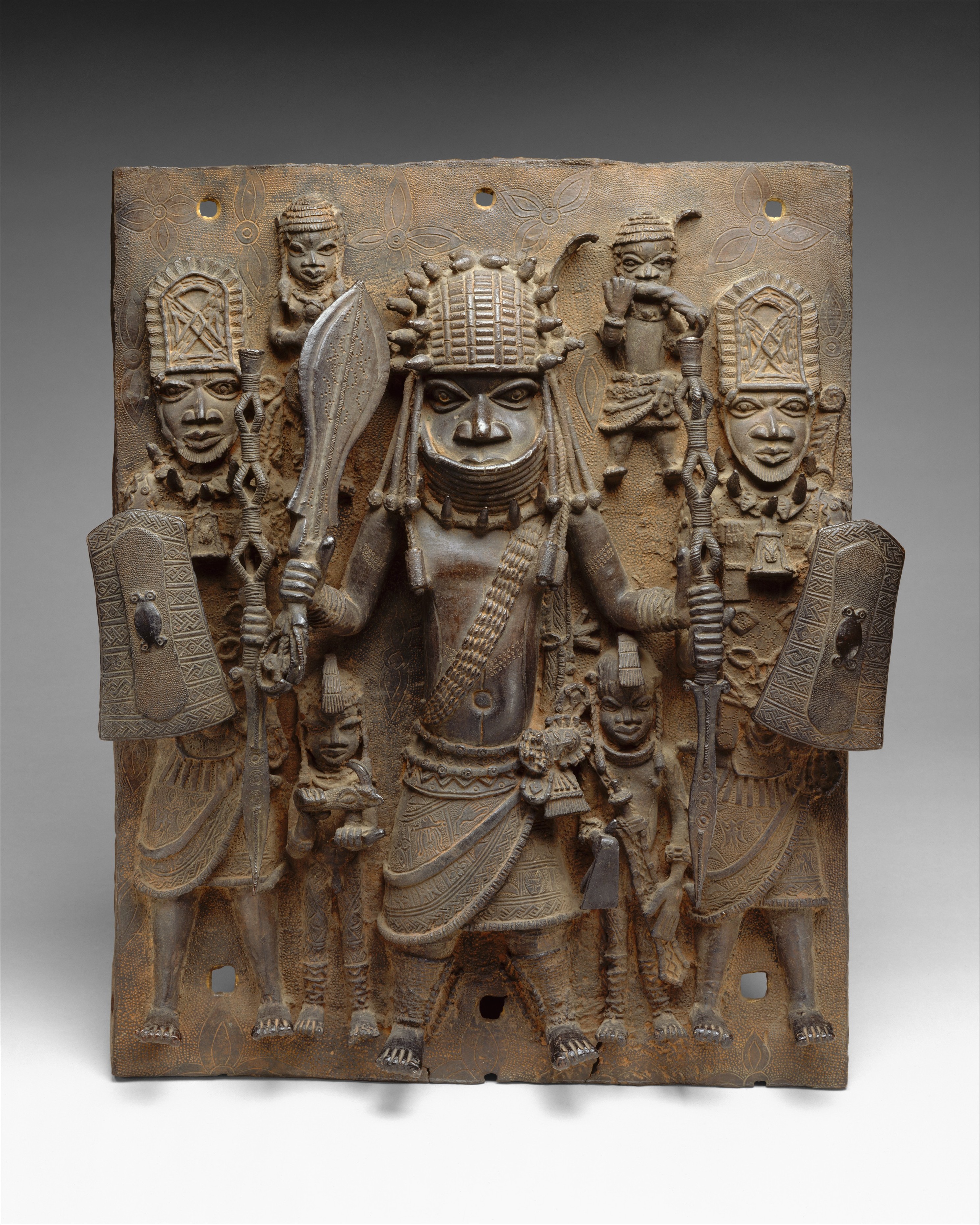
The court dress tradition of the Kingdom of Benin — documented in the bronze plaques looted in 1897 — constitutes a formal designed uniform system in which rank, role, and status were encoded through specific combinations of coral bead collars, wrapper styles, wristlets, and head coverings.


The Oba’s regalia incorporated over 5,000 coral beads per outfit, each bead sourced and drilled to specification, constituting a material design programme of sustained institutional complexity. The bronze plaques themselves are both documentary records of this dress tradition and designed objects — their composition, proportion, and surface treatment represent a unified visual design language. The 1897 looting by British forces destroyed the living institutional context of this design tradition.

Bamana people (present-day Mali)

Bogolan (Bògòlanfini) Cloth Designers

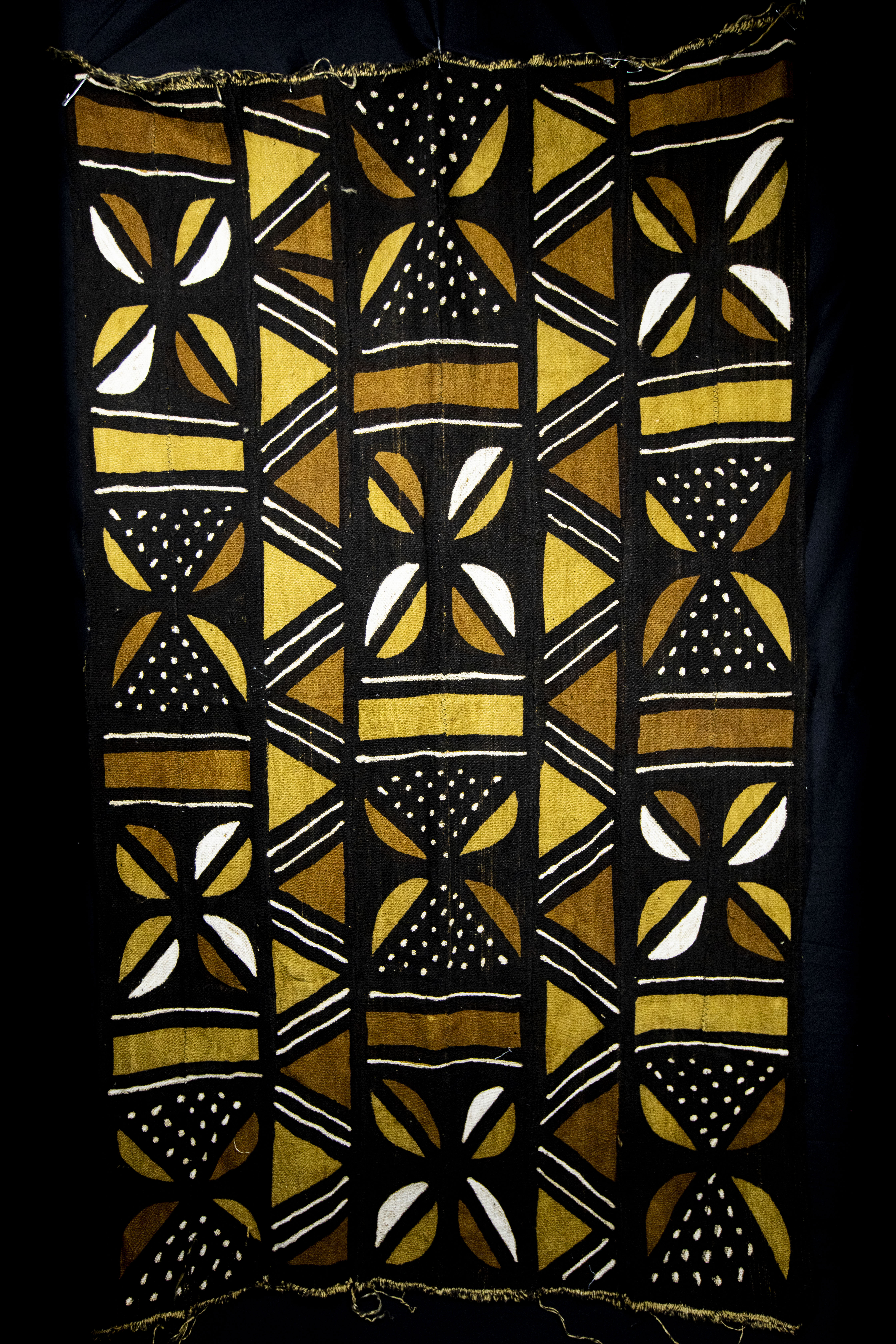
Bogolan, mud cloth, is a resist-dyed cotton textile produced by Bamana women in Mali in which iron-rich mud is applied to cotton pre-treated with fermented leaf solution. It produces a black-on-yellow geometric pattern system with over 500 named designs each carrying specific meanings. The chemical process — using tannic acid from leaves to mordant the fabric, then applying iron-rich mud to oxidise the tannins to black — is an empirically developed textile chemistry. The pattern vocabulary encodes hunting, agricultural, and historical narratives.


When Yves Saint Laurent incorporated bogolan patterns into his 1967 “African” collection, he received international recognition; the Malian women whose design vocabulary he appropriated received nothing.

East African communities (present-day Kenya, Tanzania & Mozambique)

Kanga Textile Designers

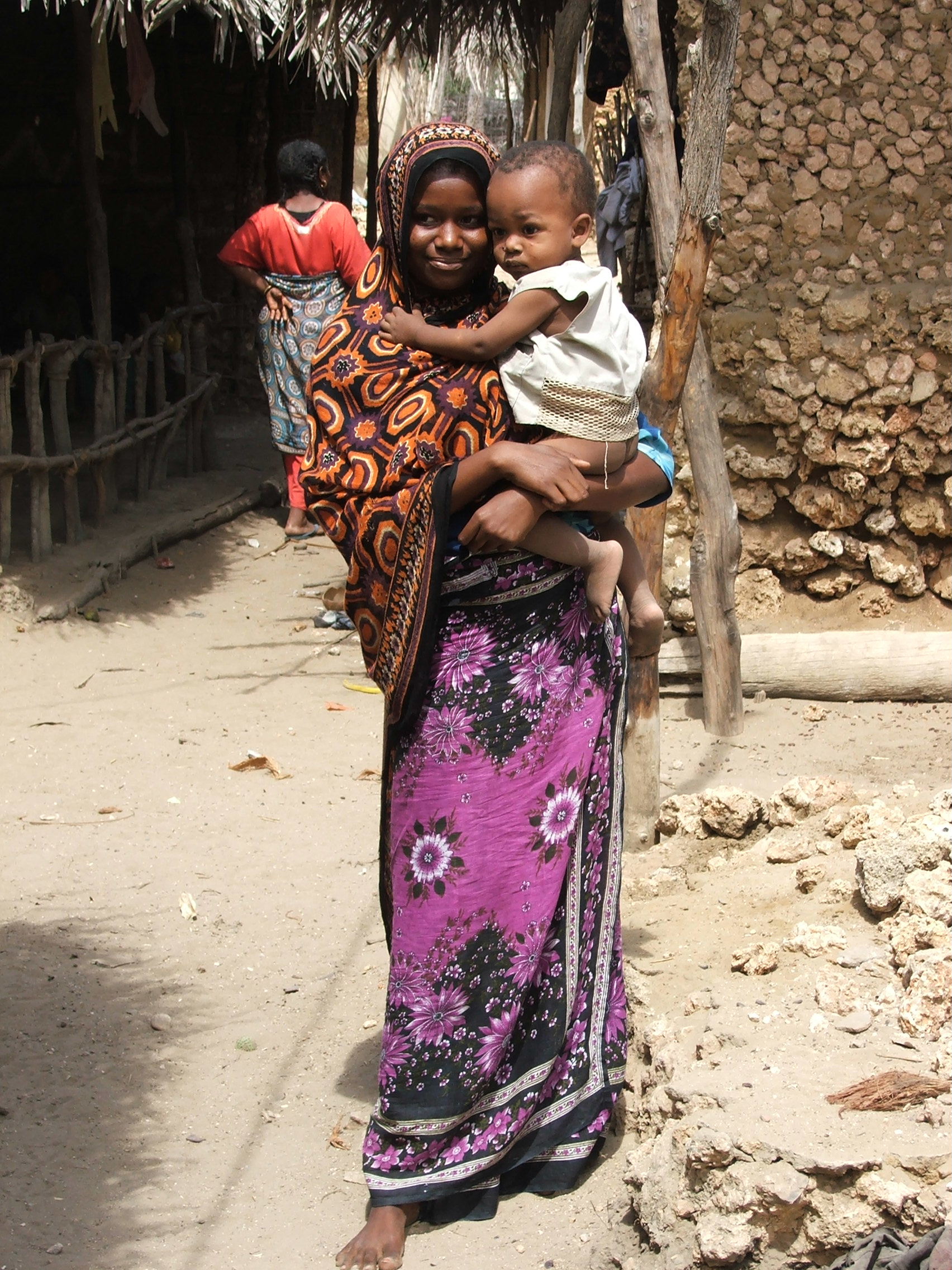
The kanga — a printed cotton cloth produced in lengths of two panels, worn as a wraparound garment — emerged on the Swahili coast in the mid-19th century as a specifically designed communication medium, incorporating a printed proverb (jina) that functions as a social and emotional message.


Kanga design involves the integration of border patterns, central field, and typographic text into a unified composition; the textile is simultaneously a garment, a graphic design object, and a verbal communication. The kanga design tradition was appropriated by European and Indian textile mills in the colonial period, which manufactured kanga for the East African market while excluding local designers from the production and profit chain.

Ndebele people (present-day South Africa and Zimbabwe)

Ndebele Geometric Artists

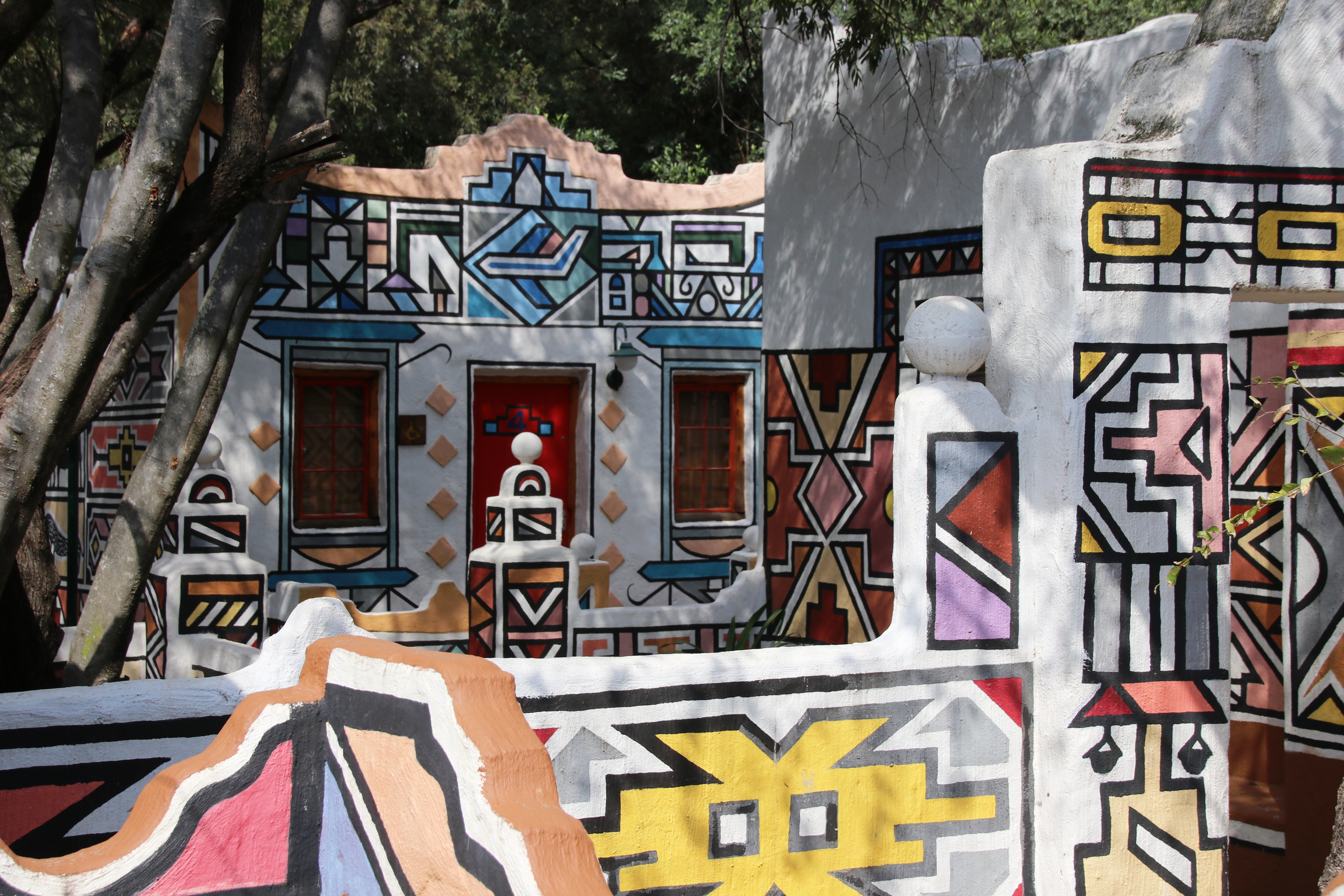
Ndebele women of present-day South Africa developed a geometric mural painting and beadwork tradition in which bold primary-colour geometric forms — rectangles, triangles, and V-shapes — are applied to house exteriors and worn as beaded garments. The geometric vocabulary of Ndebele murals was directly appropriated by Volkswagen for its 1994 “Ndebele Beetle” concept car and by the South African Airways livery redesign, in both cases without compensation to Ndebele communities.


The beadwork constitutes a wearable communication system in which apron shapes, colours, and patterns indicate marital status, age grade, and social standing. The tradition intensified as a political identity assertion during apartheid.

Ashanti and Ewe peoples (present-day Ghana and Togo)

Kente Weavers

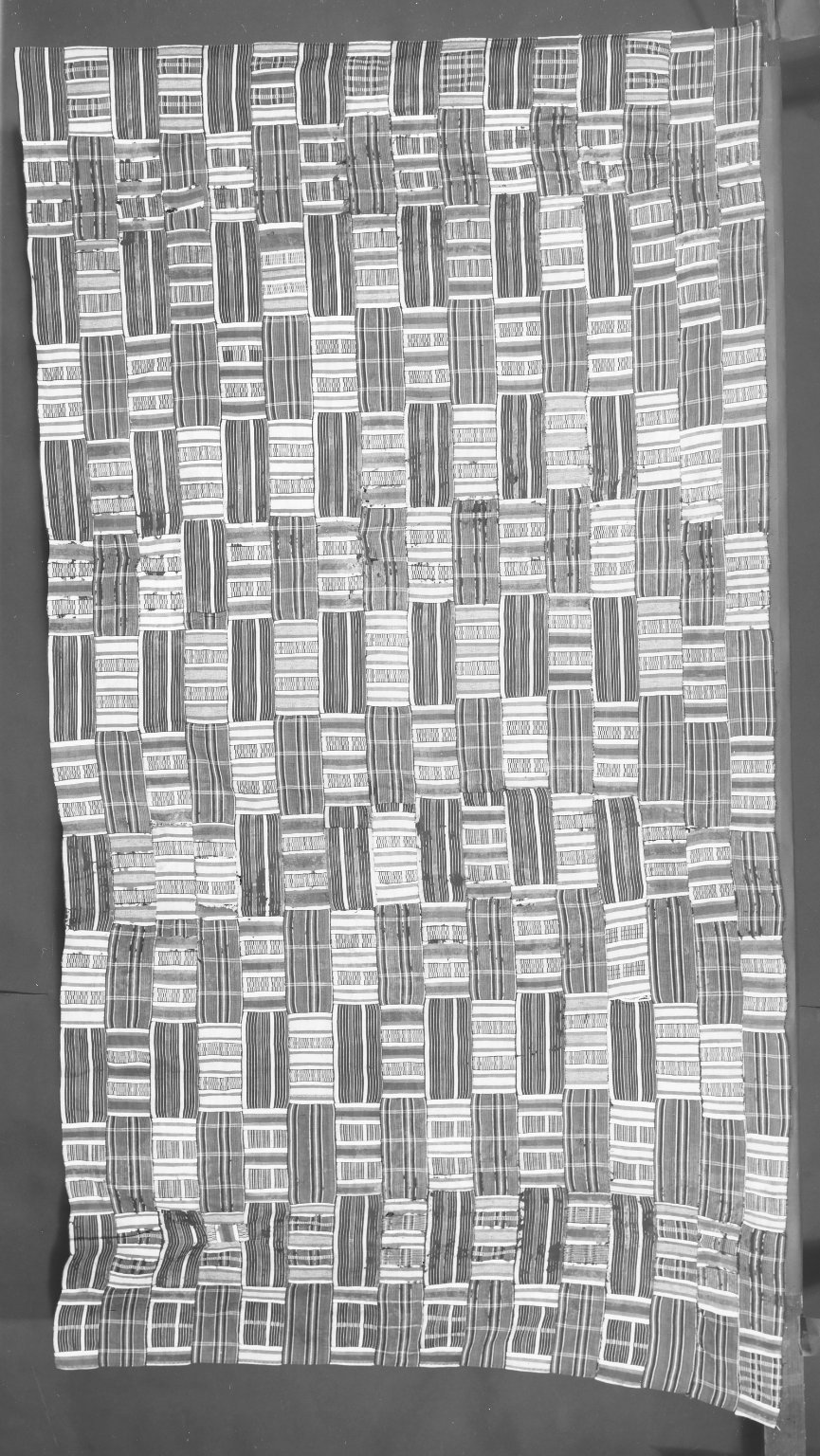
Kente cloth, woven in narrow strips on horizontal treadle looms and assembled into large cloths, constitutes one of the most sophisticated colour and pattern design systems in the world, with each combination of colour, pattern, and strip arrangement carrying a specific social and communicative meaning documented in oral tradition.


Akan kente was reserved for royalty and court occasions, functioning as a designed communication medium rather than purely decorative textile. The iconography of kente — its warp and weft colour sequencing, its named patterns — constitutes a formal graphic design vocabulary that has been extensively appropriated by Western fashion without acknowledgment or compensation to Ghanaian weavers.

Cross River region (present-day Nigeria)

Nsibidi Symbol Designers

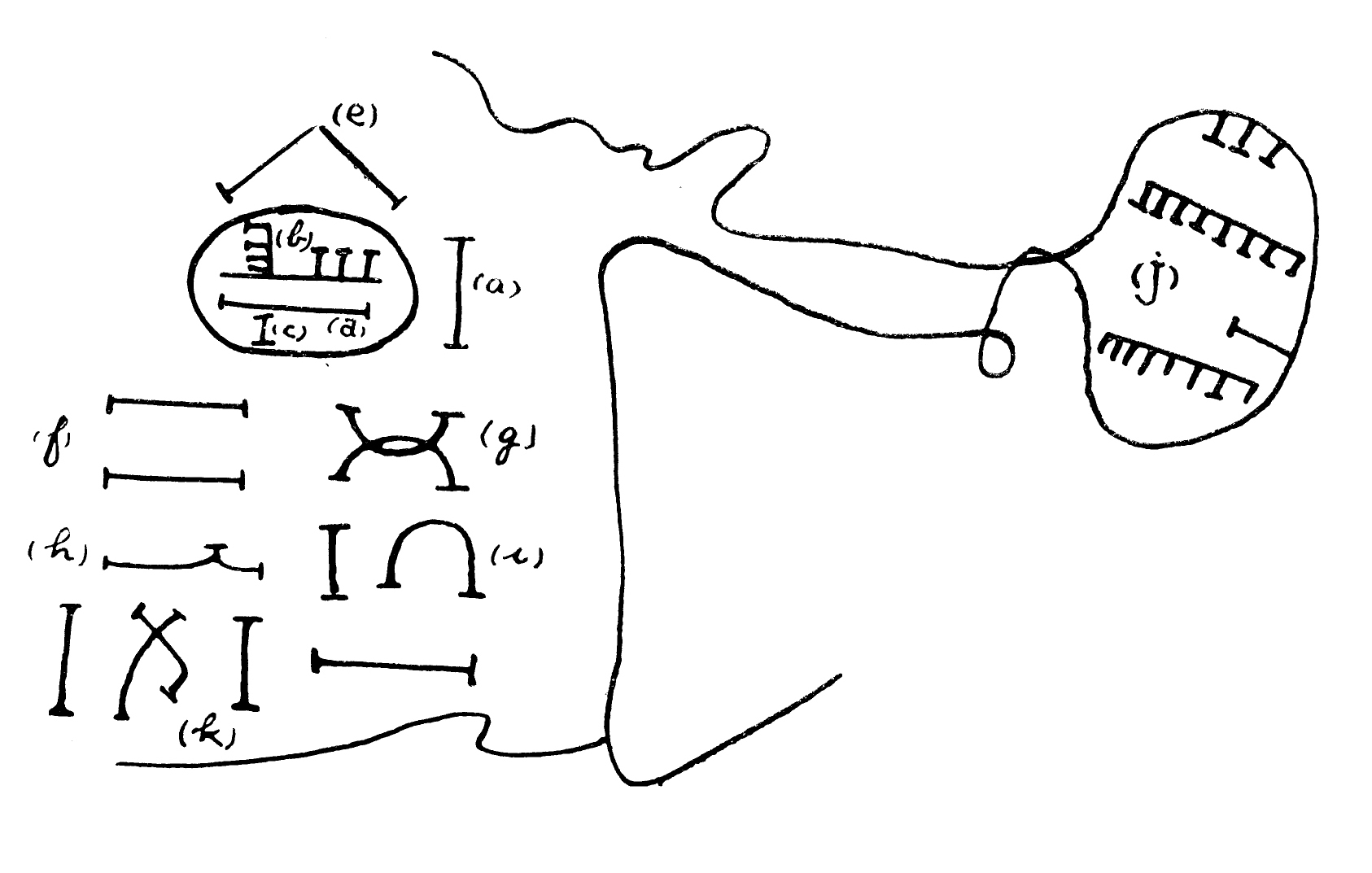
The Nsibidi writing and symbol system of the Ekpe society in the Cross River region of present-day Nigeria constitutes one of the earliest documented indigenous African graphic design systems, used to communicate complex social, legal, and spiritual information through symbols applied to cloth, skin, walls, and objects.


Nsibidi symbols were applied to ukara cloth — indigo-dyed raffia — worn exclusively by Ekpe society members, constituting a designed textile where pattern carried legal and initiatory meaning. The system is estimated to contain over 1,000 symbols and has been documented in continuous use from at least 400 CE to the present. Its influence on Basquiat’s visual vocabulary has been proposed by art historians, though Basquiat himself did not confirm this.

Kingdom of Kuba (present-day Democratic Republic of Congo)

Kuba Kingdom Textile Designers

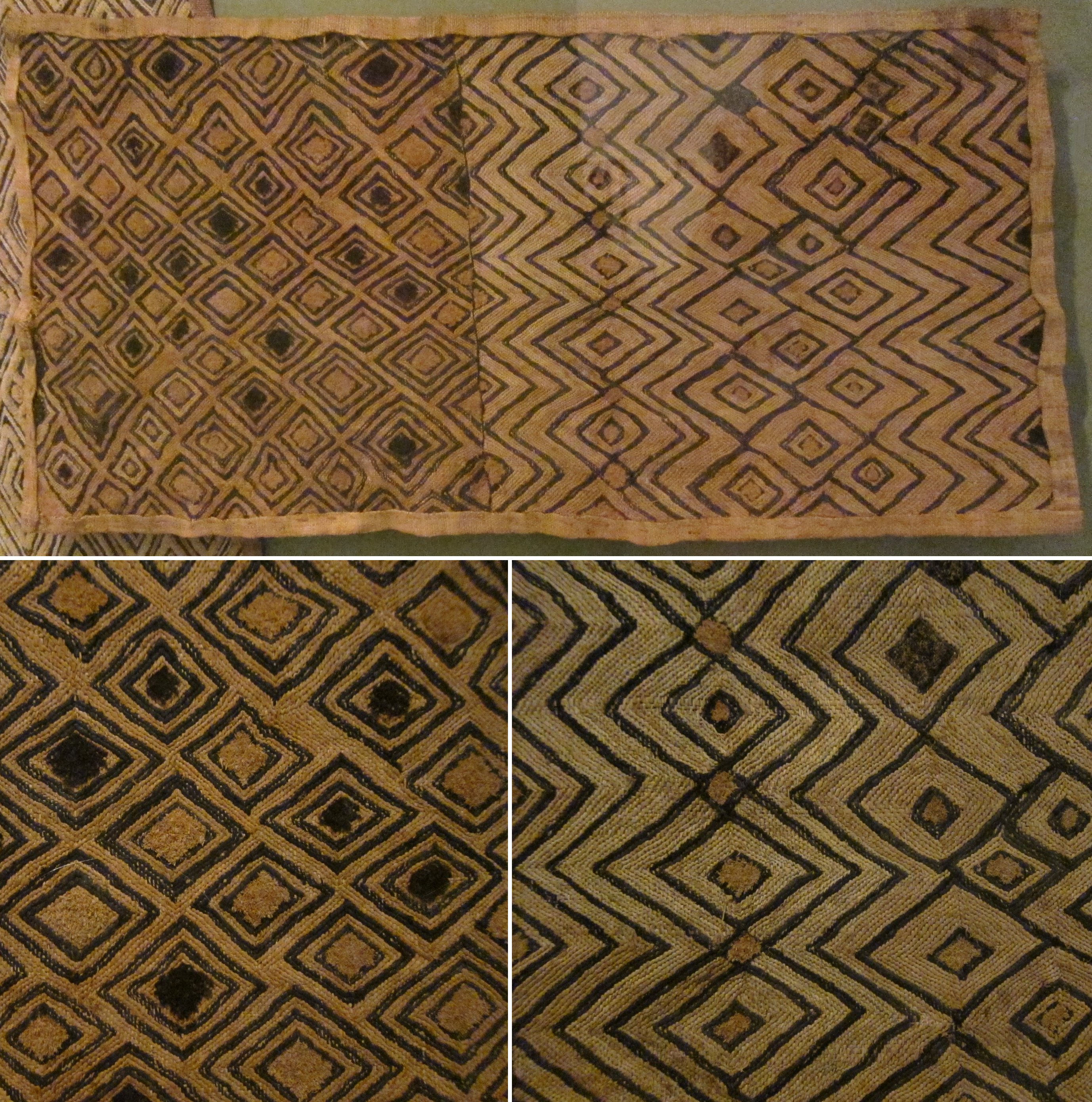
The Kuba Kingdom of present-day DRC developed a textile design tradition producing cut-pile raffia cloth — “Kuba velvet” — with geometric pattern vocabularies of documented complexity, with over 200 named pattern types catalogued by the 20th century. Kuba designers operated under a royal patent system: new patterns were attributed to named individuals (including kings) and entering a new pattern into the design vocabulary was treated as a formal creative act with social recognition.


When Matisse and Picasso encountered Kuba textiles in European collections in the early 20th century, the geometric vocabulary of Kuba cloth was directly incorporated into early Cubist and Fauvist surface design — without attribution to its African source.

USA

Thomas L. Jennings

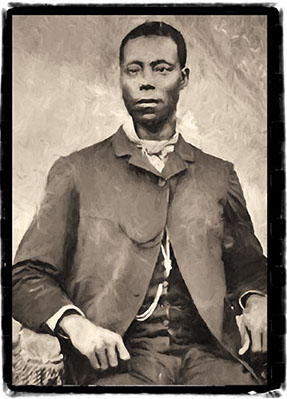
Thomas L. Jennings became the first Black person to receive a U.S. patent in 1821, for a dry-cleaning process he called “dry scouring” — a method for cleaning garments without water that formed the technical basis of the dry-cleaning industry. He operated a tailoring and clothing business in New York City and used the proceeds from his patent to fund abolitionist activities.


His patent predates the conventional history of dry-cleaning, which credits French chemist Jean Baptiste Jolly with the discovery in 1855; Jennings’s process was documented and patented 34 years earlier. He also co-founded the New York African Society for Mutual Relief.

USA

Elizabeth Keckley

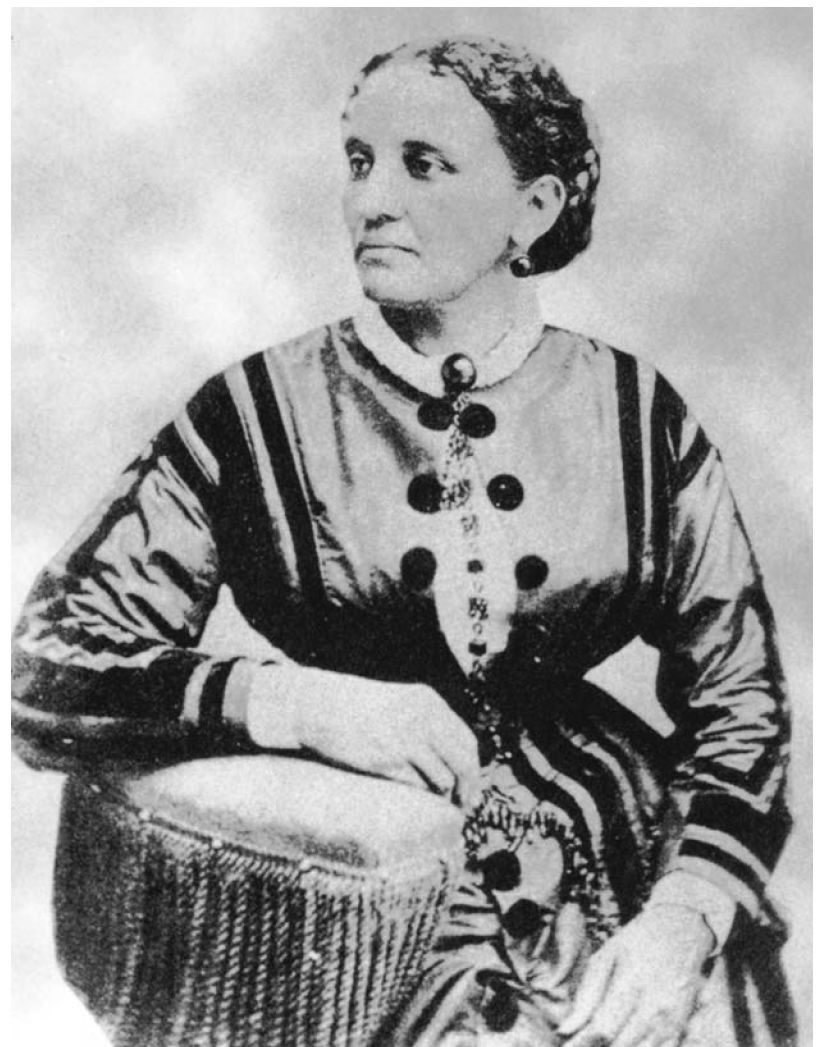
Born into slavery, she purchased her own freedom with money earned from her dressmaking skills and became the personal modiste and confidante of First Lady Mary Todd Lincoln. Designed at least 15 dresses for Mrs. Lincoln during the Civil War years and founded the Contraband Relief Association to aid formerly enslaved people in Washington, D.C. Her memoir “Behind the Scenes” was one of the first published accounts of life inside the Lincoln White House.

Yoruba peoples (present-day Nigeria)

Yoruba Aso-Oke Weavers

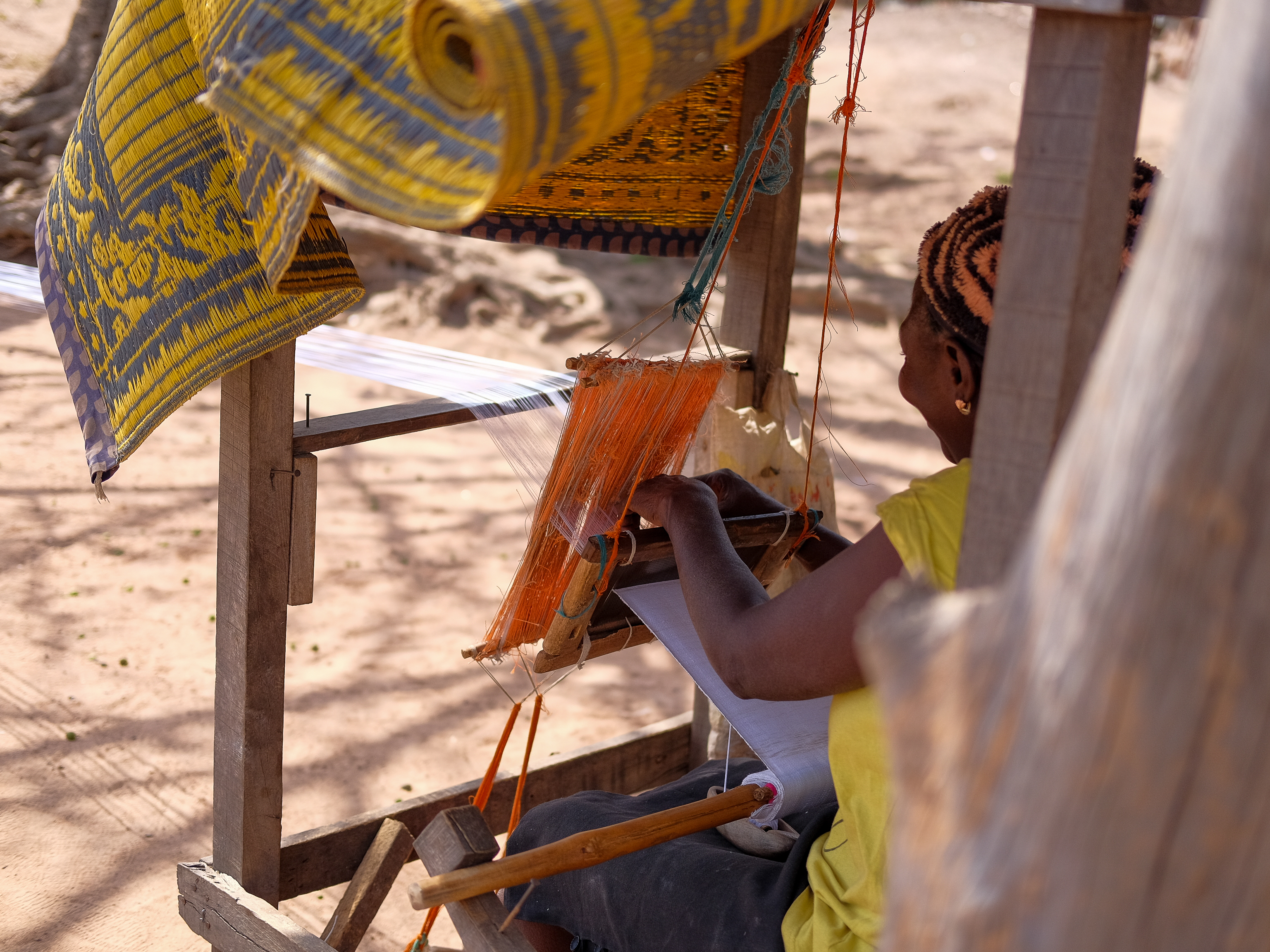
Aso-oke — literally “top cloth” — is a handwoven textile produced on a narrow-band loom by Yoruba weavers, constituting the prestige fabric of Yoruba ceremonial life and the defining textile of aso-ebi (coordinated group dressing for celebrations). The three canonical aso-oke types — alaari (magenta), sanyan (natural brown), and etu (indigo) — each have specific ceremonial functions and social meanings documented in Yoruba oral tradition.


Aso-oke weaving is a gendered design practice with distinct male and female production traditions; the strip-weaving technique requires mathematical planning of pattern repeats across dozens of strips that must align when assembled. The contemporary global aso-ebi market — coordinated group fabrics worn at Nigerian celebrations worldwide — generates hundreds of millions of dollars annually, almost entirely through the labour of Yoruba weavers whose individual contribution is undocumented.

USA

Madam C.J. Walker

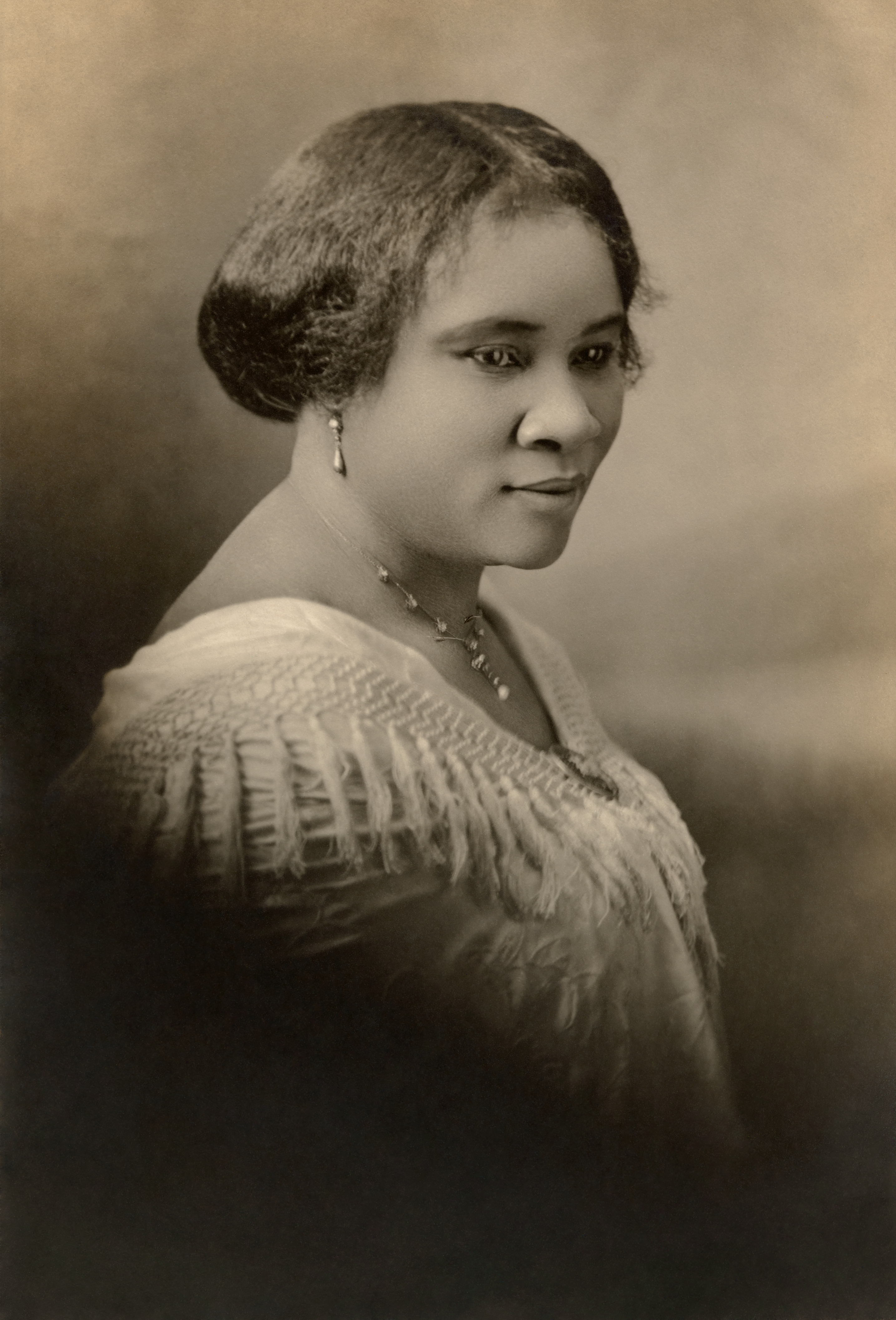
Born Sarah Breedlove, Madam C.J. Walker developed a line of hair care products and scalp treatments specifically formulated for Black women in the early 1900s, building a manufacturing and sales empire that made her the first self-made female millionaire in the United States. Her business model, centered on a national network of trained door-to-door “Walker Agents,” created unprecedented economic opportunities for over 40,000 Black women at a time when domestic service was their near-universal employment option. She established beauty colleges and factory operations, including the Walker Building in Indianapolis, transforming hair care into a scalable industry.


Walker also pioneered integrated brand design, structuring her company’s visual identity through uniform product packaging, marketing materials, and a signature agent livery consisting of a white shirtwaist and black skirt. She strategically leveraged her wealth for political advocacy and social reform, funding anti-lynching campaigns, contributing to the NAACP, and lobbying President Woodrow Wilson for federal legislation. Her legacy of wealth redistribution continued after her death, with her estate funding scholarships and supporting the Harlem Renaissance through her daughter, A’Lelia Walker.

USA

James VanDerZee

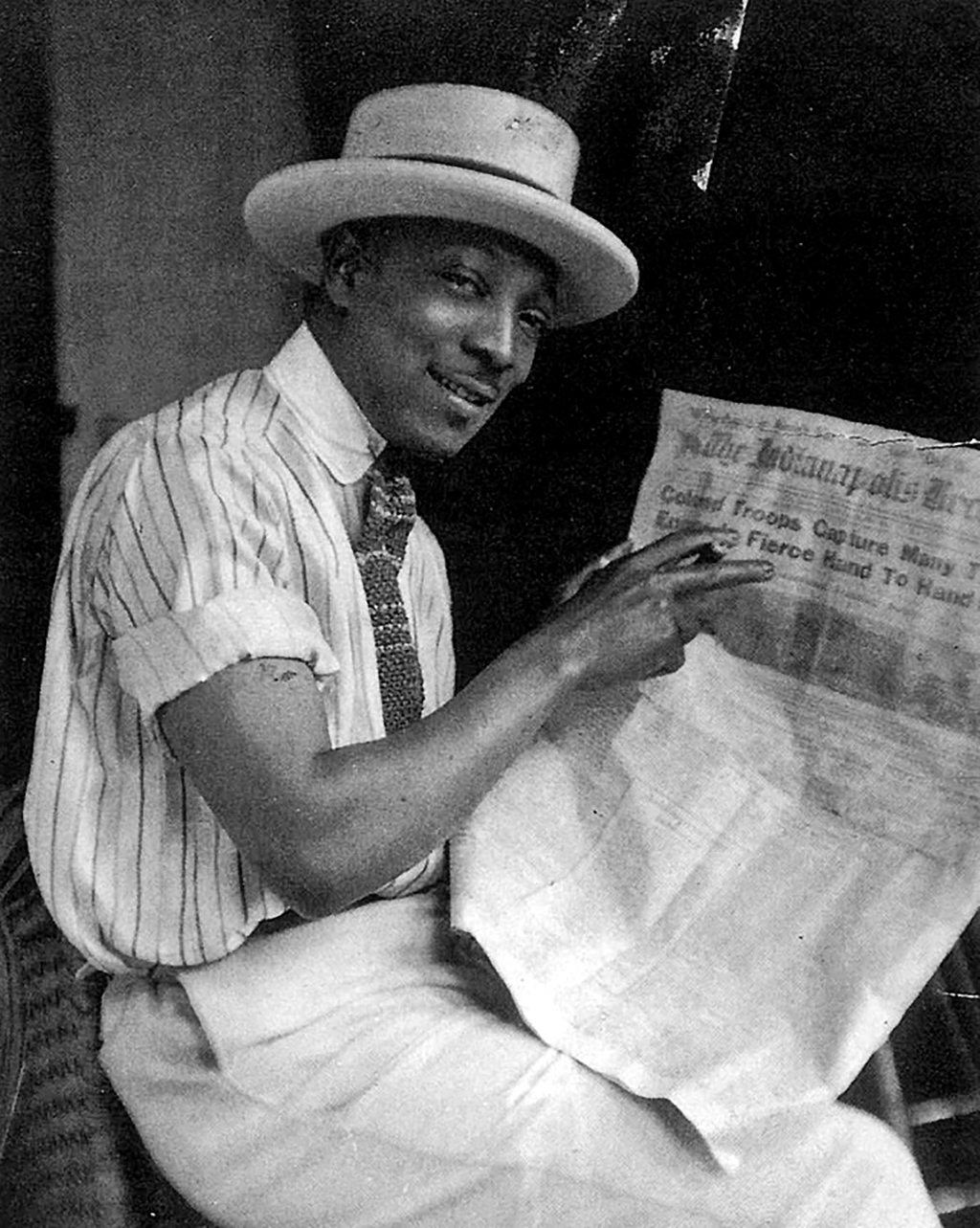
James VanDerZee operated a portrait photography studio in Harlem from 1916 onward, producing a body of work that constitutes the primary photographic record of Harlem Renaissance fashion and self-presentation. His photographs documented Black New Yorkers in their finest dress — furs, suits, gowns, jewellery — as a deliberate counter-programme to the documentary photography of Black poverty circulating in mainstream media. His studio practices, including retouching, set design, and prop selection, constituted a designed visual language of Black aspiration and dignity.


His work was excluded from the history of American photography until the 1969 exhibition Harlem on My Mind at the Metropolitan Museum of Art brought it to institutional attention, by which point he was 83 years old.

USA

Ann Lowe

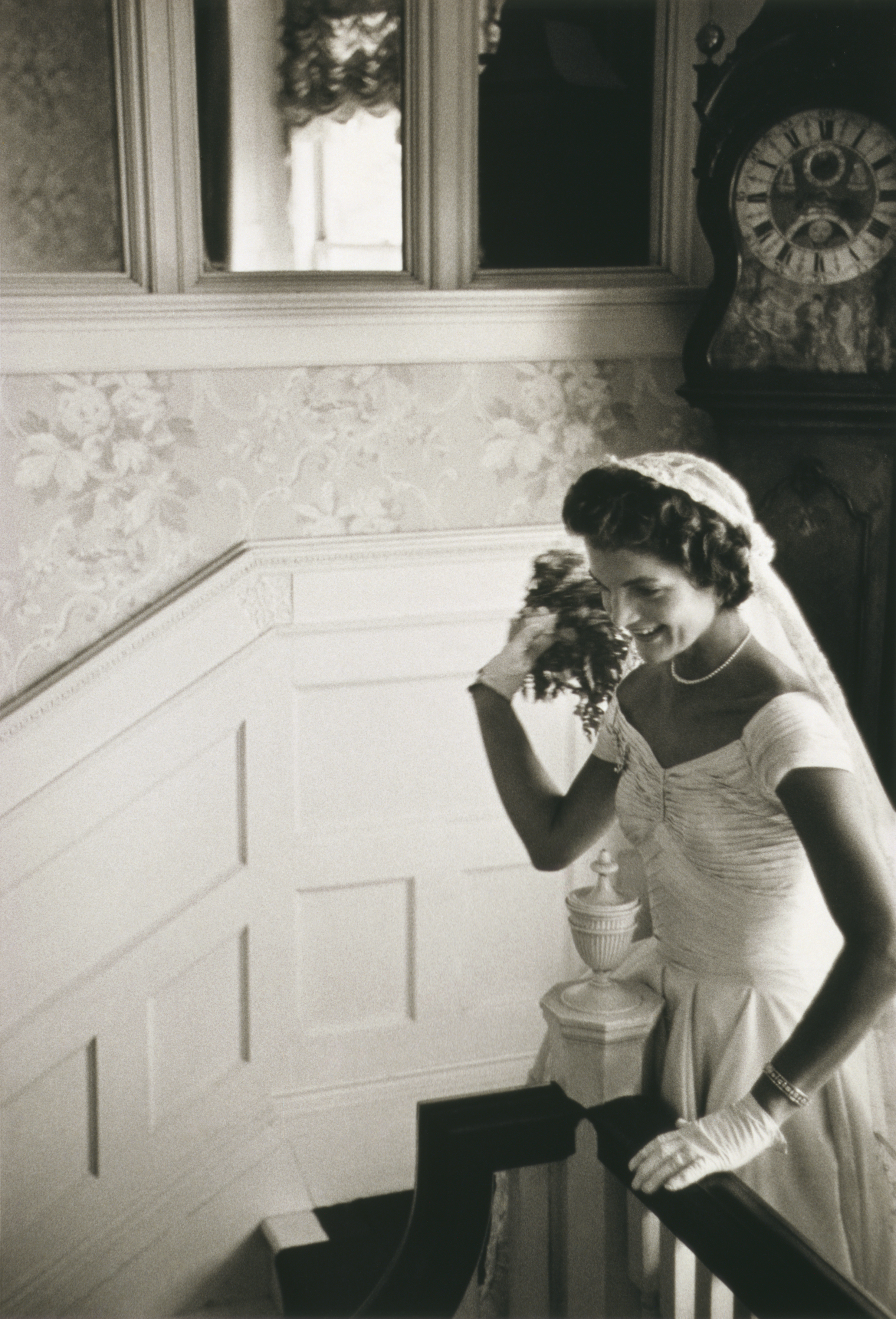
Ann Lowe, born into a family of Alabama dressmakers, designed and constructed the wedding gown worn by Jacqueline Bouvier at her 1953 marriage to John F. Kennedy — a gown that became one of the most photographed and discussed wedding dresses in American history. When a flood in her workshop destroyed ten dresses ten days before the wedding, she rebuilt them at her own expense without passing the cost to the client. The dress was publicly credited for years to “a coloured dressmaker in New York” without Lowe’s name. She dressed society figures including Olivia de Havilland, Marjorie Merriweather Post, and multiple debutante families; she spent most of her career in debt despite operating at the top of the American custom couture market, in part because her clientele paid late or not at all.


Granddaughter of enslaved people; became the most celebrated society dressmaker in New York, creating gowns for the Rockefellers, Roosevelts, and DuPonts. Designed Jacqueline Bouvier’s wedding dress for her marriage to John F. Kennedy in 1953 (when her workroom flooded days before the wedding and destroyed ten of the dresses, she rebuilt them all at her own expense in four days). Was not credited for years; Jacqueline Kennedy’s social secretary initially described the dress as being made by “a colored dressmaker.”

USA

Aaron Douglas

Aaron Douglas developed a pioneering visual language for the Harlem Renaissance that synthesized African decorative motifs, Art Deco geometry, and the silhouette traditions of American vernacular graphics into a formally coherent and politically legible pictorial style.


His murals at Fisk University and his celebrated series Aspects of Negro Life (1934) for the New York Public Library represent the era’s most significant public art commissions. Simultaneously, his graphic design work—including covers and illustrations for The Crisis, Opportunity, and books by Langston Hughes, Alain Locke, and James Weldon Johnson—established a unified graphic programme for the New Negro Movement. Though historically categorized as illustration, his graphic work defined the visual identity of the era.

USA

Zelda Wynn Valdes

Opened the first Black-owned boutique on Broadway in New York in 1948. Designed costumes for the original Playboy Bunny outfit and dressed performers including Ella Fitzgerald, Josephine Baker, and Gladys Knight. Served as the head designer for the Dance Theatre of Harlem for over 20 years, creating costumes that helped define modern Black dance aesthetics.

USA

Eunice Walker Johnson

Eunice Walker Johnson co-founded Ebony Fashion Fair in 1958 with her husband John H. Johnson, producing a travelling fashion show that toured over 200 cities annually, presenting European couture and American fashion to Black audiences who were barred from white department store fashion shows. She personally selected every garment shown, negotiating with Yves Saint Laurent, Givenchy, Valentino, and other houses to include Black models in their shows as a condition of featuring their work in the Fair.


Ebony Fashion Fair raised over $55 million for Black charities over its 50-year run. Johnson’s curatorial and directorial role — which amounted to producing the largest touring fashion event in American history — was described in industry press as “organisational” rather than creative.

Barbados / USA

Lois Lane

Lois K. Alexander Lane founded the Black Fashion Museum in Washington D.C. in 1979, the first and only institution dedicated to preserving the history of Black fashion designers and their contributions to American fashion. She spent decades documenting designers, collecting garments, and building an archive that included work by Ann Lowe, Zelda Wynn Valdes, and Arthur McGee — work that was otherwise being discarded or misattributed.


The museum eventually merged its collection with the Smithsonian’s National Museum of African American History and Culture. Without her institutional intervention, much of the material record of Black American fashion design would have been permanently lost.

Bamako (present-day Mali)

Seydou Keïta

Seydou Keïta operated a portrait photography studio in Bamako from 1948 to 1962, producing a body of work — over 10,000 documented images — that constitutes the primary visual record of West African fashion and self-fashioning in the post-war decade of decolonisation. His subjects arrived in their finest dress — boubous, European suits, traditional wrappers, hybrid combinations — and Keïta’s compositional intelligence transformed these individual fashion statements into a collective archive.


His work was discovered by European curators in the 1990s and immediately entered the international art market; Keïta had sold his negatives and received no royalties from subsequent exhibitions and publications. A legal dispute over rights to his work continued for years after his death in 2001.

Nigeria

J.D. 'Okhai Ojeikere

J.D. ‘Okhai Ojeikere photographed Nigerian women’s hairstyles from 1968 until his death, producing a systematic visual archive of over 1,000 distinct styles. These elaborate sculptural constructions in thread, hair, and accessories constitute a design tradition of extraordinary technical and aesthetic complexity.


His work documented a body-based design practice that had historically been excluded from serious design history. Exhibited internationally since the 1990s and held by major institutions like the Smithsonian, Ojeikere’s archive represents the most comprehensive documentation of an African body-based design tradition in existence.

USA

Arthur McGee

Arthur McGee is documented as the first Black designer hired by a major American fashion house, joining B. Altman’s design staff in 1954. He subsequently opened his own boutique in New York’s Garment District in 1958 — one of the first Black-owned fashion businesses in that district — and dressed Diahann Carroll, Lena Horne, and Maya Angelou.


His work was recognised by Lois Alexander Lane’s Black Fashion Museum but received minimal coverage in mainstream fashion media during his career. His hiring at B. Altman represents the first documented case of a Black designer working within a major American retail design structure; his subsequent exclusion from fashion history reflects the industry’s systematic omission of Black practitioners from its own record.

Soloba, present-day Mali

Malick Sidibé

Malick Sidibé documented the social and fashion life of Bamako’s youth culture from the 1960s through the 1980s, producing photographs of young Malians at dance parties, on the beach at the Niger River, and in his studio, capturing the fusion of West African, French colonial, and American pop culture aesthetics that defined post-independence Malian self-fashioning. He received the Venice Biennale’s Golden Lion for Lifetime Achievement in 2007 — the first time the award was given to a photographer and the first time it was given to an African artist. His work, like Keïta’s, was circulated internationally without his direct financial benefit for years before his legal rights were formalised.

Port of Spain, Trinidad and Tobago

Hazel Brown (Trinidad Carnival Design)

Hazel Brown is among the most documented of the master mas’ designers — Carnival costume designers — of Trinidad, a tradition that constitutes one of the most technically ambitious large-scale design practices in the world, producing theatrical costume systems for thousands of masqueraders annually using feathers, wire, rhinestones, and fabric at a scale comparable to architectural installation.


Trinidad Carnival costume design — whose practitioners include Peter Minshall, Wayne Berkeley, and Brian MacFarlane alongside Brown — is a formal design discipline with its own materials technology, structural engineering, and aesthetic tradition. It has been classified as “folk art” or “festival culture” rather than design in most design history literature, a categorisation that reflects the discipline’s geographic and cultural location outside European design institutions.

USA

Stephen Burrows

Stephen Burrows was one of five American designers selected to represent the United States at the 1973 “Battle of Versailles” fashion show — a competition between American and French couture houses whose result is now considered to have established American ready-to-wear as a legitimate rival to French haute couture.


Burrows’s jersey dresses, characterised by his “lettuce hem” technique (a rolled and stretched hem producing a ruffled edge), handkerchief hemlines, and bold colour blocking, were technically innovative in their use of fabric drape as design structure. He was one of the first Black designers to receive consistent coverage in mainstream American fashion media. His contribution to the Versailles show was central to the American victory, yet French and American fashion histories frequently omit his name while foregrounding the white American designers present.

USA

Dapper Dan

Dapper Dan opened a boutique on 125th Street in Harlem in 1982 that produced custom garments incorporating luxury brand logos — Louis Vuitton, Gucci, Fendi — applied to furs, leather, and sportswear in combinations and scales never offered by the original houses. His designs were worn by LL Cool J, Eric B. and Rakim, Mike Tyson, and Salt-N-Pepa, and constituted the visual identity of late-1980s hip-hop fashion.


The luxury houses sued him and forced his shop to close in 1992 for trademark infringement. In 2017 Gucci produced a collection directly copying one of his original designs; after public outcry Gucci entered a formal collaboration with him and opened a Gucci-funded atelier in Harlem. The 35-year gap between appropriation and acknowledgment is documented in fashion journalism as a case study in the industry’s relationship to Black creative labour.

USA

Clovis Ruffin

Clovis Ruffin designed at Fingerhut before founding his label Ruffin in 1970, producing jersey knit clothing for active women at affordable prices. He won the Coty Award — American fashion’s most prestigious prize — in 1973, making him one of very few Black designers to receive major industry recognition during that decade.


His jersey designs influenced the American sportswear aesthetic of the 1970s. His work has been largely absent from retrospective accounts of 1970s American fashion, which foreground white designers of the same period despite Ruffin’s contemporaneous recognition.

Jamaica

Grace Jones

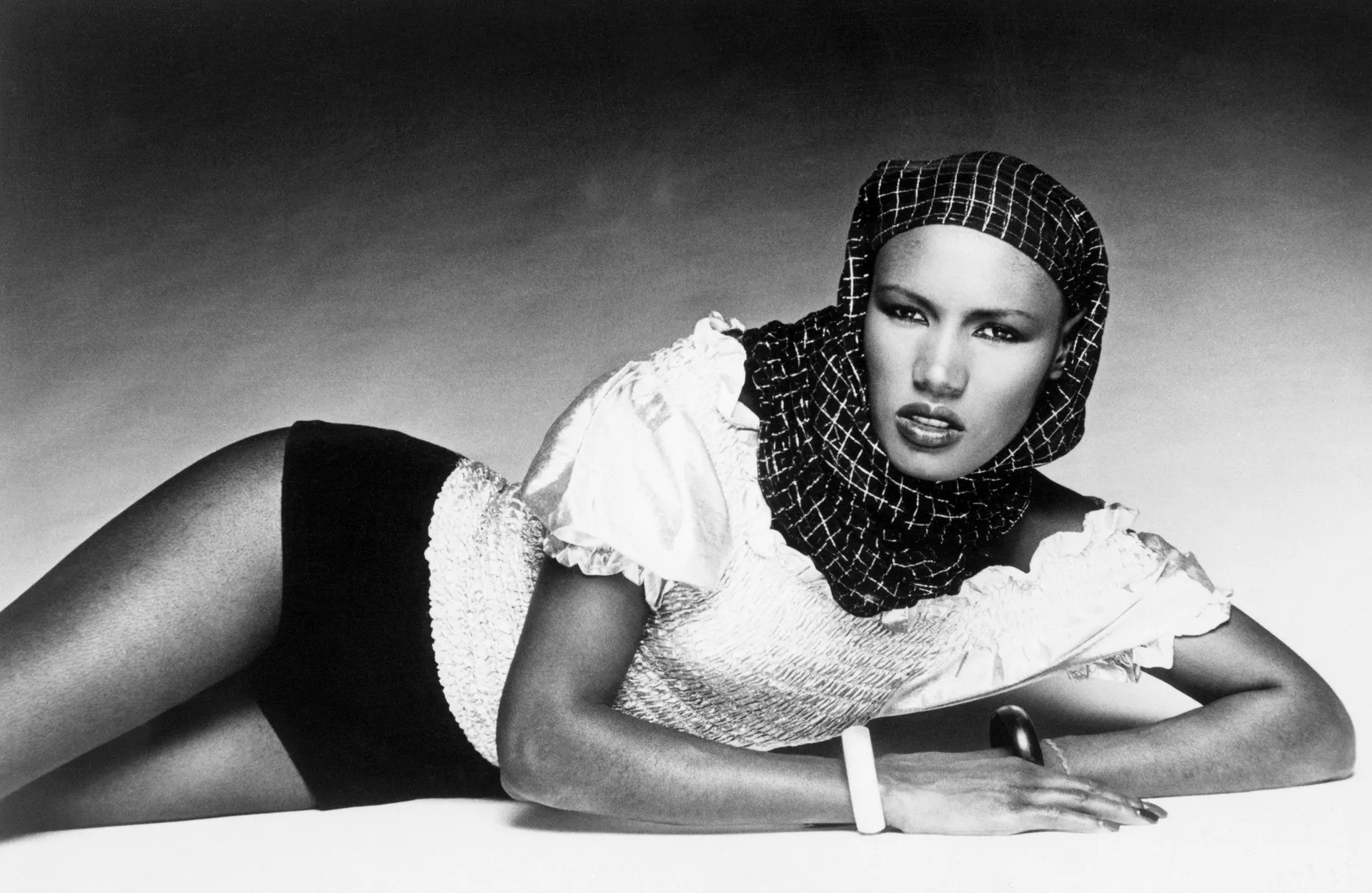
In collaboration with designer Azzedine Alaïa and art director Jean-Paul Goude, model and performer Grace Jones developed an iconic visual identity in the 1970s and 1980s. Defined by flat-top hair, geometric tailoring, and body paint, she presented her body as a total design object and her visual spaces as designed environments.


Her boundary-pushing look revolutionized fashion photography, music videos, and the visual grammar of androgyny. Throughout her career, Jones has been an outspoken advocate for artists’ rights, highlighting how her images and co-originated designs were frequently commercialized without her authorization or royalty payments.

USA

Willi Smith

Willi Smith began his fashion career in New York in the early 1960s after studying at the Philadelphia College of Art and Parsons School of Design, working as a sketcher and assistant designer. His formative work in the 1960s and 1970s engaged directly with counterculture aesthetics, positioning fashion design as a medium for social and political commentary.


In 1976, he co-founded WilliWear, producing affordable, wearable ready-to-wear clothing that pioneered “street couture”—the blending of high fashion with urban, utilitarian sportswear. His collections prioritized comfort, natural fibers, and modular styling, allowing garments to be mixed and matched freely. At the height of his career, Smith was widely considered the most commercially successful Black designer in history, having dressed Talking Heads for their 1984 tour, designed the uniforms for New York City’s Sanitation Department, and collaborated extensively with contemporary artists like Keith Haring and Christo.

Ghana

Kofi Ansah

Kofi Ansah studied fashion at Kingston Polytechnic in London and returned to Ghana to establish a design practice explicitly rooted in Ghanaian textile traditions, working with kente and printed cotton in contemporary silhouettes. He designed the uniforms for Ghana Airways and the Ghana Tourism Authority, constituting the designed national identity of Ghana’s international aviation presence.

He later founded the Ghana Fashion and Design Week predecessor event and trained multiple generations of Ghanaian designers. His career represents the model of internationally trained African designer returning to build local fashion infrastructure that subsequent generations have followed.

Niger / Mali

Alphadi (Seidnaly Sidhamed Alphadi)

Alphadi founded his fashion house in Niger in 1987 and is recognized as a pioneer of contemporary African haute couture, combining Tuareg and Saharan textile traditions with Parisian couture construction techniques.


In 1998, he founded the Festival International de la Mode Africaine (FIMA) in the Nigerien desert—the first international fashion festival held on the African continent—creating a platform for African designers independent of the European fashion calendar. Named a UNESCO Artist for Peace and United Nations Goodwill Ambassador, Alphadi has consistently championed the creative and economic independence of African design.

Mali / France

Lamine Kouyaté

Lamine Kouyaté founded the label Xuly.Bët in Paris in 1990, producing collections from recycled and repurposed garments — second-hand clothing dismembered and reassembled with exposed seams and overlock stitching — that constituted a formal design manifesto against disposable fashion and European fashion’s dependence on African textile labour.


He showed in Paris from 1992 and was among the first designers to make visible the construction process as a design element. His work predates the mainstreaming of sustainable and upcycled fashion by 25 years and directly influenced the subsequent generation of deconstructivist fashion designers. His African origin and his critique of European fashion economics have been consistently backgrounded in fashion histories that foreground his white contemporaries in deconstructivism.

Cameroon/Nigeria

Samuel Fosso

Samuel Fosso began making self-portrait photographs in his studio in Bangui in 1975 — initially as gifts for his grandmother — that used costume, dress, and pose to inhabit and critique archetypes of Black masculinity, African political leadership, and American pop cultural identity.


His series African Spirits (2008) showed him costumed as Patrice Lumumba, Aimé Césaire, and other figures of African liberation, using fashion and theatrical design to make political arguments. He is recognised internationally as one of the most significant photographers working with dress and identity, and his work is held by the Tate, the Guggenheim, and the Centre Pompidou.

USA

Virgil Abloh

Virgil Abloh founded Off-White in Milan in 2013 and was appointed artistic director of Louis Vuitton Menswear in 2018 — the first Black artistic director in Louis Vuitton’s history and the first Black artistic director of any major French luxury fashion house’s primary menswear line.


His design methodology — treating garments as objects for quotation, annotation, and deconstruction, applying explicit labels (“SHOELACES”) to named design elements — constituted a post-modern design grammar that was simultaneously commercially successful and theoretically articulate. He died of cardiac angiosarcoma in November 2021 at 41, having concealed his diagnosis for two years while continuing to work; his final Louis Vuitton collection was shown posthumously. His appointment at LV remains the only instance of a Black designer holding that position.

USA

Tracy Reese

Tracy Reese founded her namesake label in 1998 and built a business producing affordable occasion wear for women of diverse body types at a time when American designer fashion was almost exclusively sized for a narrow range. She achieved widespread recognition when Michelle Obama wore her designs at the 2012 Democratic National Convention and on multiple subsequent public occasions.


She relocated her label to Detroit in 2018 as a deliberate economic development choice, training designers and manufacturing locally in a city whose fashion infrastructure had been dismantled. She founded the label Hope for Flowers in 2019, committing to sustainable and ethical production methods. Her impact on size-inclusive design and American fashion manufacturing practice exceeds her media profile.

Nigeria / UK

Duro Olowu

Duro Olowu launched his label in London in 2004 with a single dress — the Duro — which was immediately named “Dress of the Year” by the British Fashion Council and acquired by the Victoria and Albert Museum. His design vocabulary draws explicitly on Yoruba textile traditions, mid-century African fashion photography, and global diaspora dress, producing a design language that refuses to categorise itself within any single national fashion tradition.


He has curated major exhibitions including Hand/Eye at the Museum of Arts and Design in New York. Michelle Obama wore his work at official functions, generating international press coverage. He is widely recognised as one of the most influential designers working in London but has not received the institutional support given to comparable British designers.

USA

April Walker

April Walker founded Walker Wear in 1991, producing the first dedicated hip-hop fashion label designed by a woman — athletic-influenced streetwear in oversized silhouettes with logo graphics that dressed Tupac Shakur, Notorious B.I.G., LL Cool J, and Heavy D. Her designs constituted the visual uniform of East Coast hip-hop in the early 1990s.


She was routinely excluded from the media coverage given to male hip-hop fashion designers of the same period. Walker Wear was acquired by FUBU in 1998; Walker retained creative recognition but the label lost its independent identity. Her foundational role in the creation of hip-hop fashion as a commercial design category has been documented retrospectively in fashion journalism but was not covered at the time.

Nigeria / UK

Yemi Osunkoya

Yemi Osunkoya founded Kosibah Creations in London in 1992, specialising in bridal and occasion wear that integrated West African textile traditions with couture-level construction. He dressed multiple members of the British African diaspora community for major life occasions and was credited with introducing Nigerian aso-ebi dressing culture — coordinated group fabrics for celebrations — to the British fashion vocabulary.


He was awarded an MBE for services to the fashion industry in 2015. His documentation of the economic and cultural significance of African diaspora occasion wear as a design category contributed to the field’s eventual recognition by mainstream British fashion media.

UK (of Ghanaian descent)

Ozwald Boateng

Ozwald Boateng became the first tailor of African descent to open a shop on Savile Row in 1995, and the first Black creative director of Givenchy Homme in 2003, a position he held until 2007. His tailoring combined the structural precision of Savile Row construction with West African colour sensibility — vivid silk linings, bold solids — in a formal vocabulary that expanded the definition of British bespoke tailoring.


He dressed Will Smith, Mick Jagger, Jamie Foxx, and Laurence Fishburne and produced uniforms for British Airways’ cabin crew. His appointment at Givenchy was the first time a Black designer held the creative directorship of a major French luxury house.

Hollis, Queens, New York, USA

FUBU Founders — Daymond John, J. Alexander Martin, Keith Perrin, Carlton Brown

FUBU (For Us By Us) was founded in 1992 by Daymond John and three partners, producing urban fashion that explicitly positioned itself as a Black-owned, Black-designed, Black-marketed label at a moment when the fashion industry was profiting substantially from Black consumer spending on white-owned brands. The company reached $350 million in annual sales by 1998.


FUBU’s business model — bootstrapped from $40 and a home sewing machine, licensed through a trade show deal with Samsung, distributed through major retail — is studied in business schools as a case of brand-building from zero resources. The label’s tagline “For Us By Us” constituted a design and economic manifesto: fashion as an instrument of wealth redistribution within Black communities.

Cameroon

Imane Ayissi

Imane Ayissi, a Cameroonian designer based in Paris, became the first Black African designer to show at Paris Haute Couture Week in 2020 under his own name — an institutional first after 75 years of Paris couture as a formal calendar. His collections use exclusively African fabrics — kente, bogolan, raffia, and bark cloth — in couture-level construction, arguing that haute couture is a construction standard, not a cultural property of Europe.


He was a former principal dancer with the Paris Opera Ballet before transitioning to fashion design. His inclusion in the Paris couture calendar was preceded by decades of African designers presenting in Paris in unofficial capacities.

Dakar, Senegal

Adama Paris (Adama Ndiaye)

Adama Paris founded the Dakar Fashion Week in 2002 — the first fashion week on the African continent operating on an international fashion calendar model — and has since expanded it into a pan-African institution showing designers from across the continent. She also founded the African fashion week in Montreal and Toronto.


Her label, by Adama Paris, produces collections shown in Paris and Dakar that draw on Senegalese and West African textile traditions. Her institutional work in building African fashion infrastructure — creating the calendar, venue, press, and buyer infrastructure for African fashion as a serious commercial industry — is her most significant contribution to the field, though it is less recognised internationally than her design work.

Nigeria

Emeka Ogboh

Emeka Ogboh’s Lagos- and Berlin-based practice treats sound installation, scent, and graphic systems as civic design tools. His work for documenta, the Venice Biennale, and major international museums turns bus announcements, choral arrangements, and market noise into spatial scores that explore themes of migration, memory, and globalization.


His multimedia work, including the Lagos soundscapes and branding projects, translates the sensory experiences of urban environments into immersive gallery installations. Through these works, Ogboh challenges the boundaries of traditional fine art by positioning sound and olfactory art as central mediums for social commentary.

Ghana / USA

Mimi Plange

Mimi Plange studied at Cornell and the Fashion Institute of Technology before founding her label in Los Angeles in 2009. Her collections have been shown at New York Fashion Week and have drawn explicitly on Ghanaian and broader West African aesthetic traditions — particularly the visual culture of Ghanaian funerary practice and the symbolic vocabulary of Akan textiles — in garments constructed to Western technical standards. She dressed Michelle Obama on multiple occasions and has been recognised by the CFDA. She has been explicit about the asymmetry between the influence of African aesthetics on global fashion and the absence of African and African diaspora designers from institutional fashion recognition structures.

London, UK (of Nigerian descent)

Chioma Nnadi

Chioma Nnadi served as fashion news director at Vogue and was appointed editor-in-chief of Vogue.com in 2023 — the first Black person to hold that position in Vogue’s history. Her editorial direction has shifted the magazine’s digital platform toward broader inclusion of Black designers, photographers, and subjects.


In 2024 she was appointed head of editorial content at British Vogue, making her one of the most senior Black editors in the history of any Condé Nast title. Her institutional position in fashion media is significant because fashion journalism has historically been the primary mechanism by which Black designers are excluded from commercial visibility.

Accra, Ghana

Christie Brown (Aisha Ayensu)

Aisha Ayensu founded Christie Brown in Accra in 2008, producing fashion that combines Ghanaian textile traditions — kente, smock fabric, printed cotton — with contemporary silhouettes sold internationally. The label is one of Ghana’s most commercially successful fashion brands and has shown at Lagos and Johannesburg fashion weeks.


Ayensu has been explicit about her rejection of the validation model in which African designers must show in Paris or New York to be taken seriously, arguing that building audience and infrastructure in African cities is a political and economic choice. Christie Brown is one of the most internationally cited examples of African fashion design built without European institutional dependence.

Cape Town, South Africa

Sindiso Khumalo

Sindiso Khumalo studied architecture before transitioning to textile and fashion design, founding her label in Cape Town in 2015. Her textiles incorporate archival imagery — historical photographs, botanical illustrations of African plants, portraits of African political figures — printed on fabric and constructed into garments, producing a design language that treats textile as documentary medium. She won the International Woolmark Prize in 2020 — the first South African designer to do so. Her work is produced in South Africa using local textile mills and craftspeople, and she has been explicit about the economic development dimension of her sourcing and manufacturing choices.


Sindiso Khumalo’s 2020 International Woolmark Prize win — the first South African designer to receive it — was accompanied by her collection Ubuntu, produced from Merino wool woven with archival imagery of African women political leaders. The collection’s construction at Woolmark Prize standards, using South African-designed textiles, constituted a technical demonstration that African fashion design could meet the highest international material standards. Her acceptance speech argued explicitly for the integration of African archival history into international fashion as a form of reparative design. The win generated significant press coverage for the broader South African fashion sector.

Sierra Leone / London, UK

Foday Dumbuya (Labrum London)

Foday Dumbuya founded Labrum London in 2018, producing collections that draw explicitly on the visual culture, textiles, and history of Sierra Leone and the broader West African diaspora in Britain. His debut London Fashion Week show in 2018 incorporated archival imagery of Sierra Leonean immigration to Britain alongside contemporary tailoring. He was awarded the Queen Elizabeth II Award for British Design in 2021. His work constitutes a sustained argument that British fashion is inseparable from the histories of colonialism and migration, and that contemporary British fashion design can be both commercially viable and politically explicit about those histories.

London, UK (of Yemeni descent)

Nasir Mazhar

Nasir Mazhar trained at Central Saint Martins and produced collections from the early 2010s that drew on London grime and drill aesthetics — sportswear codes, football kit references, hooded silhouettes — in a design language explicitly rooted in the visual culture of urban Black and working-class Britain. He collaborated with M.I.A. and produced headwear that became a design signature across London club culture. His work is part of the trajectory from grime visual culture to the mainstream fashion industry’s adoption of streetwear aesthetics in the mid-2010s, a cultural transfer in which Black British designers were rarely credited.

Nairobi, Kenya

Anyango Mpinga

Anyango Mpinga founded her label in Nairobi in 2007, producing womenswear that draws on Kenyan and East African textile traditions — particularly kikoi fabric and Maasai colour codes — in contemporary construction. Her label was the first Kenyan fashion brand to show at London Fashion Week, appearing in the official schedule in 2018.


She has also produced collections addressing environmental sustainability using natural dyes and organic East African cotton. Her work contributes to the documentation of Kenyan fashion design as a distinct tradition within the broader landscape of African contemporary fashion, which has historically been dominated by West and South African labels in international media coverage.

USA

Cushnie — Michelle Ochs and Carly Cushnie

[Note: Carly Cushnie is of Jamaican descent; Michelle Ochs is not Black — this entry focuses on the label’s Black co-founder.] Carly Cushnie co-founded the label Cushnie et Ochs in 2008, producing minimalist womenswear characterised by precise jersey construction and strategic cutouts that dressed Michelle Obama, Beyoncé, and Kerry Washington. The label achieved significant commercial and critical recognition and became one of the most visible Black co-owned labels in American contemporary fashion. Cushnie relaunched the label as Cushnie as sole designer in 2019 after the partnership dissolved.

Côte d'Ivoire / Brazil / USA

Loza Maléombho

Loza Maléombho founded her label in New York in 2008 and subsequently relocated production to Abidjan, Côte d’Ivoire, working with local weavers and artisans to produce collections that explicitly reference Akan and Senufo visual traditions. Beyoncé wore her work in the “Formation” video (2016), generating significant international press.


Her label is one of the most visible examples of the African diaspora designer who uses New York or European fashion infrastructure as a commercial platform while locating production and aesthetic authority in Africa. She has used her platform to argue for the economic development of the Ivorian fashion industry as a formal design sector.


Loza Maléombho’s placement in Beyoncé’s Black Is King visual album (2020) — alongside MaXhosa Africa, Tongoro, Orange Culture, and other African labels — constituted a global commercial and cultural event for African fashion design, exposing these labels to an audience of hundreds of millions simultaneously and generating documented sales spikes across all featured brands.


The Black Is King fashion curation, directed by Beyoncé in collaboration with stylist Zerina Akers, was the largest single platform ever provided to African fashion designers by a mainstream entertainment production. The event was reported in fashion media as a turning point in international awareness of African fashion design. [Collective/event entry documenting systemic impact.]

Liberia / USA

Telfar Clemens

Telfar Clemens founded the label Telfar in New York in 2005, developing a design practice explicitly rooted in his Liberian heritage and the queer Black social world of downtown New York. The Telfar Shopping Bag — a vegetable-tanned leather tote available in three sizes at accessible price points — became one of the most culturally significant fashion objects of the 2010s, known as “the Bushwick Birkin” and adopted as a symbol of queer, Black, and working-class fashion. The label’s motto is “Not For You — For Everyone,” a direct critique of luxury fashion’s exclusivity model. Telfar won the CFDA/Vogue Fashion Fund Award in 2017. During the COVID-19 pandemic, the label introduced a “Bag Security Programme” allowing customers to pre-order guaranteed bags, replacing speculative resale market dynamics with direct access.

Nongoma, KwaZulu-Natal, South Africa

Mfaniseni Sokhela (MaXhosa Africa)

Laduma Ngxokolo founded MaXhosa Africa in 2011, producing knitwear that translates traditional Xhosa beadwork patterns into machine and hand-knitted textiles, creating a bridge between the visual vocabulary of a specific African cultural tradition and the commercial knitwear market. His work was first shown at Mercedes-Benz Fashion Week South Africa in 2012 and has since been acquired by major international retailers. Beyoncé wore MaXhosa pieces in her Black Is King visual album (2020). His label is one of the most internationally visible examples of African fashion design rooted in a specific ethnic aesthetic tradition, and his business has grown into a home textiles and accessories line as well as fashion.

USA (of Haitian descent)

Pyer Moss — Kerby Jean-Raymond

Kerby Jean-Raymond founded Pyer Moss in New York in 2013, producing collections that incorporated documentary footage of police brutality against Black Americans into the runway show format, beginning with his Spring/Summer 2016 show which opened with a 14-minute film and was widely described as the most politically explicit runway show in American fashion history up to that point.


He became the first Black American designer to show at Paris Haute Couture Week in 2021. His collections draw on African American church culture, blues music, and Black American vernacular design traditions as explicit source material. He was awarded the CFDA Award for American Emerging Designer in 2018 and the CFDA Award for American Menswear Designer in 2021.

USA

Zerina Akers

Zerina Akers, stylist and creative director, founded the platform Black Owned Everything in 2020 to aggregate and promote Black-owned fashion businesses, generating a directory that became a primary reference for consumers and media seeking to direct spending toward Black designers during and after the racial justice reckoning of that year.


Her styling work — particularly for Beyoncé’s Black Is King — constituted a curatorial act placing African and African diaspora fashion at the centre of the most watched fashion event of 2020. Her creative direction role at multiple major campaigns constitutes a form of fashion design practice — the design of a total visual world — that falls outside the label-founder model but is equally significant in the fashion economy.

Lagos, Nigeria

Amaka Osakwe (Maki Oh)

Amaka Osakwe founded Maki Oh in Lagos in 2010, producing collections that use adire resist-dyeing techniques — traditional Yoruba textile practices — in garments constructed to international standards. She was the first Nigerian designer to show at New York Fashion Week (2013) and dressed Michelle Obama, Solange Knowles, and Lupita Nyong’o.


Her design work constitutes a sustained argument that African textile craft traditions are not raw material for outside designers but complete design vocabularies capable of producing internationally competitive fashion when applied by their cultural inheritors. She has been explicit about the economic infrastructure needed to support Nigerian fashion manufacturing.

Dakar, Senegal

Selly Raby Kane

Selly Raby Kane founded her label in Dakar in 2010, producing collections that draw on Senegalese urban culture, science fiction, and West African spiritual traditions to create a design vocabulary explicitly rooted in an African futurity rather than a nostalgic African past. Her work is part of the Afrofuturist design movement and has been exhibited at international design festivals including Design Indaba. She has been profiled as a central figure in the emerging Dakar fashion scene, which is challenging the long-standing assumption that African fashion design requires Paris validation to gain international recognition. Her design practice also incorporates social enterprise, training young Senegalese designers.

Dakar, Senegal

Tongoro Studio — Sarah Diouf

Sarah Diouf founded Tongoro Studio in Dakar in 2016, producing ready-to-wear collections manufactured entirely in Senegal using African fabrics and local craftspeople — an explicit business model rejecting the convention that African fashion brands must manufacture in Asia or Europe to be commercially viable. Beyoncé wore Tongoro pieces in her 2018 On The Run II tour wardrobe. Diouf has documented the economic model of Tongoro publicly, making the case that African fashion manufacturing at scale is both viable and more equitable than outsourced production. The label is one of the most visible examples of end-to-end African fashion production at an international commercial level.

Amsterdam, Netherlands

Daily Paper — Abderrahmane Trabsini, Jefferson Osei, Hussein Suleiman

Daily Paper was founded in Amsterdam in 2010 by three friends of Moroccan, Ghanaian, and Somali descent, initially as a blog and subsequently as a streetwear label producing garments that drew on their respective African heritage traditions in a European urban context. The label grew into an internationally distributed streetwear brand with retail presence in New York and Amsterdam, producing collections that explicitly reference African textile patterns, flags, and historical imagery alongside European streetwear codes. Their community initiatives in Amsterdam and their explicit pan-African design vocabulary distinguish them from purely commercial streetwear operations. Daily Paper is one of the most commercially successful African diaspora fashion labels founded in Europe.

Freetown, Sierra Leone / London, UK

Ib Kamara

Ib Kamara is a fashion editor and art director who became editor-in-chief of Dazed magazine in 2022 and Off-White’s art and image director following Virgil Abloh’s death. His editorial work — developing the visual language of Dazed and multiple international fashion campaigns — constitutes a designed visual world that centres Black subjects in fashion imagery without the exoticising framing that has historically governed Black presence in fashion media. He was appointed creative director of Off-White in 2022, making him one of very few Black creative directors of a major fashion label. His editorial vision for Dazed is widely cited as having shifted the aesthetic register of the magazine toward a more globally inclusive visual language.

Lagos, Nigeria / Vienna, Austria

Kenneth Ize

Kenneth Ize was shortlisted for the LVMH Prize in 2019 — the first Nigerian designer to reach the final — and has since been awarded the prize and multiple other international recognitions for his work incorporating aso-oke weaving (a traditional Yoruba handwoven textile) into contemporary fashion construction.


His collections are produced in Nigeria using locally woven fabric and local craftspeople, constituting an explicit challenge to the convention that African fashion must be manufactured externally to be commercially serious. Naomi Campbell closed his Spring/Summer 2020 Paris show. His work is part of the Lagos-to-Paris axis of Nigerian high fashion that has gained significant international institutional recognition in the 2010s–20s.


Kenneth Ize was selected to co-curate the 2023 Met Gala’s Karl Lagerfeld retrospective’s fashion element, constituting one of the first times an African designer was given institutional authority over a major retrospective at the Metropolitan Museum of Art. His continued presence on the Paris fashion calendar — showing aso-oke woven collections with a production base entirely in Nigeria — constitutes a sustained argument, now in its fifth year of international recognition, that African fashion production at the highest commercial level is achievable without European manufacturing. His label’s aso-oke weaving employs over 50 weavers in Nigeria directly.

Leicester, UK (of Scottish-Jamaican descent)

Nicholas Daley

Nicholas Daley founded his label in London in 2015, producing collections that reference his Scottish and Jamaican heritage simultaneously — tartan, reggae iconography, Jamaican soundsystem culture, and British workwear — in a design vocabulary that refuses to resolve the cultural contradictions of the Black British experience into a single coherent identity.


He has collaborated with jazz musicians on his runway presentations, incorporating live performance into fashion show format. He was awarded the BFC/GQ Designer Menswear Fund in 2021. His work is part of the generation of Black British designers for whom the fashion show is also an argument about cultural identity and historical memory.

Lagos, Nigeria

Orange Culture — Adebayo Oke-Lawal

Adebayo Oke-Lawal founded Orange Culture in Lagos in 2011, producing menswear collections that explicitly address Nigerian masculinity, queerness, and the tensions between African traditional culture and contemporary urban identity. He was the first Nigerian designer shortlisted for the LVMH Prize (2014) and has shown at Lagos, Johannesburg, and London fashion weeks.


His design vocabulary — fluid silhouettes, layered textiles, botanical prints — is rooted in a specifically Nigerian aesthetic that refuses the binary between African tradition and Western fashion modernity. He operates as an openly queer designer in Nigeria, a country where homosexuality is criminalised, and has used his platform to argue for LGBTQ+ rights as inseparable from creative freedom.

London, UK (of Nigerian-Indian descent)

Ahluwalia — Priya Ahluwalia

Priya Ahluwalia founded her label in 2018 after graduating from the University of Westminster, producing collections from surplus and deadstock fabrics as a direct response to fast fashion’s waste and to the garment industry’s dependence on underpaid labour in countries including Nigeria and India. She won the Queen Elizabeth II Award for British Design in 2020 and the H&M Design Award in 2019. Her practice integrates sustainable design methodology with a design aesthetic explicitly rooted in her Nigerian and Indian heritage. She has been appointed to multiple advisory boards on sustainable fashion and her label is one of the most internationally cited examples of fashion design as ethical practice.

Lagos, Nigeria / London, UK

Fisayo Longe

Fisayo Longe founded the label Kai Collective in London in 2018, producing ready-to-wear collections designed primarily for and marketed directly to Black women, using fabrics and colourways calibrated to dark skin tones and body proportions that mainstream fashion design systematically ignores. Her Gaia dress — a wrap dress in Ankara print — became one of the most widely worn and photographed fashion items of 2019–2020 on social media, achieving mass viral distribution without traditional fashion media coverage. Her direct-to-consumer model and her explicit Black-woman-centred design brief constitute a distinct contribution to the methodology of fashion design for underserved markets.

East London, South Africa

Lukhanyo Mdingi

Lukhanyo Mdingi founded his label in Cape Town in 2015, producing menswear collections that draw on Xhosa textile and colour traditions — particularly the use of ochre and white and the decorative patterns of traditional Xhosa dress — in contemporary construction. He won the 2021 International Woolmark Prize Menswear award, the most significant prize in menswear textiles, becoming the first South African designer to win in that category. His production is entirely based in South Africa. His work contributes to the documentation of Xhosa visual culture as a living design tradition within contemporary fashion, rather than as heritage to be preserved in museums.

Lagos, Nigeria

Andrea Iyamah

Andrea Iyamah founded her swimwear and resort label in Lagos in 2013, producing collections designed specifically for dark-skinned bodies — with colourways, cuts, and fabric weights calibrated to their specific needs — at a time when the global swimwear industry offered almost no such product.


Her label grew into an internationally distributed resort and eveningwear brand sold through major American and European retailers. Her design brief — swimwear for Black women, by a Black woman — constitutes a documented market intervention correcting a specific exclusion in fashion design. The label is one of the most commercially successful Nigerian fashion businesses in the swimwear category.

London, UK (of Jamaican descent)

Bianca Saunders

Bianca Saunders founded her label in London in 2017 after graduating from the Royal College of Art, producing menswear collections that examine the construction of Black masculinity through garment drape, silhouette distortion, and fabric tension. She was awarded the ANDAM Grand Prize in Paris in 2021 — one of the most significant awards in European fashion — becoming the first Black British designer to win it. Her work is held by the V&A and has been acquired by international retailers including Ssense and Browns. She is part of a generation of Black British designers reshaping the visual language of European menswear from inside institutional fashion systems.

Tzaneen, Limpopo, South Africa

Rich Mnisi

Rich Mnisi graduated from LISOF (London International School of Fashion) in South Africa and founded his label in Johannesburg in 2015, producing collections that draw on Tsonga cultural heritage — particularly the geometric patterns and colour palettes of Tsonga beadwork — in contemporary fashion silhouettes.


He designed the official South African Olympic team uniform for the Tokyo 2020 opening ceremony. His work as a design director for multiple South African brands alongside his own label constitutes a sustained argument for the viability of a fashion design economy rooted in South African material and cultural resources. He is one of the most prominent Black South African designers to have achieved both commercial and critical institutional recognition.

London, UK (of Trinidadian descent)

Saul Nash

Saul Nash graduated from the Royal College of Art and launched his label in 2018, developing a body of work at the intersection of menswear and dance — garments designed to move with athletic bodies, constructed from performance fabrics in silhouettes that reject the distinction between sportswear and fashion. He won the Fashion Awards Emerging Menswear Designer award in 2022.


His design methodology — prototyping garments through choreographed movement rather than static fitting — constitutes a formal contribution to design process methodology. His work has been acquired by major international retailers and is part of the generation of Black British menswear designers reshaping European fashion from within its institutional structures.

Kimberley, South Africa

Thebe Magugu

Thebe Magugu became the first African designer to win the LVMH Prize in 2019, awarded for collections produced entirely in Johannesburg using South African textile industry resources. His design vocabulary draws on South African history — particularly apartheid-era documentation, intelligence service aesthetics, and the visual culture of domestic Black South African life — as design material. His Agender project, released in 2020, produced a unisex collection accompanied by a publication documenting the personal histories of the garments’ inspirations. He is one of the most internationally recognised designers to have built a complete production infrastructure in Africa while competing on the European fashion calendar.

Jamaica / USA

Theophilio — Edvin Thompson

Edvin Thompson founded Theophilio in New York in 2016, producing collections that draw explicitly on Jamaican dancehall fashion aesthetics and the visual culture of the Caribbean diaspora in New York. He was a finalist for the CFDA/Vogue Fashion Fund Award in 2020. His design vocabulary — body-conscious silhouettes, tropical prints, dancehall-inflected tailoring — constitutes the first sustained translation of Jamaican fashion culture into the American designer fashion market at an institutional level. He has used his platform to speak about the erasure of Caribbean cultural production from American fashion history and about the economic barriers to Black designers accessing the capital needed to compete with established labels.

Lagos, Nigeria / London, UK

Mowalola Ogunlesi

Mowalola Ogunlesi founded her label Mowalola in London in 2017 after graduating from Central Saint Martins, producing collections exploring Nigerian sexuality, Yoruba spirituality, and the aesthetics of Lagos street life in a design vocabulary described by critics as confrontational. She was appointed head of design at Ye’s (Kanye West’s) Yeezy Gap in 2020, becoming one of the youngest designers to hold a creative directorship at a major commercial fashion collaboration. Her Central Saint Martins graduate collection was acquired by the V&A. She is part of a generation of Nigerian designers using London as a production base while maintaining explicit aesthetic and cultural ties to Lagos.

Trinidad and Tobago / Manchester, UK

Maximilian Davis

Maximilian Davis graduated from the London College of Fashion and launched his label in 2021 to immediate institutional recognition — he was appointed creative director of Salvatore Ferragamo in 2022, becoming one of the youngest creative directors in luxury fashion history and one of very few Black creative directors of a major Italian luxury house. His Ferragamo collections have been critically received as a reinvention of the house’s visual identity toward a more globally inclusive luxury language. His trajectory from graduation to major house creative directorship in under two years is without precedent in European luxury fashion.


Maximilian Davis’s second and third Ferragamo collections in 2023 were received as a sustained reinvention of the house’s identity — shifting from a heritage accessories brand toward a contemporary luxury fashion proposition with a globally inclusive visual language. His collections incorporated references to Caribbean colour culture and the aesthetics of Trinidad’s Carnival tradition in garments produced to Italian luxury manufacturing standards. His position as creative director of Ferragamo is the most senior role held by a Black designer in Italian luxury fashion at the time of writing. The institutional significance is that a house founded in 1927 with no prior Black creative leadership appointed a Black Trinidadian designer as its primary creative voice.

Dakar, Senegal

Tongoro, Laurenceairline, and the New Dakar School

The cluster of Dakar-based labels founded in the 2010s — including Tongoro (Sarah Diouf), Orange Culture (Adebayo Oke-Lawal), and Laurenceairline (Laurence Airline) — constitutes an informal design movement producing fashion from African cities without the European validation circuit, distributed primarily through online channels and worn by an African and diaspora consumer base.


Laurenceairline, founded by Cameroonian designer Laurence Airline, produces garments from Cameroonian textiles sold directly from Douala through social media, constituting a design-to-consumer model that bypasses all Western fashion infrastructure. The aggregate commercial and cultural significance of this model represents a structural shift in how African fashion design is produced, distributed, and consumed.

West Africa

Tongoro / Loza Maléombho / Kenneth Ize axis

The convergence of Tongoro, Loza Maléombho, and Kenneth Ize in the early 2010s marks the emergence of a documented design movement — not yet named as such in fashion criticism — in which West African designers trained in European or American institutions return to or maintain production in Africa while competing on the international fashion calendar.


The shared characteristics are: use of African-manufactured textiles, African production infrastructure, and aesthetic vocabularies rooted in specific African cultural traditions rather than a generic “African aesthetic.” The design significance is the demonstration that these choices are commercially viable without European manufacturing or institutional dependence. [Collective entry — individual labels have separate entries.]

Dakar, Senegal

Tongoro's full-production model

By 2021, Tongoro Studio’s model — end-to-end African production at international commercial scale — was documented in business media as a viable alternative to the outsourced production model that dominates global fashion. Sarah Diouf’s public documentation of her manufacturing process, supplier relationships, and pricing structure has made Tongoro’s operations a reference case for designers and institutions seeking evidence that African fashion production at scale is financially viable. The label has been cited by the African Development Bank and multiple design institutions as a model for African fashion industry development. [Entry documents the institutional impact of the model rather than its founding, which has a separate entry.]

London, UK

Black British Menswear Collective

The cluster of Black British menswear designers emerging from Central Saint Martins and the Royal College of Art in the late 2010s–early 2020s — including Bianca Saunders, Saul Nash, Labrum London (Foday Dumbuya), and Nicholas Daley — constitutes a documented design movement reshaping European menswear through collections that explicitly reference Black British, West African, and Caribbean cultural heritage.


Saul Nash won the Fashion Award for Emerging Designer in 2022. Foday Dumbuya’s Labrum London has shown at London Fashion Week since 2018, drawing on Sierra Leonean visual culture. Nicholas Daley has produced collections referencing Jamaica and the British jazz scene. Together these designers represent the first generation in which Black British menswear designers have achieved simultaneous institutional recognition in European fashion.

Lagos, Nigeria

Tems (Temilade Openiyi) — fashion as designed identity

Tems, a Nigerian singer, developed a visual identity in 2021–2022 — oversized silhouettes, sculptural sleeves, architectural collars — that became one of the most widely referenced fashion aesthetics in global pop music. Her 2023 Grammy appearance in a custom Lever Couture gown with a dramatically oversized bow collar generated more fashion press coverage than most formal fashion week presentations. Her collaboration with Lever Couture and other Black designers constitutes a sustained practice of directing her fashion platform toward Black-owned labels. She is the first Nigerian woman to win a Grammy Award; her fashion choices are inseparable from her cultural and political positioning as an African woman operating at the top of global music.

Lagos, Nigeria

Adebayo Oke-Lawal (Orange Culture) — institutional recognition

By 2024, Adebayo Oke-Lawal’s Orange Culture had achieved over a decade of continuous operation as an openly queer Nigerian fashion label producing and manufacturing in Lagos — a commercial and political endurance record with no precedent in Nigerian fashion. His continued operation in a country where homosexuality is criminalised with penalties of up to 14 years’ imprisonment constitutes a documented act of institutional resistance embedded within a commercial design practice. The label has been acquired by international retailers including Selfridges and is distributed across Europe and North America. His 2024 collections continued the engagement with Nigerian masculinity, spirituality, and bodily autonomy that has defined the label since its founding.

USA

Patrick Kelly

Patrick Kelly became the first American member of the Chambre Syndicale du Prêt-à-Porter, the governing body of French ready-to-wear fashion, in 1988 — an institution that had no Black members in its history before him. His Paris collections, which he began showing in 1985, combined American pop culture references with West African and African American iconographic traditions, including golliwog figures and watermelon imagery reclaimed as satirical tools. He dressed Grace Jones, Whoopi Goldberg, and Bette Davis.


He died of AIDS in 1990 at 35; his archive was preserved by his partner Bjorn Amelan and was the subject of a major retrospective at the Philadelphia Museum of Art in 2004. His legal membership of the Chambre Syndicale was not replicated by another Black designer for over two decades.

Who are we missing? Suggest an entry