Science

Researchers, inventors, and discoverers who advanced human understanding of the natural world.

88 entries

Scroll to see where you are.

Meroë, Kingdom of Kush (present-day Sudan)

Nubian Pyramid Engineers

Meroitic engineers constructed over 200 pyramids at Meroë, Nuri, and El-Kurru, more pyramids than exist in all of Egypt, using steeper angles and more complex interior chamber systems than their Egyptian predecessors. Hydraulic engineers of Meroë also developed an extensive system of hafirs (reservoirs) and subsurface water management infrastructure to support intensive agriculture in semi-arid conditions.


These works demonstrate autonomous engineering traditions, not derivative imitation of Egyptian practice. Colonial archaeology systematically attributed Meroitic achievements to Egyptian or Mediterranean influence for over a century before independent Kushite cultural origins were confirmed.

Cyrene, present-day Libya

Eratosthenes of Cyrene

Eratosthenes, a scholar at the Library of Alexandria born in Cyrene (in what is now Libya), calculated the circumference of the Earth to within approximately 2% of its actual value using shadow angles at two locations on the summer solstice - the first scientifically grounded measurement of the Earth’s size. He also produced the first known map of the world incorporating lines of longitude and latitude, calculated the tilt of Earth’s axis, and estimated the distances to the Sun and Moon.


Whether Eratosthenes was of Berber, Greek colonial, or mixed heritage is debated [date uncertain for ethnic characterisation]; he is nonetheless a product of the African intellectual tradition of Alexandria.

Egypt

Alexandrian Mechanicians

The mechanicians of Ptolemaic Alexandria - working in an institution built on and staffed significantly by African and Afro-Mediterranean scholars - developed Hero’s aeolipile (a steam reaction turbine), the first programmable cart using rope-and-axle mechanisms, geared astronomical calculators (including devices related to or predating the Antikythera Mechanism), and advanced pneumatic and hydraulic devices.


The degree to which these innovations were products of indigenous African intellectual traditions versus Hellenistic imports is disputed; Alexandria’s location in Africa and the African composition of much of its scholarly community place it within the scope of this archive.

Ishango, present-day Democratic Republic of Congo

Ishango Bone Carvers

A baboon fibula incised with grouped notches, recovered from Ishango on Lake Edward’s shore (present-day Democratic Republic of the Congo), is among the Upper Paleolithic artifacts archaeologists treat as possible evidence of formal counting—perhaps lunar phases, duplications, or arithmetic play. Interpretations remain contested because use-contexts perished with the makers.


Whatever precise notation meant, the bone predates comparable European tallies by millennia and situates Central African lakeshore communities inside deep histories of symbolic reasoning.


Housed today at the Royal Belgian Institute of Natural Sciences, the object also prompts ethical questions about who narrates African “origins” science when colonial excavation and museum custody shaped its afterlife.

Memphis, Ancient Egypt (Kemet)

Imhotep

Imhotep served as chief architect, physician, and high official under Pharaoh Djoser and designed the Step Pyramid complex at Saqqara - the earliest large-scale hewn stone structure in the world. His medical texts, recorded in papyri attributed to his tradition, systematically described diagnosis and treatment of over 200 conditions without supernatural causation, centuries before Hippocrates.


Greek and Roman physicians later deified him under the name Asclepius, erasing his African origin. He is the earliest named architect and physician in the entire archaeological record.


Imhotep, the architect and physician (documented in Field 3 for his scientific contributions), was deified within a century of his death and worshipped at temples across Egypt and Nubia as a god of medicine, wisdom, and healing — the only non-royal commoner in Egyptian history to achieve full deification. His cult constituted a theological system in which practical knowledge (architecture, medicine) was understood as sacred activity. Greek colonists in Egypt identified Imhotep with Asclepius and carried his theological framework into the Hellenistic world, where it influenced Greek medical and philosophical religion. The erasure of Imhotep’s African identity in Western classical scholarship — where he appears exclusively as the Greek Asclepius — is a foundational act of theological extraction.

Ancient Egypt

Kha and Menna (royal architects)

Royal architects of the Fourth Dynasty oversaw the construction of the Great Pyramid of Giza, incorporating engineering tolerances within 2 centimetres across a base of 230 metres, astronomical alignments accurate to within 0.05 degrees of true north, and an internal chamber system managing compressive loads of millions of tonnes without failure over 4,600 years.


The mathematical knowledge embedded in pyramid construction, including precise application of the seked ratio equivalent to the modern cotangent, represents a sustained engineering tradition unmatched in its era. No external civilisation contributed to this tradition; it was wholly African in origin and execution.

Thebes, Ancient Egypt

Ahmose (scribe)

Ahmose copied the Rhind Mathematical Papyrus, the most complete surviving document of ancient Egyptian mathematics, attributing it to a source text from the reign of Amenemhat III. The papyrus contains 87 worked problems covering arithmetic, geometry, fractions, and algebra, including methods for calculating the area of a circle yielding a value of π accurate to within 0.6%.


This corpus of mathematical knowledge was foundational to later Greek mathematical development, a debt Greek scholars themselves acknowledged. The Moscow Mathematical Papyrus, a separate Egyptian document of similar vintage, includes the first known calculation of the volume of a truncated pyramid.

Ancient Egypt

Ebers Papyrus Physicians

The physicians whose collective knowledge is recorded in the Ebers Papyrus - a 110-page medical text dating to approximately 1550 BCE - systematically documented treatments for over 700 medical conditions, including cardiovascular disease, diabetes, depression, and contraception, using empirical observation rather than solely ritual practice.


The Edwin Smith Papyrus, a companion surgical text, describes 48 cases of trauma surgery including brain injury, with observations on the nervous system that anticipate findings not replicated in European medicine for 3,000 years. Both documents represent a tradition of clinical documentation that has no contemporary parallel outside Africa.

Kingdom of Benin, present-day Nigeria

Benin Bronze Casters (Igun Eronmwon Guild)

Metalworkers of the Igun Eronmwon guild in the Kingdom of Benin produced brass and bronze plaques, portrait heads, and figurines using the lost-wax (cire perdue) casting method from approximately the 13th century onward, achieving wall thicknesses, detail resolution, and alloy compositions not replicated in European metalwork until centuries later.


Over 900 plaques chronicled the Benin court in a visual archival system of sustained institutional sophistication. When British forces looted the Benin bronzes in 1897, the technical quality of the objects caused such disbelief among European observers that Portuguese manufacture was initially claimed - a claim disproved by the objects’ own documentary content.

Great Zimbabwe, present-day Zimbabwe

Great Zimbabwe Architects

Builders of the Great Zimbabwe complex constructed dry-stone enclosures of dressed granite blocks using no mortar, achieving walls 11 metres high and 5 metres thick and enclosing over 1.8 hectares without any external design tradition. The engineering required sophisticated knowledge of load distribution, lithic fracture mechanics, and site drainage.


European colonial administrators and archaeologists in the 19th and early 20th centuries repeatedly attributed the structures to Phoenicians, Sabaeans, or other non-African peoples; the African origin was confirmed archaeologically by Gertrude Caton-Thompson in 1929 and is the established scholarly consensus. The site served as a gold-trade hub demonstrating integrated economic and engineering capacity.

Lalibela, present-day Ethiopia

Lalibela Rock-Cut Church Engineers

Engineers under King Lalibela excavated eleven monolithic churches directly from volcanic basalt bedrock, some descending 30 metres below the surrounding ground surface, with drainage channels, water-harvesting cisterns, and interconnecting subterranean tunnels cut to millimetre precision. The structural engineering required precise management of rock stress and crack propagation over excavations of up to 900 square metres of floor area.


No external source of design is documented, and the complex remains the largest monolithic architectural project executed by a single community in the pre-modern world. Active liturgical use continues to the present day, demonstrating the structures’ engineering durability over a millennium.

Mali Empire

Malian Court Astronomers

Astronomers in the court of the Mali Empire developed calendrical systems used to coordinate agricultural planting, religious observance, and trade across the Sahel, incorporating observations of stellar positions and lunar cycles.


The Dogon people of present-day Mali have been documented as possessing detailed astronomical knowledge of the Sirius star system - including the existence of Sirius B, a white dwarf invisible to the naked eye - the source and antiquity of which remain contested in the academic literature [date uncertain; Sirius B knowledge attributed to various periods]. The broader context of Malian astronomical tradition is documented in Timbuktu manuscripts.

USA

Onesimus

Onesimus - an enslaved African man owned by the Puritan minister Cotton Mather in Boston - communicated to Mather in 1706 and 1712 the practice of variolation (inoculation against smallpox using material from an infected person), which he described as a practice common in the African community from which he came.


Mather’s subsequent advocacy for variolation during the Boston smallpox epidemic of 1721 - against the opposition of the Boston medical establishment - was based on Onesimus’s testimony and on his canvassing of other enslaved Africans in Boston who confirmed the practice. The historical record of this transmission documents an African medical and communicative practice being introduced into American medical knowledge through an enslaved informant whose name was recorded but whose contribution was attributed in the historical literature to Mather rather than to Onesimus for over two centuries.

Aksum, present-day Ethiopia

Aksumite Architects and Engineers

Engineers of the Aksumite Empire quarried, transported, and erected monolithic obelisks - the largest known single-stone monuments in the world - the tallest standing 24 metres and weighing an estimated 160 tonnes. They also developed multi-storey stone palace architecture with advanced dry-stone and mortared construction, a coinage system (the first sub-Saharan African currency) demonstrating sophisticated metallurgy, and irrigation systems supporting intensive highland agriculture


The Aksumite hydraulic and agricultural infrastructure enabled population densities unseen elsewhere in the Horn of Africa at that period.

Buhaya, present-day Tanzania

Haya Smelters

Iron smelters of the Haya people of the Great Lakes region developed a pre-heated forced-draft furnace technology at least 1,500–2,000 years ago, independently producing carbon steel at temperatures exceeding 1,400°C - a technique not achieved in Europe until the Industrial Revolution.


Archaeological investigation by Peter Schmidt and Donald Avery in the 1970s documented this technology from physical and oral historical evidence. The finding had been actively suppressed in colonial-era narratives claiming iron smelting was introduced to sub-Saharan Africa by outsiders. Haya metallurgical knowledge also included processes for producing different grades of iron for different applications, indicating systematic material science practice.

Igbo-Ukwu, present-day Nigeria

Igbo-Ukwu Bronze Casters

Metalworkers of the Igbo-Ukwu culture in present-day southeastern Nigeria produced elaborate lost-wax bronze castings of extraordinary technical complexity - including a roped pot mounted on a stand decorated with insects, and vessels with wall thickness under 1 millimetre - dated to approximately the 9th century CE. These objects predate the Kingdom of Benin’s celebrated bronze tradition by several centuries and represent the earliest evidence of sophisticated metallurgy in sub-Saharan West Africa.


Colonial scholarship dated these objects to later periods and attributed them to North African or Portuguese influence; radiocarbon dating and systematic excavation by Thurstan Shaw in 1959–1960 confirmed their pre-contact, indigenous origin.

Timbuktu, Mali Empire

Timbuktu Manuscript Scholars

Scholars working in Timbuktu’s institutional libraries, the Sankore, Djinguereber, and Sidi Yahia mosques, produced and preserved manuscripts on mathematics, astronomy, medicine, chemistry, optics, and natural history. Estimates of the Timbuktu manuscript corpus range from 100,000 to over 700,000 documents. These texts document African advances in algebra, celestial navigation, ophthalmology, and botanical pharmacology predating many comparable European works by centuries. The existence of this corpus was systematically denied in European scholarship for over 200 years; the Mamma Haidara Commemorative Library and Ahmed Baba Institute now hold major portions of the surviving collection.

Timbuktu, Songhai Empire (present-day Mali)

Ahmad Baba al-Massufi

Ahmad Baba al-Massufi was a scholar whose library contained over 1,600 manuscripts and whose surviving works - at least 40 texts - addressed astronomy, mathematics, jurisprudence, and the natural sciences. Following the Moroccan invasion of 1591, his library was seized and he was taken captive to Marrakech, where Spanish scholars sought him out specifically for his astronomical knowledge.


His biography documents the destruction of an African scientific tradition at the exact moment of colonial conquest. His scholarship on plant-based pharmacology and astronomical navigation was lost to the broader scholarly record as a direct result of military violence against Timbuktu’s intellectual infrastructure.

West Africa (enslaved in USA)

Thomas Fuller

Thomas Fuller, enslaved in Virginia and never formally educated, demonstrated exceptional feats of mental arithmetic documented and attested by multiple witnesses, including the calculation of the number of seconds in a year and a half - 47,304,000 - in under two minutes. When told a calculator had produced a different result, he identified the error in the calculator’s method.


His abilities were cited in early abolitionist literature as direct evidence against claims of Black intellectual inferiority. Fuller is among the earliest documented cases in the scientific literature on exceptional numerical cognition, predating formal study of the subject by over a century.

USA

Benjamin Banneker

Banneker’s 1791 letter to Thomas Jefferson directly challenged Jefferson’s published claims in Notes on the State of Virginia about Black intellectual inferiority, citing Banneker’s own mathematical and astronomical work as evidence against Jefferson’s racial taxonomy. Jefferson’s private reply acknowledged Banneker’s achievement and forwarded a copy of Banneker’s almanac to the French Academy of Sciences; Jefferson simultaneously continued to hold his racist positions in public writing and maintained enslaved people on his plantation. The exchange has been documented as a foundational instance of Black intellectual refutation of white supremacist epistemology in American letters.

USA

Lewis Temple

Lewis Temple, a blacksmith born into enslavement in Virginia, invented the toggle harpoon in 1845, a device with a pivoting head that locked inside a whale’s body upon penetration, dramatically increasing the kill rate of the American whaling industry. The device, universally called “Temple’s Toggle” by the industry, was adopted by virtually every whaling vessel operating from New Bedford within a decade and is credited with substantially extending the economic viability of American commercial whaling.


Temple was never granted a patent and a local newspaper reported that his shop and tools were seized to pay a debt incurred from an injury unrelated to the invention; he died without financial benefit from his work.

USA

Norbert Rillieux

Norbert Rillieux, born free in New Orleans to a white engineer father and an enslaved mother, invented the multiple-effect evaporator in 1843 - a closed-loop vacuum evaporation system that revolutionised sugar refining and is still the foundation of modern sugar, soap, gelatin, and condensed milk production worldwide. The device reduced fuel consumption by two-thirds and produced a higher-quality product than existing open-kettle methods.


Despite wide adoption across Louisiana and Cuba, Rillieux could not freely travel to oversee installations due to anti-free-Black legislation, and he eventually emigrated to France where he continued scientific work, notably in Egyptology and the decipherment of hieroglyphics. His evaporation principle is taught in chemical engineering as a foundational industrial process.

USA (Afro-Creole)

Jules Lion

Jules Lion, a free Afro-Creole artist and lithographer in New Orleans, introduced the daguerreotype to Louisiana in 1840, staging the first daguerreotype exhibition in the state. He was already established as a portrait lithographer and painter. His technical work in early photography preceded the establishment of commercial photographic studios in the region.


Documentation of his racial identity was suppressed in official civic records during his lifetime and afterward; his contribution to Southern photographic history was largely omitted from standard art histories until the late 20th century.

USA

James Presley Ball

James Presley Ball operated one of the largest daguerreotype and photographic studios in the American Midwest, employing multiple assistants and producing an estimated 100 photographs per day at peak operation. In 1856 he produced “Ball’s Splendid Mammoth Pictorial Tour of the United States,” a panorama of 2,400 yards of painted canvas narrating the history of American slavery and the abolitionist case against it - combining photography, painting, and political visual argument in a single multimedia installation.


This work was among the earliest uses of large-scale visual media as anti-slavery advocacy. Ball’s studio records and panorama have not been fully preserved; the panorama itself is lost.

USA

Rebecca Lee Crumpler

Rebecca Lee Crumpler became the first Black woman to earn a medical degree in the United States in 1864, graduating from the New England Female Medical College in Boston. Following the Civil War she moved to Richmond, Virginia, to provide medical care to freed people, working under the Bureau of Refugees, Freedmen, and Abandoned Lands when few other physicians were willing to serve Black patients.


In 1883 she published A Book of Medical Discourses - one of the earliest medical texts authored by a Black American - focused on women’s and children’s health and preventive care. Her contributions were excluded from medical history narratives for over a century and her name first appeared in standard histories of American medicine only in the 1970s.

USA

Elijah McCoy

Elijah McCoy, born in Canada to parents who had escaped enslavement, invented the automatic lubricating cup in 1872, a device that delivered oil continuously to moving machinery without halting operation, enabling steam engines and industrial machines to run for extended periods uninterrupted. He held over 57 patents in lubrication and related engineering over his career.


Industrial buyers reportedly began specifying “the real McCoy” to distinguish his superior devices from inferior imitations - one documented origin of the phrase, though this is disputed. His inventions are credited with contributing significantly to the efficiency gains of American industrial manufacturing in the 1870s–1890s.

USA

Lewis Howard Latimer

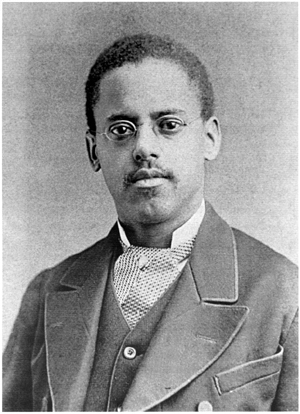
Lewis Howard Latimer developed a method for producing a durable carbon filament for incandescent light bulbs in 1878–1882, solving the central problem that had made early bulbs commercially unviable: the filament burned out within hours. Latimer’s patent for this process was filed while he worked for Hiram Maxim’s United States Electric Lighting Company; he subsequently joined Edison’s organisation and wrote the first technical manual on electric lighting - Incandescent Electric Lighting (1890).


His contribution to making electric lighting commercially feasible is routinely omitted from standard histories of Edison’s invention; Latimer held the technical knowledge without which Edison’s system could not have been profitably deployed at scale. .

Paramaribo, Dutch Guiana (present-day Suriname)

Jan Ernst Matzeliger

Jan Ernst Matzeliger invented the lasting machine in 1883 - a device that mechanically attached the upper part of a shoe to its sole, automating the most labour-intensive step in shoemaking. The machine reduced the cost of shoes by approximately 50% and increased production speed by a factor of ten, transforming the global footwear industry.


The United Shoe Machinery Company, which acquired his patent, became one of the most powerful manufacturing monopolies in American history - built directly on a Black inventor’s work. Matzeliger died of tuberculosis at 37, before profiting substantially from his invention; his patent was valued at over $1 million at his death.

USA

Daniel Hale Williams

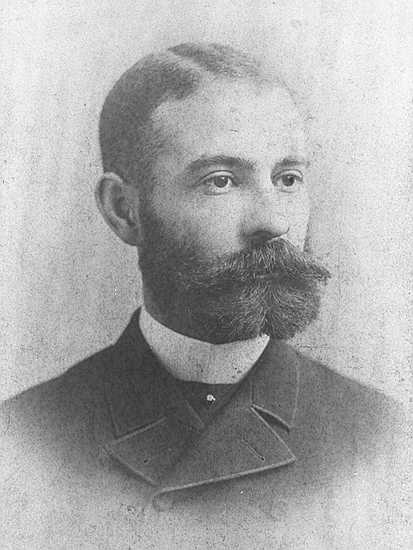
Daniel Hale Williams repaired a stab wound to the pericardium on July 9, 1893, at Provident Hospital in Chicago—often cited among the earliest documented successful open-chest cardiac interventions in the United States. He undertook the operation in a facility he helped organize because Black physicians were excluded from white-controlled voluntary hospitals.


James Cornish’s survival with years of follow-up care demonstrated that sterile technique, anesthesia, and rapid decision-making—not donor whiteness—determined outcomes.


Williams later co-founded the National Medical Association, integrated the American College of Surgeons as its sole Black charter fellow at the time, and modeled how Black-led institutions could train nurses and doctors while agitating for hospital desegregation nationwide.

USA

Ida B. Wells-Barnett

Ida B. Wells-Barnett produced a systematic statistical and investigative study of lynching in the American South, published as A Red Record in 1895, constituting one of the earliest applications of empirical social science methodology to racial violence. Her data collection methods, cross-referencing newspaper reports, court records, and eyewitness testimony, were more rigorous than most contemporaneous social science.


She documented 241 lynchings in a single year and disproved the prevalent justificatory claims with quantitative evidence. Her work established the empirical framework that W.E.B. Du Bois and later researchers used to document racial terror; she is the intellectual progenitor of what is now called hate crime data science.

USA (enslaved birth) / USA

George Washington Carver

George Washington Carver joined Tuskegee Normal and Industrial Institute in 1896 as the head of its Agriculture Department, beginning the research program that would produce more than 300 products derived from peanuts and more than 100 from sweet potatoes. Carver’s practical focus was specifically the economic situation of Black farmers in the Alabama Black Belt, who had exhausted their soil growing cotton for decades: he promoted crop rotation - alternating cotton with peanuts and sweet potatoes - as a soil-restoration strategy that would also give Black farmers marketable alternative crops. His research was directed at agricultural self-sufficiency for communities systematically denied access to federal agricultural programs and capital markets. The peanut research, which became his most famous work, was specifically designed to create market demand for a crop that poor Black farmers could grow on depleted land.

USA

Madam C.J. Walker

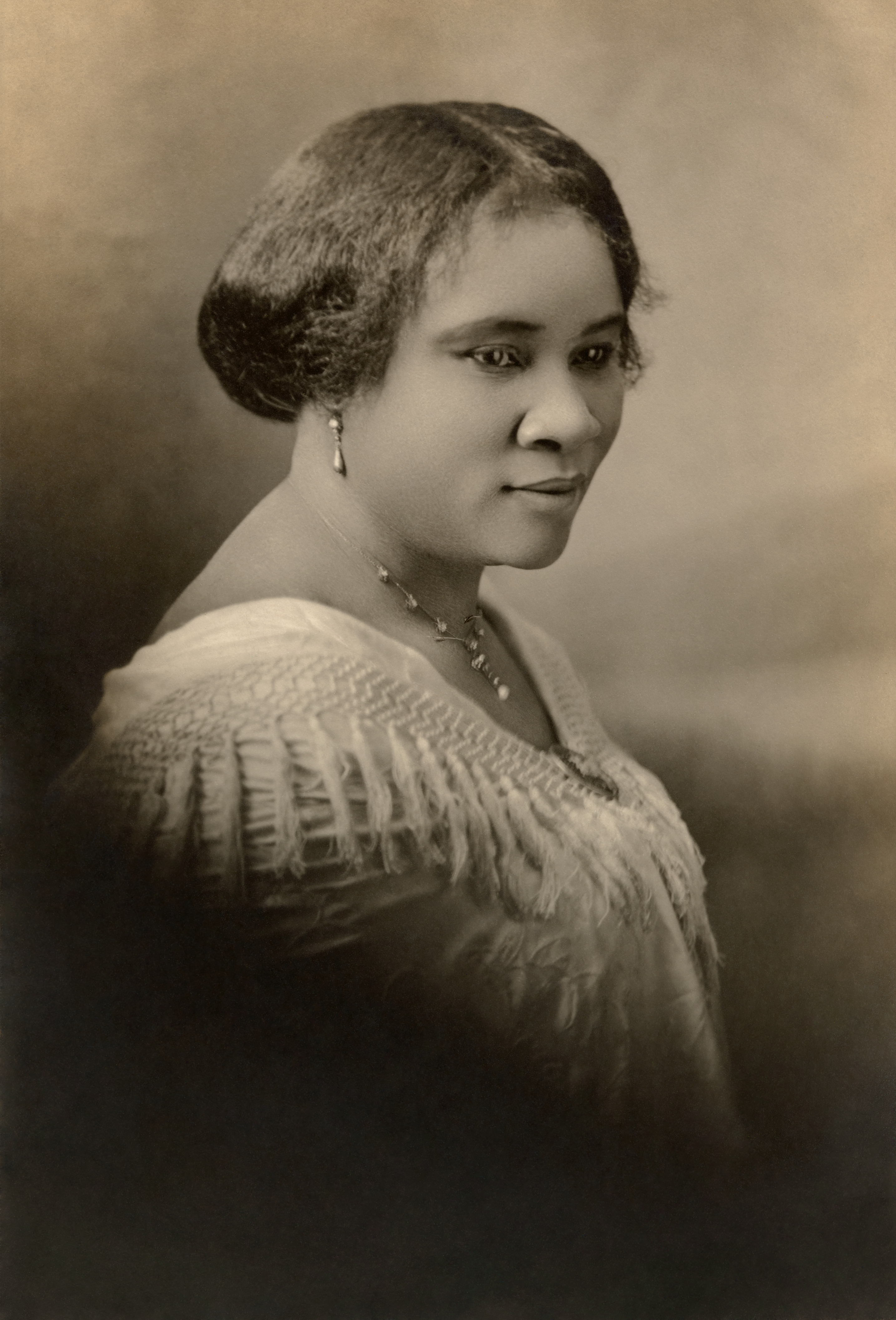
Born Sarah Breedlove, Madam C.J. Walker developed a line of hair care products and scalp treatments specifically formulated for Black women in the early 1900s, building a manufacturing and sales empire that made her the first self-made female millionaire in the United States. Her business model, centered on a national network of trained door-to-door “Walker Agents,” created unprecedented economic opportunities for over 40,000 Black women at a time when domestic service was their near-universal employment option. She established beauty colleges and factory operations, including the Walker Building in Indianapolis, transforming hair care into a scalable industry.


Walker also pioneered integrated brand design, structuring her company’s visual identity through uniform product packaging, marketing materials, and a signature agent livery consisting of a white shirtwaist and black skirt. She strategically leveraged her wealth for political advocacy and social reform, funding anti-lynching campaigns, contributing to the NAACP, and lobbying President Woodrow Wilson for federal legislation. Her legacy of wealth redistribution continued after her death, with her estate funding scholarships and supporting the Harlem Renaissance through her daughter, A’Lelia Walker.

USA

Garrett Morgan

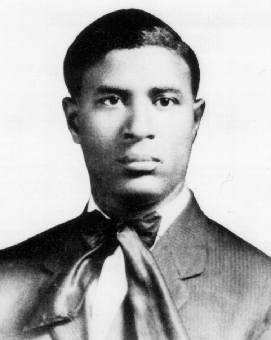
Garrett Morgan patented a three-position traffic signal in 1923 that inserted an all-direction “stop” interval before cross traffic moved—an improvement on binary stop/go lights that could not protect pedestrians or turning vehicles. Cities licensed the design because it reduced collisions without requiring new infrastructure.


Years earlier his Safety Hood smoke mask helped rescue workers survive the 1916 Waterworks Tunnel disaster beneath Lake Erie, yet white-run municipal buyers often masked his identity to secure contracts.


When Southern clients learned a Black inventor stood behind the hood, purchase orders evaporated—an object lesson in how Jim Crow markets punished Black engineering even when patents proved efficacy at scale.

USA

Meta Vaux Warrick Fuller

Meta Vaux Warrick Fuller studied sculpture in Paris under Auguste Rodin from 1899 and produced works examining African American experience and identity that anticipate the Harlem Renaissance by over a decade. Her 1907 sculpture The Wretched and her 1914 work Ethiopia Awakening, depicting an Egyptian queen emerging from mummy wrappings, are among the earliest documented instances of Afrocentric iconography in American fine art used as a tool of political and psychological assertion. W.E.B. Du Bois commissioned her work for several major public events. Her career was interrupted when a fire in a storage facility destroyed many of her early pieces.

USA

Ernest Everett Just

Ernest Everett Just conducted foundational research in marine biology and cell science at the Marine Biological Laboratory at Woods Hole from 1909, publishing over 60 papers on cell division, fertilisation, and the role of the cell surface in embryological development. His 1939 book The Biology of the Cell Surface argued, against prevailing orthodoxy, that the cell surface (ectoplasm) plays an active and essential role in cell function - a position now accepted as correct.


Just was denied faculty positions commensurate with his output at American research universities and was forced to work in Europe; white colleagues published similar findings after him and received the institutional credit. His work is foundational to modern cell biology.

USA

George Washington Murray

George Washington Murray, a farmer and educator born into enslavement, invented eight agricultural implements between 1894 and 1895 - including a cotton chopper, a fertiliser distributor, a planter, and a cotton cultivator - receiving eight patents in a single year, the most patents awarded to a Black American in any single year during the 19th century.


He also served as a U.S. Congressman from South Carolina from 1893 to 1897, making him simultaneously a sitting legislator and a practising agricultural engineer. His inventions addressed the specific soil and crop conditions of post-Reconstruction Black farming communities in the South.

USA

Granville T. Woods

Granville T. Woods patented the Railway Induction Telegraph in 1887, enabling real-time communication between moving trains and stations - directly preventing the collisions that had killed hundreds of rail workers and passengers annually. He held over 50 patents in electrical engineering, including advances in telephone transmitters, electric railways, and electrical braking systems. Both Edison and Bell challenged his patents in court; Woods defeated both challenges and retained his patents.


His electrical braking system was incorporated into early subway systems in New York and Boston; his work formed a direct technical basis for electrical transit infrastructure, though Edison and Bell’s corporate successors received the subsequent historical credit.

USA

Euphemia Lofton Haynes

Euphemia Lofton Haynes became the first Black woman to earn a Ph.D. in mathematics in the United States in 1943, from the Catholic University of America. She taught mathematics in the Washington D.C. public school system for 47 years and served on the D.C. Board of Education, where she led the campaign against the tracking system that systematically channelled Black students away from advanced mathematics courses.


Her advocacy directly shaped mathematics curriculum policy in D.C. during the critical decades leading to desegregation and established an institutional record linking educational tracking to racial stratification in STEM outcomes.

Seattle, Washington, USA

Alice Ball

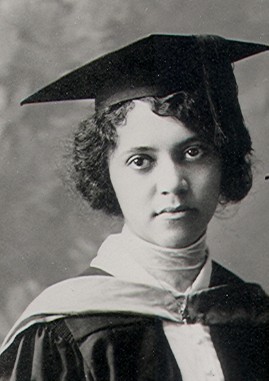
Alice Ball, a chemist at the University of Hawaii, developed the first effective treatment for leprosy (Hansen’s disease) in 1915 by producing an injectable form of chaulmoogra oil - isolating the active ethyl ester compounds that the body could absorb, after over a century of failed attempts by other researchers.


She died at 24 before publishing her results; the university’s subsequent president published her findings under his own name without crediting her. It took her colleague Arthur Dean three years of public advocacy before Ball’s name was formally restored to the discovery. She was the first woman and first Black person to earn a Master of Science degree from the University of Hawaii.

USA

Charles Henry Turner

Charles Henry Turner published over 70 scientific papers in entomology, zoology, and animal behaviour between 1892 and 1923, including the first demonstration that honeybees can see colour and that cockroaches learn by trial and error - findings that significantly advanced the study of invertebrate cognition. He described the circular homing flight of bees before departure as a navigational memory behaviour, a phenomenon now called “Turner’s circling” in the literature.


He was refused a faculty position at any major research university due to segregation and conducted much of his research while teaching at a St. Louis high school with no laboratory funding. His contributions were systematically ignored by the establishment and only belatedly acknowledged in the history of animal behaviour.

USA

Lloyd Hall

Lloyd Hall developed the use of ethylene oxide gas for sterilising food and medical supplies in the 1940s - a process now standard in the global food preservation industry. He held over 100 patents in food chemistry, including innovations in meat curing compounds, antioxidants to prevent rancidity, and protein hydrolysates used in food flavouring.


He worked as chief chemist at Griffith Laboratories from 1925 to 1959, contributing the foundational chemistry to much of what became the modern food processing and preservation industry. His race was not known to many of his business clients for years; when revealed, several attempted to void existing contracts.

USA

Percy Lavon Julian

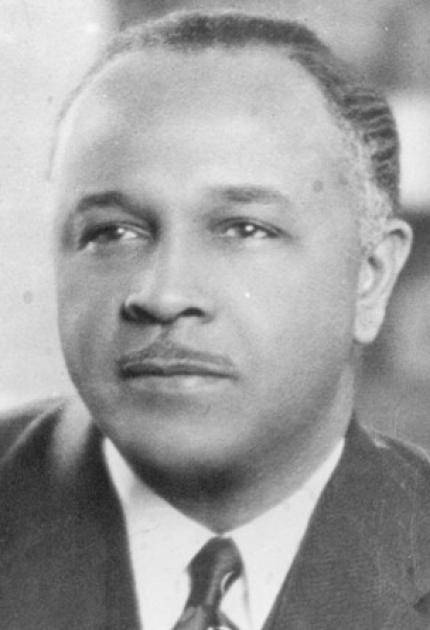
Percy Lavon Julian synthesised physostigmine from calabar beans in 1935, completing a total synthesis that a team at Oxford had attempted and failed; his publication in the Journal of the American Chemical Society confirmed the correct molecular structure of the compound. He later synthesised cortisone from soybean oil - making the anti-inflammatory drug affordable for the first time - and developed a progesterone synthesis that reduced hormonal drug costs globally.


Julian was denied a faculty position at DePauw University despite his international standing; his home in Oak Park, Illinois was bombed twice and an attempt was made to poison his water supply after he moved into a white neighbourhood in 1951. He founded his own pharmaceutical company and eventually sold it for over $2 million.

USA

Dorothy Vaughan

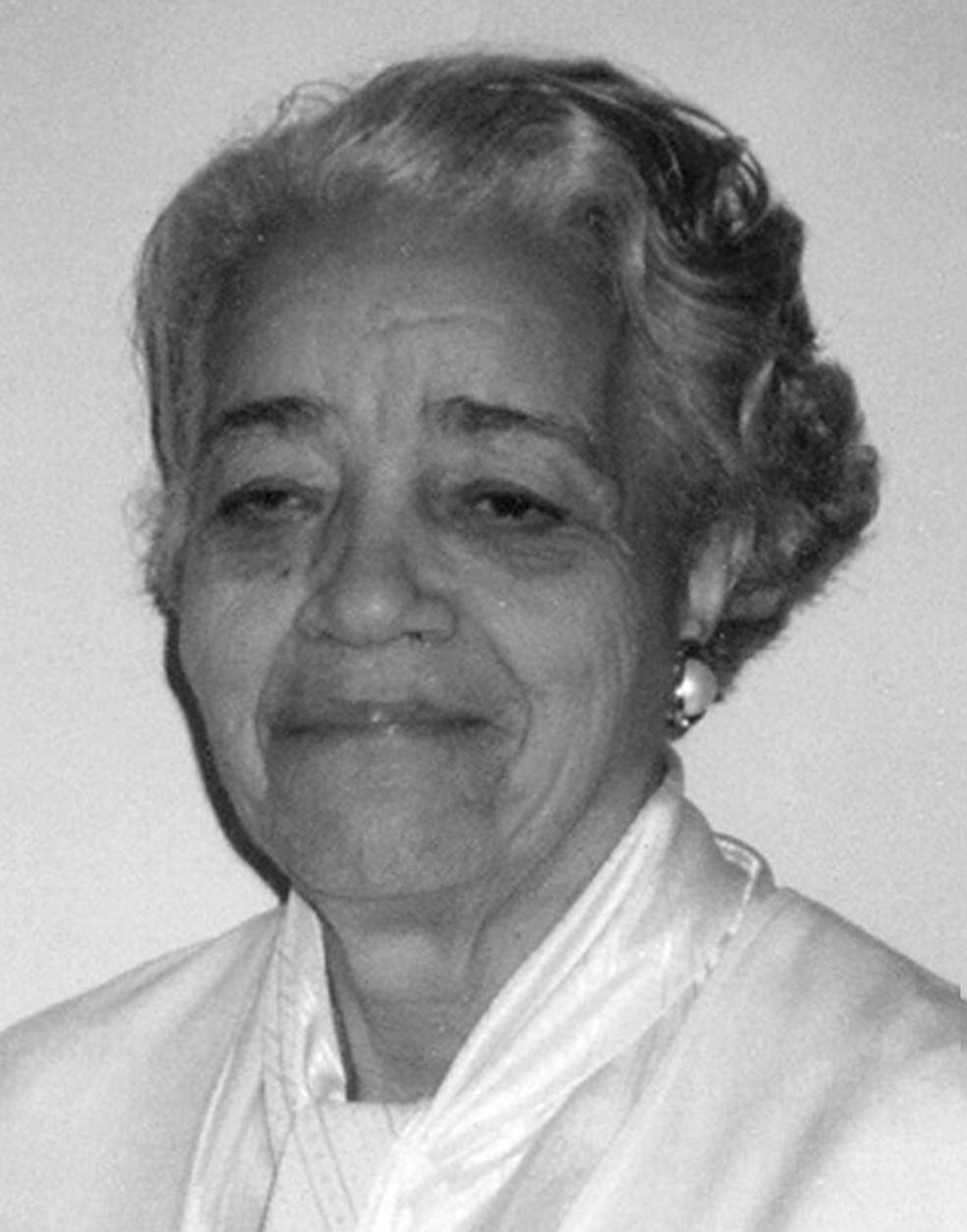
Dorothy Vaughan became the first Black supervisor at NACA in 1949, leading the segregated West Area Computing section at Langley Research Center after years of performing supervisory work without supervisory pay or title. When NASA transitioned to electronic computing in the late 1950s, Vaughan independently learned Fortran and trained her entire team, making them indispensable to the new computing infrastructure before any formal training program was implemented.


She contributed to the Scout launch vehicle programme and to FORTRAN-based trajectory calculations for early space missions. Her role was omitted from NASA’s institutional histories until the research underpinning Hidden Figures was published.

USA

Vivien Thomas

Vivien Thomas, a laboratory technician with no formal medical degree, developed the surgical technique for correcting blue baby syndrome (tetralogy of Fallot) in 1943–1944 at Johns Hopkins Hospital, constructing a model of the operation through over 200 experimental surgeries in dogs to perfect the anastomosis technique before it was attempted on a human patient.


The procedure was performed by surgeon Alfred Blalock, who credited Thomas’s role; the operation became known in medical literature as the “Blalock-Taussig shunt,” omitting Thomas entirely. Thomas was paid at a janitor’s wage scale throughout his career at Johns Hopkins despite functioning as a senior surgical researcher. Hopkins awarded him an honorary doctorate in 1976.

USA

Katherine Johnson

Katherine Johnson calculated the trajectory for Alan Shepard’s 1961 Freedom 7 mission - the first American human spaceflight - and John Glenn explicitly refused to launch on his 1962 orbital mission until Johnson personally verified the electronic computer’s calculations. She calculated trajectories for the Apollo 11 Moon landing mission and the Apollo 13 emergency return.


Johnson worked as a “computer” at NACA from 1953, initially in a segregated computing pool; her contributions were classified and publicly uncredited until the publication of Margot Lee Shetterly’s Hidden Figures in 2016. NASA named a computational research facility after her in 2016; the Presidential Medal of Freedom was awarded the same year.

USA

David Blackwell

David Blackwell was a mathematician and statistician who made foundational contributions to game theory, probability theory, Bayesian statistics, and information theory. He developed the Rao-Blackwell theorem (independently of C.R. Rao), which provides a method for improving any estimator to one that is optimal, and proved fundamental results in dynamic programming and Markov decision processes.


He became the first Black scholar inducted into the National Academy of Sciences in 1965…but was denied a fellowship at the Institute for Advanced Study in Princeton in 1941 solely because he was Black; Princeton University at the time refused to admit Black scholars to social events, making the fellowship untenable.

USA

Henrietta Lacks

Henrietta Lacks was a Black woman whose cancer cells, taken without her knowledge or consent at Johns Hopkins Hospital in 1951, became the HeLa cell line - the first immortal human cell line, and the most consequential biological material in the history of biomedical research. HeLa cells were used in the development of the polio vaccine, cancer research, gene mapping, in vitro fertilisation, and COVID-19 vaccine development, generating an estimated $17 billion in commercial value.


Lacks and her family received no compensation, no notification, and no consent; her identity was initially falsified in publications as “Helen Lane.” Her case is a central document in the history of medical racism, bioethical exploitation, and the absence of informed consent protections for Black patients.

USA

Mary Jackson

Mary Jackson became NASA’s first Black female engineer in 1958, specialising in wind tunnel aerodynamic data analysis for aircraft and spacecraft performance. She was required to petition a court for permission to attend the advanced engineering courses needed for her promotion - held at a segregated school in Hampton, Virginia.


She later transferred to managing NASA’s Affirmative Action and Federal Women’s Program, working to advance Black scientists and engineers institutionally. Her combined technical and administrative contributions shaped both the aerodynamic research record and the institutional pipeline for Black engineers at NASA.

USA

Norma Sklarek

Norma Merrick Sklarek became the first Black woman licensed as an architect in New York (1954) and later California, then the first Black woman elevated to AIA Fellow (1980) after leading large teams on LAX Terminal 1, the U.S. Embassy in Tokyo, and Fox Plaza. Gruen Associates and Welton Becket relied on her technical coordination when sexist offices sidelined other women.


Colleagues nicknamed her “the Rosa Parks of architecture” for refusing to accept back-room drafting roles once her exams proved jurisdiction-level competence.


As co-founding principal of Siegel Sklarek Diamond, she modeled Black women–led firms bidding public works at scale, expanding what mentorship looks like when licensure pipelines still leak talent at every exam sitting.

USA

Meredith Gourdine

Meredith Gourdine earned a Ph.D. in engineering science from the California Institute of Technology in 1960 and developed the process of electrogasdynamics - converting kinetic energy of flowing gas into electrical energy - for which he holds a foundational patent. He founded Gourdine Systems in 1964 and developed technologies derived from his electrogasdynamic research including Incineraid, a system for removing smoke from buildings used in the redesign of fire safety systems in New York City.


He held over 70 patents and his company developed the direct energy conversion technology that underpins multiple modern industrial electrostatic applications. He became functionally blind due to diabetes, but continued inventing.

USA

Gladys West

Gladys West worked as a mathematician at the Naval Surface Weapons Center from the 1950s through the 1980s, developing the mathematical models for satellite geodesy that underpinned GPS. Her programming of an IBM 7030 computer to produce a precise geoid, a model of Earth’s shape accounting for gravitational variation, provided the mathematical foundation on which all GPS navigation coordinates are based. Her contribution was classified and unknown outside her immediate department for over three decades.


She was inducted into the Air Force Space and Missile Pioneers Hall of Fame in 2018 when her role was publicly documented for the first time, at age 87.

USA

Samuel L. Kountz

Samuel L. Kountz performed the first successful kidney transplant between humans who were not identical twins in 1961, at Stanford University - a technical and immunological achievement that established the viability of allograft kidney transplantation as a medical practice.


He subsequently developed the perfusion pump to keep donor kidneys viable outside the body for up to 50 hours, extending the window for transplantation surgery and making organ distribution logistics feasible. He performed over 500 kidney transplants during his career and trained over 22 surgeons. His work is the direct foundation of modern kidney transplantation medicine.

USA

Charles Richard Drew

Charles Richard Drew conducted foundational research on blood plasma preservation and storage at Columbia University in 1939–1940, demonstrating that plasma could be separated from whole blood and stored for weeks without deterioration - solving the central logistical problem of wartime medical care. He established the first large-scale blood bank in the United States and organised the blood plasma programs for the British and American militaries in the early years of World War II.


He was subsequently forced to resign his directorship of the American Red Cross program after protesting the organisation’s policy of segregating blood donations by race - a policy with no scientific basis that Drew explicitly and publicly identified as racist pseudoscience. He died in 1950; the claim that he was refused a blood transfusion at a segregated hospital is [disputed], though widely repeated.

Jamaica

Bertram Fraser-Reid

Bertram Fraser-Reid developed n-pentenyl glycosides - a class of reagents enabling controlled glycosylation in carbohydrate chemistry - at Duke University in the 1980s, a technical advance that made it possible to systematically synthesise complex carbohydrates for the first time. His methods enabled the development of carbohydrate-based drugs and vaccines, including work toward carbohydrate antigens for cancer and infectious disease vaccines.


He is among the most cited chemists in the world in the field of carbohydrate chemistry and is widely credited with establishing the modern synthetic methodology of the field. Bertram was the first Black president of the International Carbohydrate Organisation.

USA

Mary Beatrice Davidson Kenner

Mary Beatrice Davidson Kenner invented the sanitary belt with a moisture-proof napkin pocket - the functional precursor to the modern adhesive sanitary pad - in 1956, along with a toilet paper holder and a serving tray for wheelchair users. She held five patents, more than any other Black woman in American history at the time of her death.


A manufacturing company expressed interest in licensing her sanitary belt patent in 1956 but withdrew upon discovering she was Black. Her inventions addressed health and hygiene needs that disproportionately affected women and disabled people without access to adequate facilities.

Swaziland (present-day Eswatini)

Lydia Makhubu

Lydia Makhubu was a biochemist and Vice-Chancellor of the University of Swaziland whose research focused on traditional medicinal plants of the Swazi pharmacopoeia, systematically documenting and screening compounds for anti-malarial, anti-bacterial, and immunomodulatory activity.


She was the first woman elected President of the Third World Organisation for Women in Science and served on the Executive Board of UNESCO. Her methodological framework for integrating ethnobotanical knowledge with laboratory biochemical screening has been adopted at multiple African research institutions as a model for valorising indigenous pharmaceutical knowledge.

USA

Patricia Bath

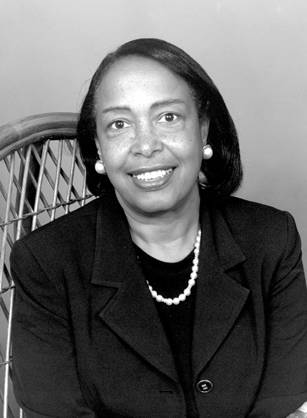
Patricia Bath invented the Laserphaco Probe in 1981, a device that uses laser energy to vaporise cataracts enabling their painless and efficient removal - a technique now used globally. She was the first Black woman to receive a patent for a medical device and the first woman to head an ophthalmology residency program in the United States, at UCLA.


Bath co-founded the American Institute for the Prevention of Blindness, proposing as a medical student that blindness rates in Black and white Harlem patients differed measurably - a disparity she documented empirically - and establishing “community ophthalmology” as a field of preventive care. Her patent was initially filed in the U.S. in 1981 and granted in 1988 after years of delay.

Sudan / UK

Mo Ibrahim

Mo Ibrahim, a Sudanese-British businessman and engineer who founded Celtel International, built a mobile telecommunications network across 14 African countries in the 1990s–2000s, providing mobile phone access to 24 million subscribers in areas with no landline infrastructure - directly enabling economic activity, mobile banking, and health communications for populations that had been excluded from global telecommunications.


He also established the Mo Ibrahim Prize for African Leadership and the Ibrahim Index of African Governance, creating the most comprehensive empirical database of African governance performance. His telecommunications infrastructure work is credited with enabling the mobile money revolution in sub-Saharan Africa.

USA

Shirley Ann Jackson

Shirley Ann Jackson became the first Black woman to earn a Ph.D. from MIT in 1973, in theoretical elementary particle physics. Her research at Bell Laboratories in the 1970s–1980s on semiconductor and subatomic particle physics was the direct technical basis for the development of caller ID, call waiting, the portable fax machine, fibre optic cables, and solar cell advances.


She holds no direct patents for these applications, as her work was conducted as a Bell employee; the telecommunications industry generated hundreds of billions in revenue from technologies built on her foundational research. She later served as Chair of the U.S. Nuclear Regulatory Commission and as president of Rensselaer Polytechnic Institute.

USA

Shirley Malcolm

Shirley Malcolm has directed the Education and Human Resources program at the American Association for the Advancement of Science (AAAS) since 1989, producing decades of empirical research on the structural barriers preventing Black, female, and disabled students from entering STEM fields.


Her policy work directly shaped the National Science Foundation’s ADVANCE programme and multiple federal STEM diversity initiatives. She served on the Presidential Commission on the National Medal of Science and the boards of organisations governing science education policy across the United States. Her work established quantitative benchmarks for measuring representational equity in science that are now standard in institutional reporting.

USA

Jane Cooke Wright

Jane Cooke Wright developed methods for testing chemotherapy drugs on human tissue cultures rather than mice alone in the late 1940s and 1950s, making it possible to screen for the efficacy of cancer-killing compounds before human trials - a foundational innovation in oncology research methodology.


She was the first person to demonstrate the effectiveness of methotrexate for breast cancer and skin cancer. Jane was appointed associate dean at New York Medical College in 1967, making her the highest-ranked Black woman at a U.S. medical institution at that time. She was a founding member of the American Society of Clinical Oncology.

USA

Lonnie Johnson

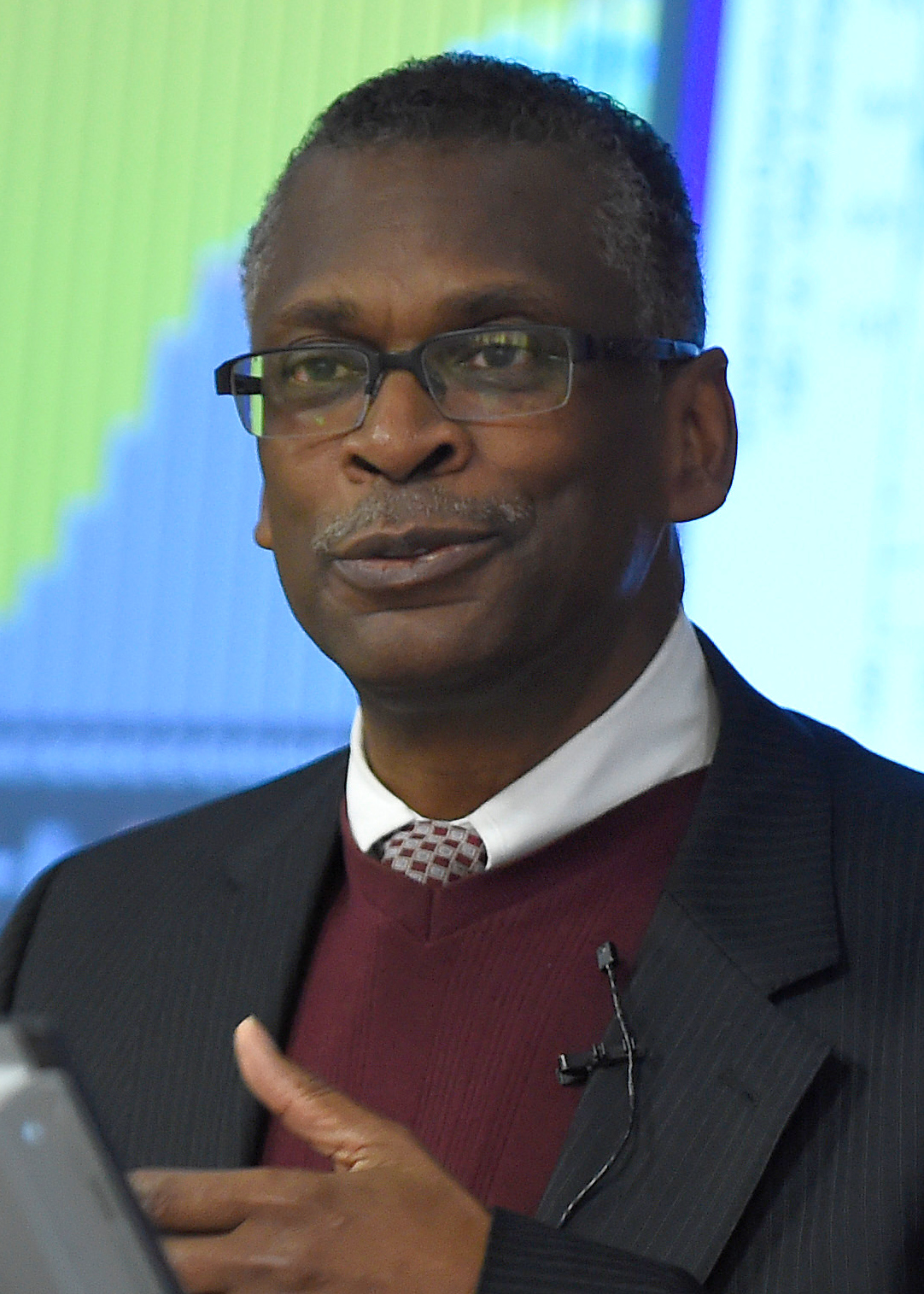
Lonnie Johnson is an aerospace engineer who contributed to power systems for NASA’s Galileo Jupiter mission and the Cassini Saturn probe. In 1989, he invented the Super Soaker pressurised water gun, which became the best-selling toy in the United States in 1991 and 1992 and has generated over $1 billion in cumulative sales. Johnson holds over 120 patents.


His most significant ongoing technical work is the JTEC (Johnson Thermoelectric Energy Converter), a device for direct heat-to-electricity conversion at efficiencies that could substantially improve solar energy systems and waste heat recovery; the technology is currently under development with DOE and DARPA funding.

Nigeria

Oyewusi Ibidapo-Obe

Oyewusi Ibidapo-Obe, an electrical and systems engineer at the University of Lagos, developed mathematical models for the control of complex engineering systems - specifically non-linear dynamical systems relevant to manufacturing and aerospace control - and served as Vice-Chancellor of the University of Lagos. His work on chaos control and systems dynamics has been cited in international engineering literature. He also led policy initiatives establishing Nigeria’s national engineering education standards and was elected to fellowship of the Nigerian Academy of Engineering and the African Academy of Sciences.

Ghana

Thomas Mensah

Thomas Mensah holds nine patents related to fibre optic cable manufacturing, developing the continuous-draw process at Corning Inc. in the 1980s that reduced the cost and increased the production speed of fibre optic cable sufficiently to enable the global expansion of the internet’s physical backbone. He is credited with making high-speed commercial fibre optic networks economically feasible.


He subsequently held senior positions in nanotechnology, developing nano-fibre-based gas sensors and structural materials, and has lectured extensively on the role of African scientists in the development of global telecommunications infrastructure.

Lesotho

Tebello Nyokong

Tebello Nyokong, a chemist at Rhodes University in South Africa, developed phthalocyanine-based photosensitisers - light-activated compounds that generate reactive oxygen species capable of killing cancer cells - advancing the field of photodynamic therapy for cancer treatment.


Her group has published over 700 peer-reviewed papers and she holds multiple patents on photosensitiser compounds now in pre-clinical and clinical development. She was awarded the Order of Mapungubwe (South Africa’s highest honour), the L’Oréal-UNESCO Award for Women in Science for Africa, and was elected to the Academy of Sciences of South Africa. She is one of the most cited chemists on the African continent.

Kenya

Calestous Juma

Calestous Juma was a professor at Harvard Kennedy School whose research on innovation systems in developing economies influenced national technology policy across Africa. He served as Executive Secretary of the UN Convention on Biological Diversity and led the negotiating team that produced the Cartagena Protocol on Biosafety - the international legal framework governing the trade and use of genetically modified organisms.


His 2016 book Innovation and Its Enemies provided an empirical framework for understanding political resistance to transformative technologies, drawing on historical cases from agriculture, energy, and computing, and has shaped policy in over a dozen African governments.

Nigeria

Philip Emeagwali

Philip Emeagwali developed a computing formula in 1989 that enabled a network of 65,536 microprocessors to perform 3.1 billion calculations per second - a world record at the time and the first demonstration that massively parallel distributed computing was practically achievable at that scale. The application was simulation of oil reservoir fluid dynamics, but the architecture anticipated the distributed processing model underlying the modern internet. He won the 1989 Gordon Bell Prize, the highest award in supercomputing.


Bill Clinton cited his work in 1998 as foundational to internet computing development, though the precise nature of his contribution to the internet’s architecture remains a subject of debate in the computing community.

USA

Helene Gayle

Helene Gayle joined the CDC in 1984 and led the agency’s global HIV/AIDS programme, directing international AIDS epidemiology and response across sub-Saharan Africa during the epidemic’s most acute phase. Her epidemiological research corrected early transmission models that had mischaracterised the epidemic’s spread in African populations, models that were being used to justify discriminatory health policies.


She subsequently directed CARE International and the Chicago Community Trust. Her methodological corrections to African HIV epidemiology are estimated to have redirected hundreds of millions of dollars in public health funding toward evidence-based interventions.

USA

Mae C. Jemison

Became the first Black woman to travel to space on September 12, 1992, aboard the Space Shuttle Endeavour on mission STS-47. Before joining NASA, she served as a Peace Corps medical officer in Sierra Leone and Liberia. After leaving NASA, she founded the Jemison Group to advance technology in developing countries and created the 100 Year Starship project.


Mae was awarded the DARPA/NASA 100 Year Starship grant in 2012 to lead a study on the long-term feasibility of interstellar travel, integrating medicine, engineering, social science, and policy in what is the most comprehensive public planning exercise for human interstellar travel undertaken by a government-funded institution. Her Dorothy Jemison Foundation also developed the science curriculum The Earth We Share deployed in 40 countries. She has argued systematically that science education policy and space exploration policy are indivisible from questions of global equity and colonial history.

USA

Mark Dean

Mark Dean co-developed the IBM Personal Computer architecture in 1981 as a member of the original 12-person development team at IBM, holding three of the original nine patents on the IBM PC - including the Industry Standard Architecture (ISA) bus that allowed peripherals to communicate with the PC, making the open architecture model possible.


He later led the team that developed the first one-gigahertz computer processor chip in 1999. The IBM PC architecture became the global standard for personal computing; Dean has noted publicly that the PC has been superseded, a perspective grounded in his original design knowledge. His foundational patent contributions are absent from most popular histories of the personal computer.

Ethiopia

Segenet Kelemu

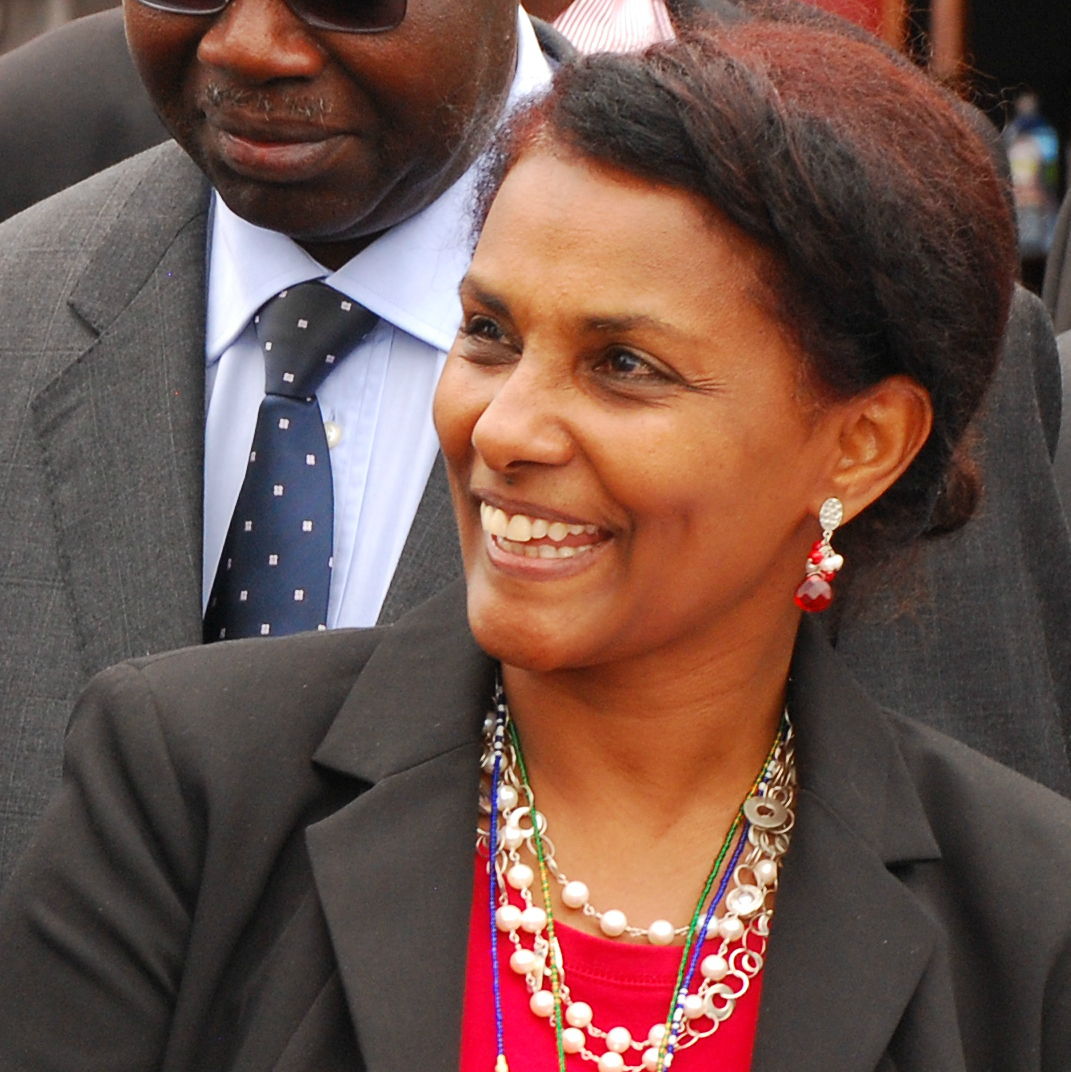
Segenet Kelemu is a plant pathologist and molecular biologist who served as Director General of the International Centre of Insect Physiology and Ecology (icipe) in Nairobi and previously at the International Centre for Tropical Agriculture. Her research identified the molecular basis of pathogen-host interactions in tropical forage plants and developed biological control strategies for pathogens affecting food security across sub-Saharan Africa.


She was awarded the L’Oréal-UNESCO Award for Women in Science in 2014. Her work on biological control of plant pathogens without synthetic pesticides has direct application to food security for farming communities across Africa and Latin America.

USA

Neil deGrasse Tyson

Neil deGrasse Tyson became Director of the Hayden Planetarium in 1996 and has published peer-reviewed research in astrophysics on star formation in starburst galaxies and the chemical evolution of the Milky Way. He served on NASA’s advisory board and on the Presidential Commission on the Future of the United States Aerospace Industry under George W. Bush.


His institutional advocacy for reclassifying Pluto as a dwarf planet - which he implemented in the Hayden Planetarium’s exhibit design before the International Astronomical Union’s 2006 vote - drove the public debate that led to the IAU decision. He is one of the few astrophysicists to have directly influenced a taxonomic reclassification in planetary science through popular scientific communication.

Canada

Claudia Alexander

Claudia Alexander was a geophysicist at NASA’s Jet Propulsion Laboratory who served as project manager for the Galileo spacecraft’s final operational years, overseeing the mission that generated over 14,000 images and produced evidence for a liquid water ocean beneath Europa’s ice - a finding central to the search for extraterrestrial life.


She subsequently served as U.S. project scientist for NASA’s contribution to the ESA/NASA Rosetta comet mission. Her specific contribution to characterising Europa’s magnetosphere and subsurface ocean was cited in the scientific literature underpinning subsequent Europa mission planning. She died of breast cancer in 2015, before the Rosetta mission’s landmark comet landing.

South Africa

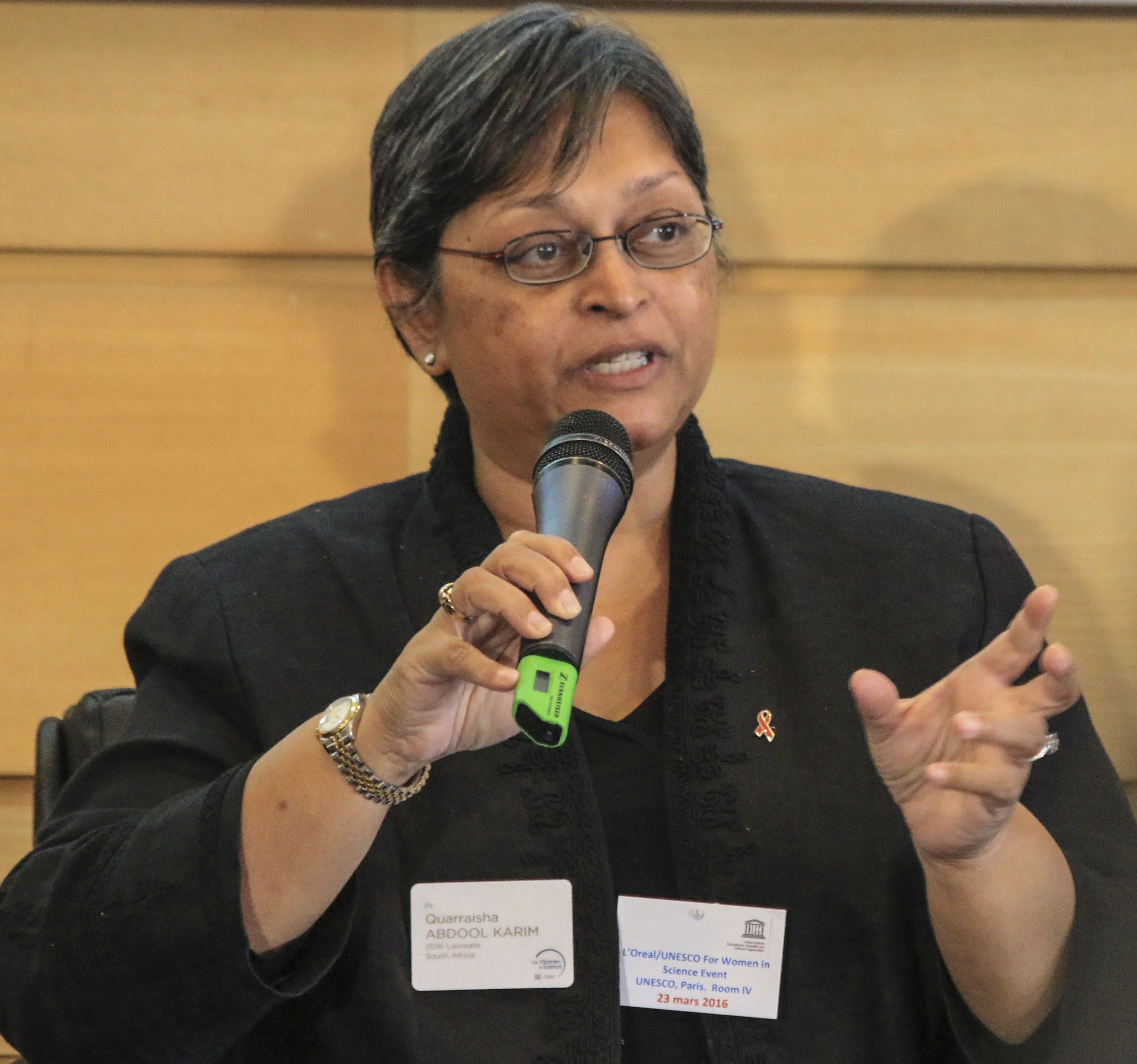
Quarraisha Abdool Karim

Quarraisha Abdool Karim is an epidemiologist and infectious disease specialist at the University of KwaZulu-Natal whose research demonstrated that a tenofovir-based vaginal microbicide gel could reduce HIV transmission in women by up to 39% - published in Science in 2010 as the CAPRISA 004 trial. This was the first clinical demonstration that a woman-controlled HIV prevention method was effective, directly addressing the structural reality that women in southern Africa have limited power to negotiate condom use.


She serves as Pro Vice-Chancellor (Research) at UKZN and as Scientific Director of the CAPRISA centre. She was awarded the L’Oréal-UNESCO Award for Women in Science and elected to multiple international science academies.

USA

Clarence "Skip" Ellis

Clarence Ellis became the first Black person to earn a Ph.D. in computer science in the United States, from the University of Illinois at Urbana-Champaign in 1969.


He later developed operational transformation - the algorithm that enables multiple users to edit a shared document simultaneously, managing conflicting edits in real time - at Xerox PARC in the 1980s. Operational transformation is the technical foundation of Google Docs, Google Sheets, and all modern real-time collaborative document editing. His contribution was foundational to the collaborative software architecture now used by hundreds of millions of people daily.

Nigeria

Oluyinka Olutoye

Oluyinka Olutoye, a paediatric surgeon at Texas Children’s Hospital and Baylor College of Medicine, co-developed and led the team that performed the first surgery on a foetus still in the uterus to remove a large sacrococcygeal teratoma in 2016, with the foetus returned to the womb and subsequently born near term. He is a leading figure in foetal intervention and complex paediatric reconstructive surgery.


His work has advanced foetal surgery from an experimental procedure to a clinical standard of care for a range of in-utero conditions. He has also contributed extensively to research on foetal wound healing, specifically the mechanisms by which foetal skin heals without scarring.

USA

Ayanna Howard

Ayanna Howard developed autonomous robot terrain navigation software at NASA’s Jet Propulsion Laboratory that contributed to the control architecture of the Mars rover programme. She subsequently founded Zyrobotics, developing AI-based therapeutic and educational robotics for children with motor and cognitive disabilities.


She was appointed Dean of Engineering at Ohio State University in 2021; and her published research on bias in AI training data demonstrates that AI systems trained on non-representative data produce measurably worse performance for Black and disabled users, establishing an empirical case for demographic equity in AI development methodology.

USA

Raychelle Burks

Raychelle Burks, an analytical chemist at American University, developed low-cost colorimetric tests - paper-based chemical sensors that detect the presence of specific drugs, explosives, or pathogens through colour change - for use in low-resource settings including conflict zones and underserved communities.


Her work specifically addresses the need for forensic chemistry tools deployable without laboratory infrastructure, relevant to policing, public health, and environmental monitoring in communities that lack access to conventional laboratory facilities. She is also a prominent science communicator whose work focuses on the societal dimensions of chemistry.

Kenya/USA

Wanjiru Kamau-Rutenberg

Wanjiru Kamau-Rutenberg is a Kenyan scholar and executive who founded Akili Dada, a leadership incubator and scholarship organization designed to empower high-achieving young African women. She also directed the African Women in Agricultural Research and Development (AWARD) fellowship, a program that has equipped over 800 African women agricultural scientists with leadership and scientific skills across 24 countries.


Her work addresses structural gender inequality within African education and research systems. By pairing academic scholarships with intensive mentorship, Akili Dada proved that the gap in girls’ educational attainment is driven by economic and social barriers rather than capacity. Kamau-Rutenberg’s initiatives have successfully influenced international agricultural institutions to direct funding and resources specifically toward African female scientific talent.

USA

Hadiyah-Nicole Green

Hadiyah-Nicole Green developed a laser-activated nanoparticle cancer treatment - a targeted therapy in which nanoparticles are absorbed by cancer cells and then destroyed using a laser, leaving healthy tissue undamaged - achieving complete tumour elimination in animal studies published in 2018. She was the first Black woman to earn a Ph.D. in physics at the University of Alabama at Birmingham.


She received a $1.1 million grant from the Winship Cancer Institute at Emory University to advance her nanoparticle therapy toward clinical trials. Her work addresses a treatment modality that could significantly reduce the side effects of cancer treatment affecting Black patients who are disproportionately diagnosed at advanced stages.

Addis Ababa, Ethiopia

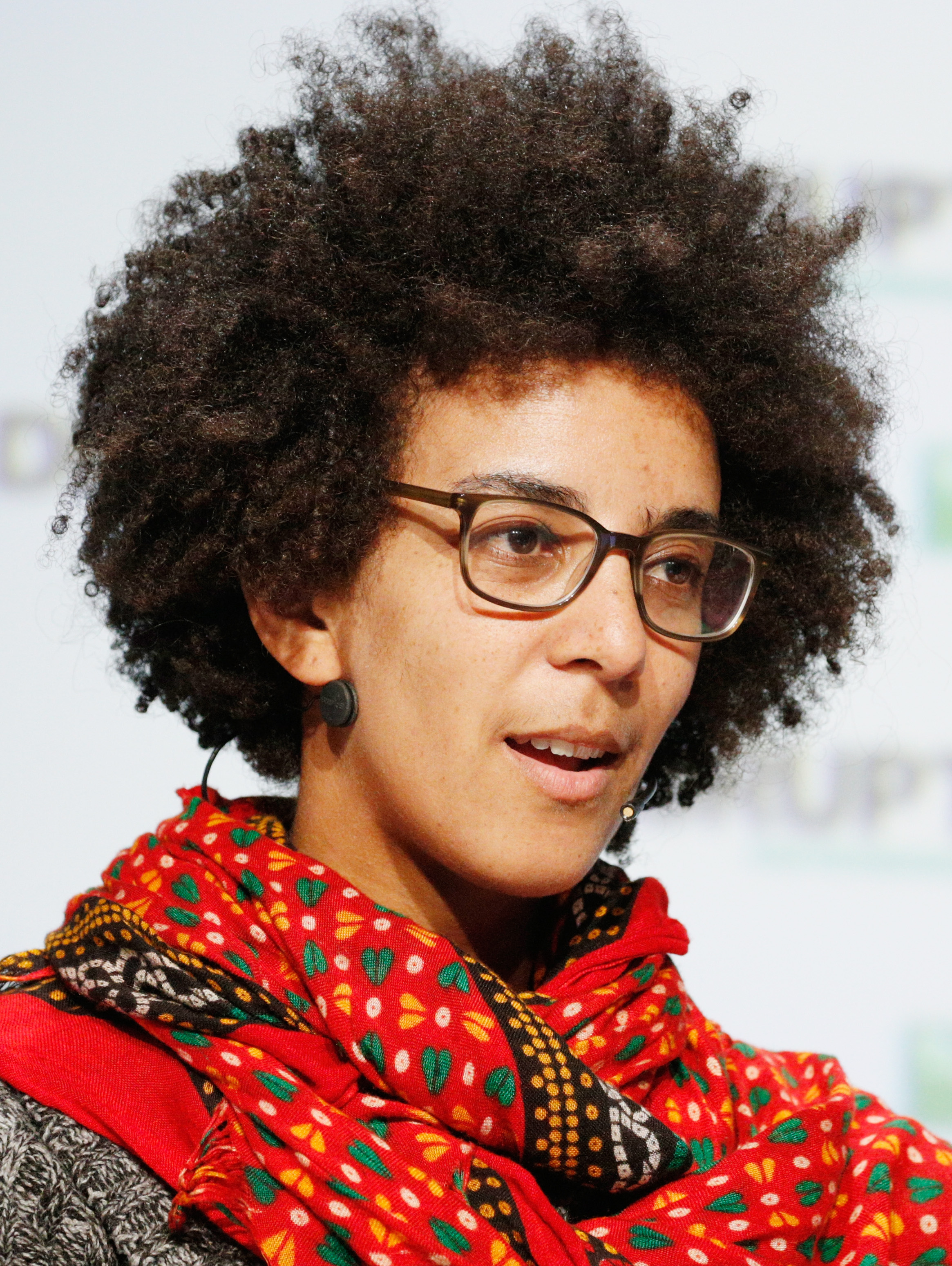
Timnit Gebru

Timnit Gebru co-authored the paper “Gender Shades” (2018, with Joy Buolamwini), which demonstrated empirically that commercial facial recognition systems from IBM, Microsoft, and Face++ performed significantly worse on dark-skinned faces - particularly dark-skinned women - than on light-skinned faces, with error rates up to 34% higher.


The paper, one of the most cited in AI ethics, directly forced public revisions of commercial facial recognition products and triggered regulatory scrutiny in multiple jurisdictions. Gebru co-founded Black in AI and was fired from Google in 2020 after a paper she co-authored on large language model risks was suppressed by Google management - a case that became a major documented instance of corporate retaliation against critical AI research.

Sierra Leone

David Moinina Sengeh

David Sengeh developed a novel prosthetic socket design at the MIT Media Lab that uses MRI imaging and computational modelling to create individually contoured prosthetic liners, eliminating the skin breakdown and chronic pain that make most conventional prosthetics unwearable for extended periods.


He was appointed Minister of Basic and Senior Secondary Education of Sierra Leone in 2018 and Chief Innovation Officer of the Government of Sierra Leone, implementing a nationwide data-driven school feeding and learning outcomes programme. His prosthetics technology has been piloted in clinical settings in both Sierra Leone and the United States.

Nigeria

Jude Ike

Jude Ike developed a low-cost paper-based diagnostic test for Lassa fever at the Irrua Specialist Teaching Hospital in Nigeria, using lateral flow immunoassay technology to detect the virus in under 20 minutes without laboratory equipment. Lassa fever kills an estimated 5,000 people per year in West Africa; the standard diagnostic requires PCR technology unavailable at most rural health facilities.


Ike’s test, deployable at the point of care, has the potential to enable treatment decisions in the window when antiviral therapy is most effective. The test has been validated in field trials at endemic sites in Nigeria.

USA

Kizzmekia Corbett-Helaire

Kizzmekia Corbett-Helaire led the viral immunology team at the NIH’s Vaccine Research Center that designed the mRNA spike protein antigen used in the Moderna and Pfizer-BioNTech COVID-19 vaccines. Her team’s work on coronavirus spike protein stabilisation, specifically the engineering of the spike protein in its prefusion conformation to maximise immune response, was conducted before the COVID-19 pandemic as foundational research on SARS and MERS. When SARS-CoV-2 emerged, this prior work enabled the rapid development of effective vaccines. The speed of COVID-19 vaccine development was possible only because of this pre-existing work; Corbett has stated publicly and in academic interviews that the COVID vaccines were built on a decade of research, not developed in eleven months as popular narratives suggest.


Kizzmekia’s specific technical contribution is the central immunological innovation of both vaccines; it was consistently underreported in early media coverage, which foregrounded the pharmaceutical companies and a male NIH co-researcher.

Ethiopia

Abeba Birhane

Abeba Birhane, a cognitive scientist and AI researcher, has published foundational work on the epistemological and ethical failures of large-scale dataset construction in machine learning, specifically demonstrating in 2021 (with colleagues) that the ImageNet and other large image datasets used to train AI systems contain racist and sexist labels, and that the datasets were assembled without any ethical review process


Her 2021 paper The Values Encoded in Machine Learning Research performed a systematic audit of machine learning research published in top conferences, demonstrating that claims of objectivity and neutrality in AI research systematically conceal normative choices that encode existing power structures. Abeba’s work has influenced dataset governance policy at major AI research institutions.

Ghana / USA

Joy Buolamwini

Joy Buolamwini, a researcher at MIT Media Lab, founded the Algorithmic Justice League and co-authored “Gender Shades” (2018) demonstrating algorithmic racial and gender bias in commercial facial recognition systems. She testified before the U.S. Senate and the EU Parliament on facial recognition bias and was instrumental in securing moratoriums on police use of facial recognition technology in Boston, San Francisco, and multiple other cities.


Her work established the empirical methodology now standard for bias auditing of AI systems. She also produced the documentary Coded Bias (2020), which brought the findings of her research to a general public audience.

Liberia

Comfort Dolo

Comfort Dolo served as Chief Medical Officer of Liberia during the 2014–2016 Ebola epidemic, coordinating the public health response that ultimately contained the outbreak in a country with 51 physicians for a population of 4.5 million.


The epidemiological containment strategy developed under her leadership, integrating community engagement, safe burial protocols, contact tracing, and international clinical support, was adopted as a WHO model for Ebola response and was directly applied in subsequent outbreaks in the DRC. Her work is the applied public health case study most cited in international Ebola preparedness planning.

Zambia

Kefentse Chikwanda

Kefentse Chikwanda, a biomedical engineer at the University of Zambia, developed low-cost solar-powered medical device charging and sterilisation systems for rural health clinics in Zambia, addressing equipment failure and sterilisation gaps that contribute to post-operative infection rates in under-resourced facilities.


His work combines off-grid energy engineering with biomedical device maintenance protocols adapted to the infrastructure realities of rural sub-Saharan Africa. He has collaborated with the Zambian Ministry of Health on national deployment planning for his charging system across district hospitals.

Who are we missing? Suggest an entry