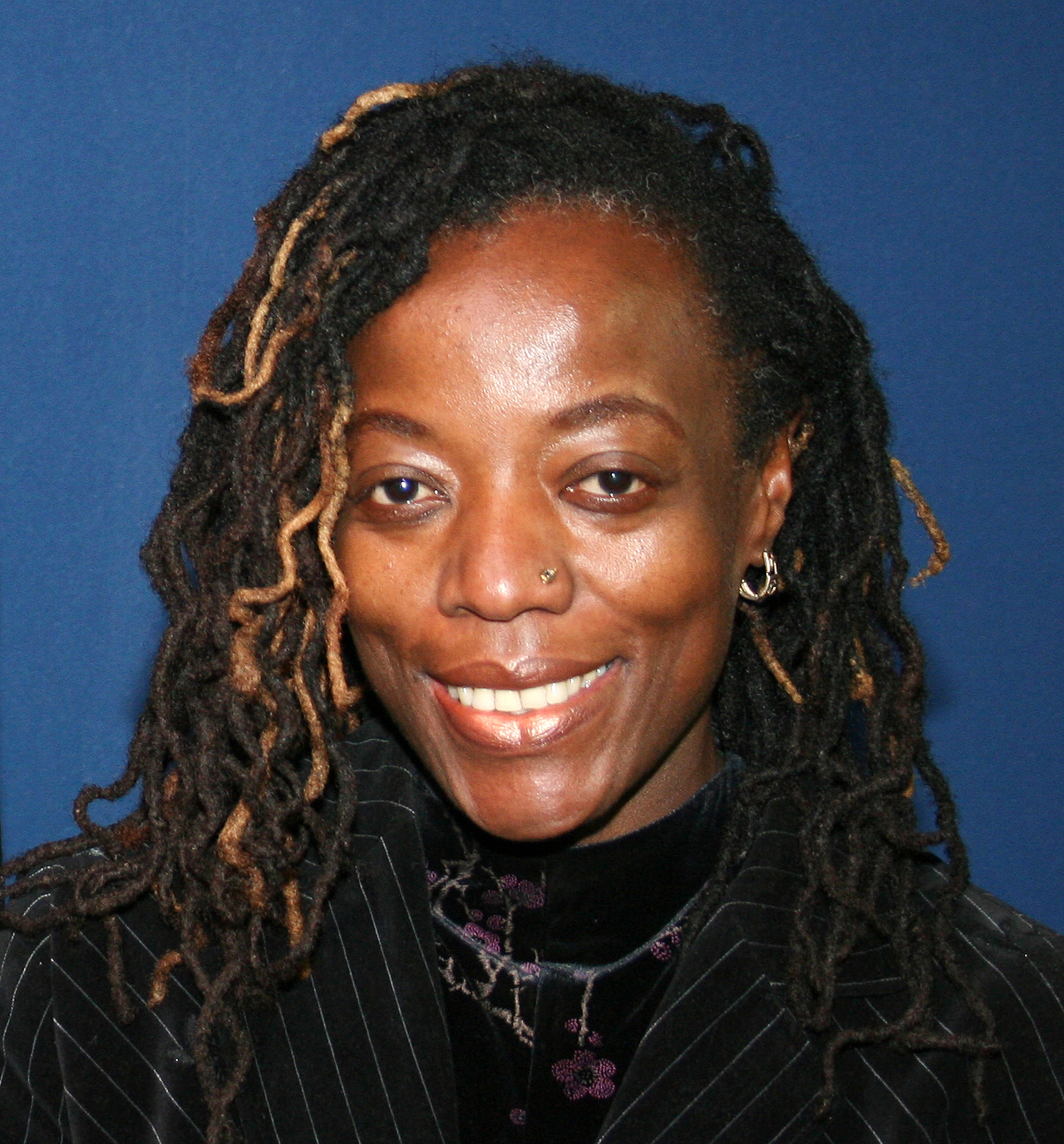
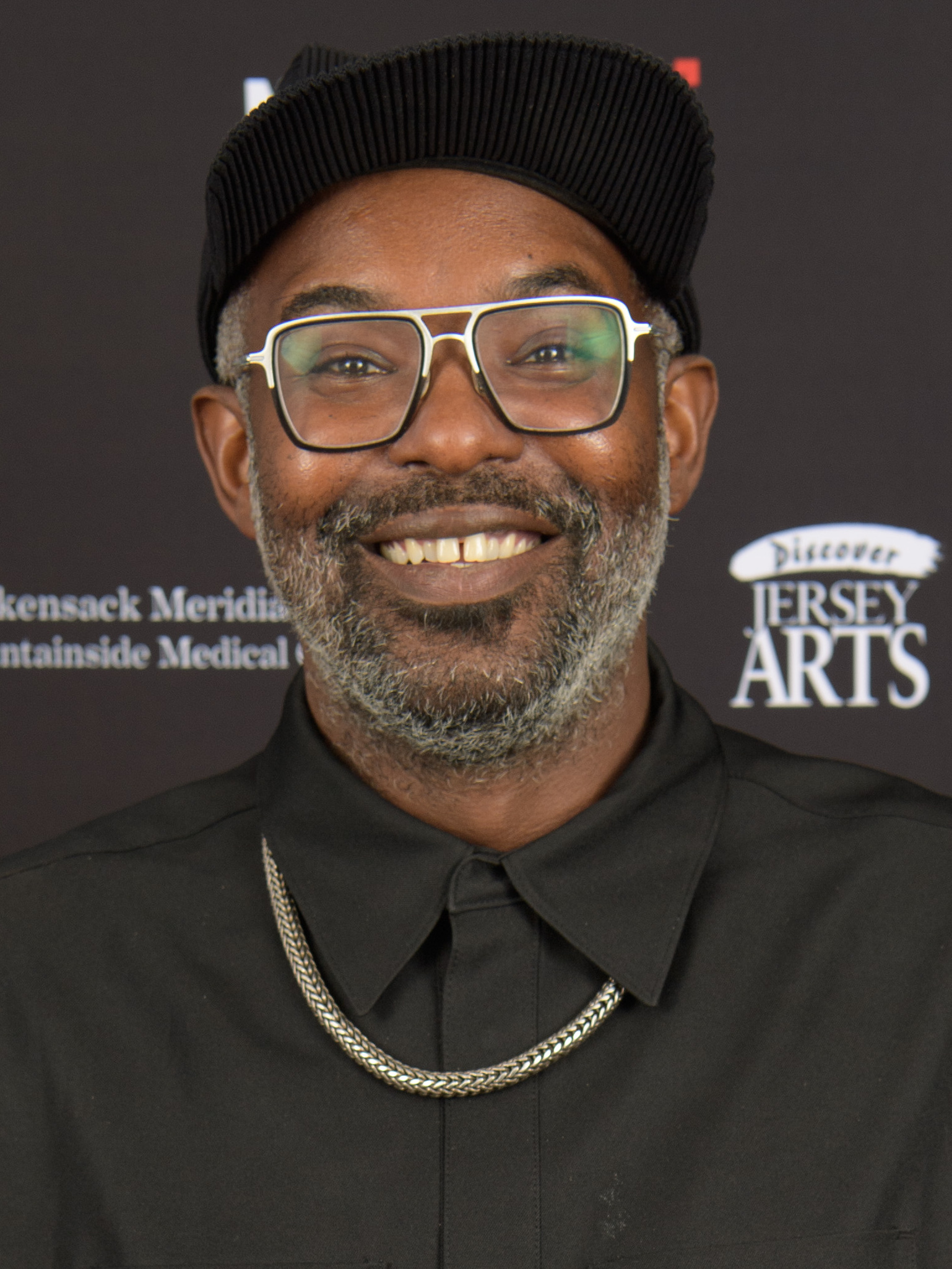
Theaster Gates has developed a practice since the early 2000s that combines ceramics, installation, music performance, and urban real estate development in Chicago’s South Side, purchasing and renovating abandoned buildings to create community cultural spaces, the Stony Island Arts Bank, the Rebuild Foundation, using the art market to generate capital for physical infrastructure in a disinvested Black neighborhood.
His practice refuses the separation between art object production and community material conditions. The art market has received his work at high commercial value; the sustainability of the community infrastructure he creates depends substantially on continued market interest, a dependency Gates has discussed as a structural constraint.
Theaster Gates established the Rebuild Foundation in Chicago’s South Side to rehabilitate abandoned buildings in the Grand Crossing neighborhood as cultural institutions - a library, a Black cinema archive, a record collection, a music venue - that function simultaneously as urban revitalization projects and as spatial arguments about Black cultural capital.
His rehabilitation of the Stony Island Arts Bank (2015), a former savings bank, to house a Black art and archive collection used existing Black spatial history - the building’s own presence in a Black neighborhood - as the material foundation of a new cultural institution. Gates’s practice crosses architecture, urban development, and contemporary art in ways that the disciplinary boundaries of architecture do not readily accommodate; its specific spatial argument, that Black neighborhoods contain cultural resources whose value architecture and urban planning have systematically overlooked, is an architectural-critical position stated through built practice.